Commercial Low Impact Development (LID)
When it rains, stormwater runs over impervious hard surfaces, picking up pollutants which are washed into storm drains that connect to our local waterways.
LID and Green Infrastructure can help by reducing stormwater runoff and remediating pollutants.
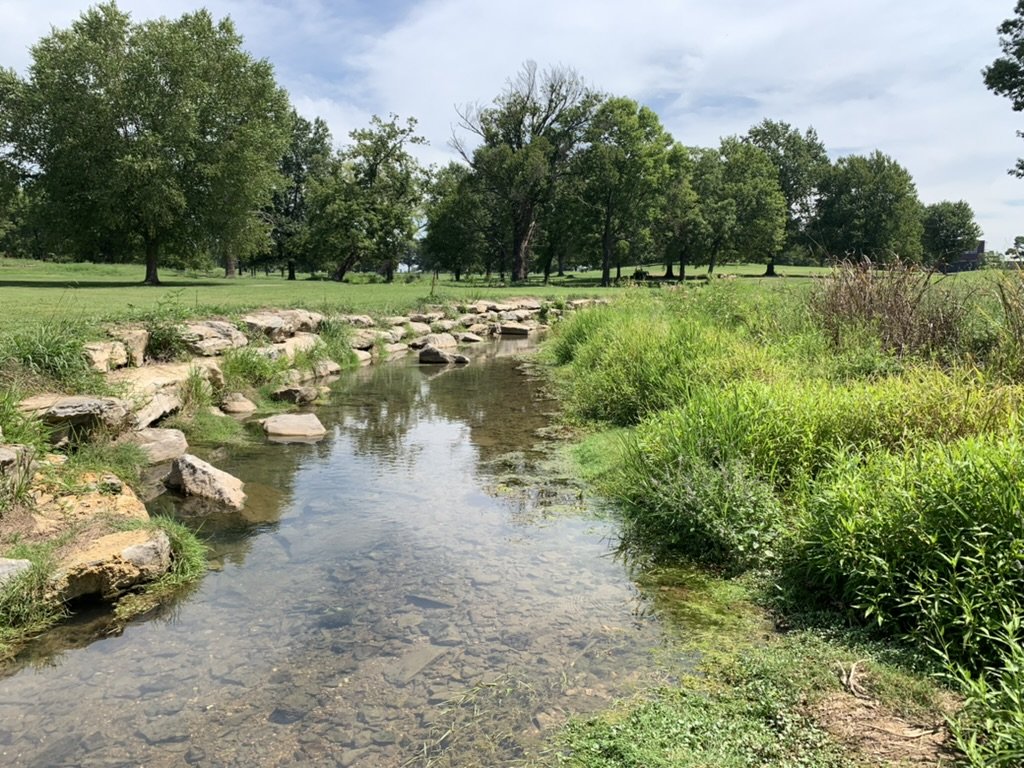
photo: Environmental Science & Engineering MagazineLearn More: Low Impact Development: A Design Manual for Urban Areas
Created by the University of Arkansas Community Design Center

Recommended Practices, A Summary
Think of stormwater facilities as a connected network, not isolated units. Link multiple capture and treatment features so water has more than one path, reducing the risk of overload. The best results come from hybrid systems that combine conventional engineering (pipes, inlets, basins) with ecological practices (soils, plants, infiltration).
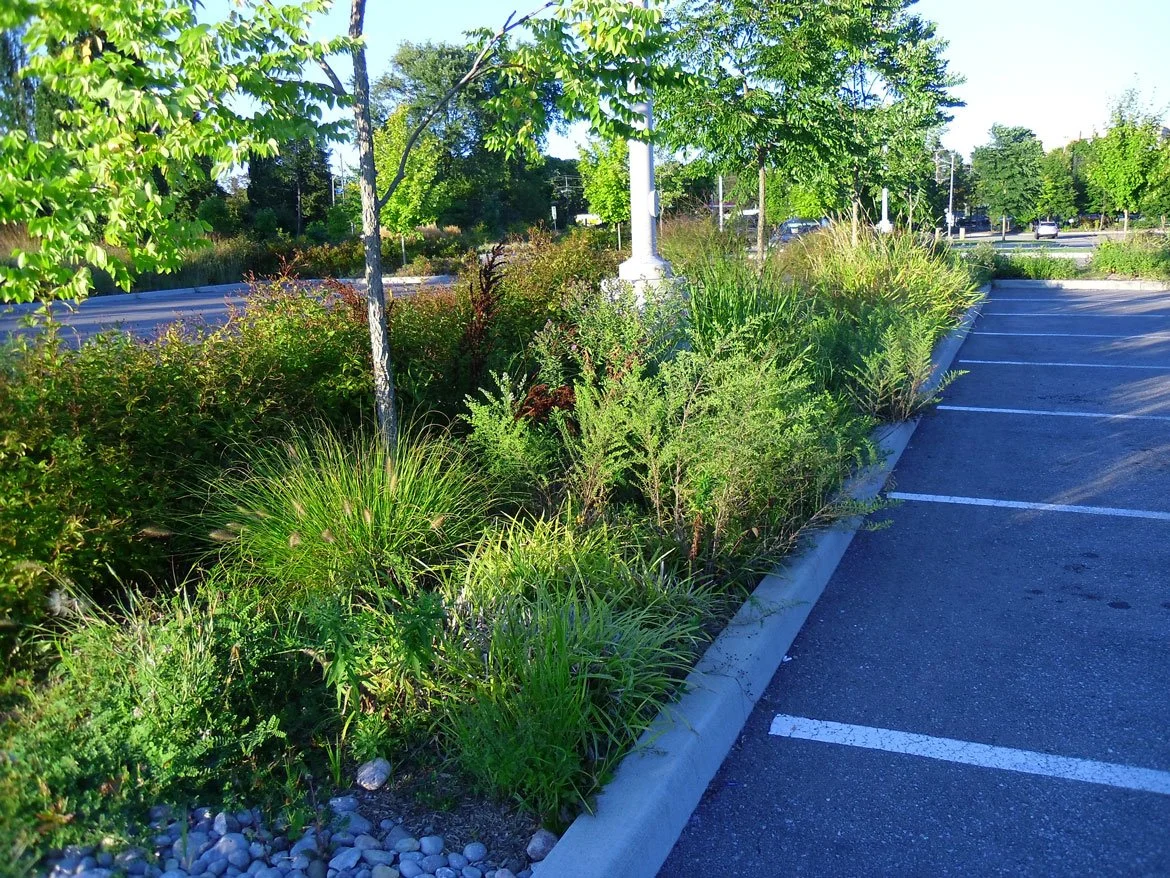
Improve parking lots, roads, and sidewalks with green bands, edges, and pixels of LID features. Upgrade hard surface materials to soak and filter stormwater. Some material alternatives are: Porous asphalt, pervious concrete, interlocking paver systems, alternative paving systems, gravel systems, grass, concrete, and turf pavers.
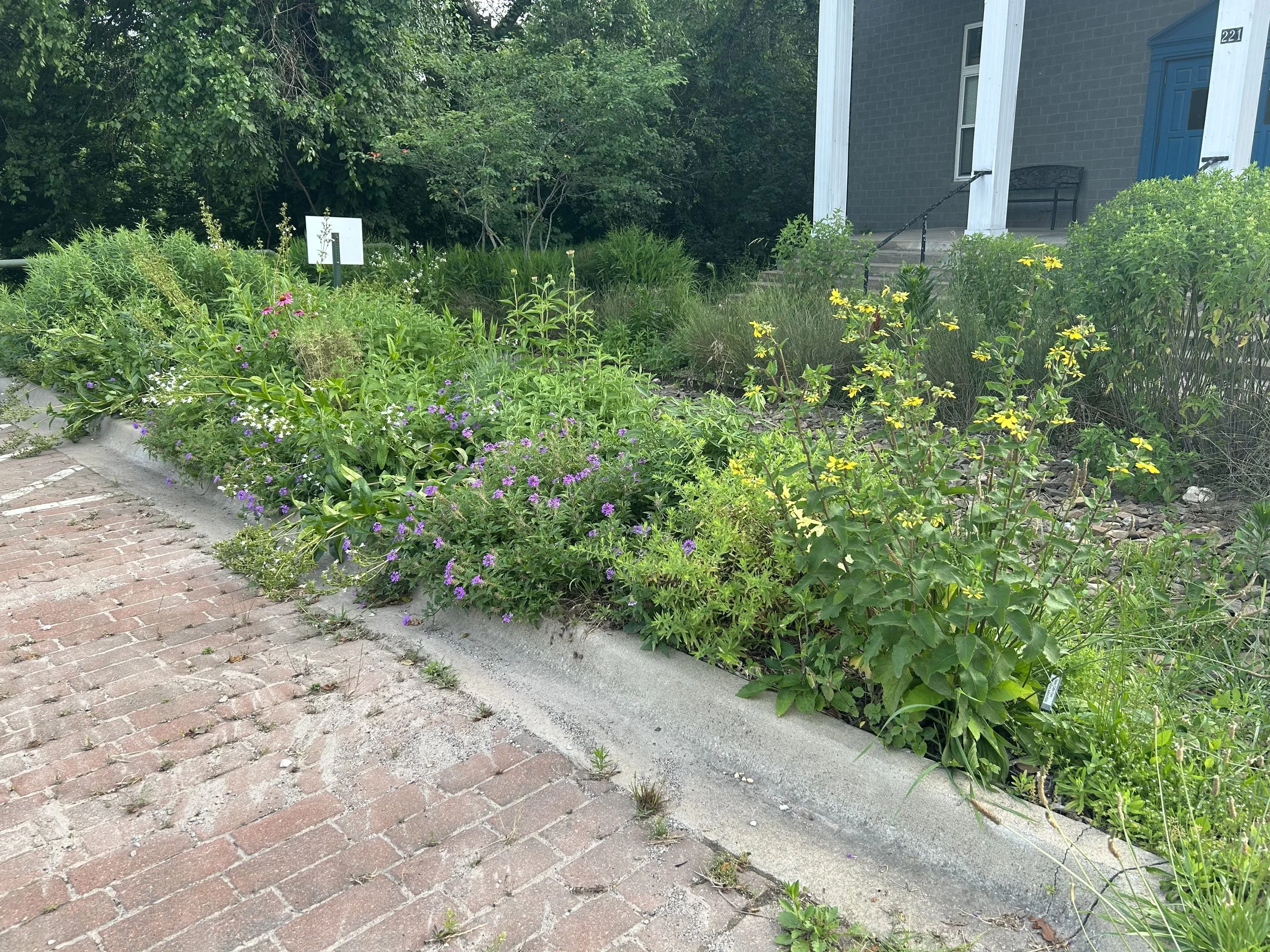
Rethink street design: consider features like curb cuts, flush curbs, bioswales, and rain gardens to replace pipe and pond facilities. Provide green buffers for street trees.
Urban green spaces should be comprehensively planned as a green network that maintains waterbody functioning and ecosystem connectivity through the use of designed parks, greenways, and self-organizing conservation areas.
Encourage conservation development. Every effort should be made to eliminate development in the floodplain and maintain a 100’ riparian (vegetated) buffer along stream edges, as well as to protect wetland features, prairie mounds, or other landmarks of cultural/historical/ecological interest.
Why should you adopt the Watershed Approach to development?
FOR LANDOWNERS
LID assets increase property value and protecting buildings from flooding
Reduces long-term maintenance burden by relying on resilient natural systems
Better landscape performance: reduced erosion, healthier soils, and aesthetic beauty
FOR MUNICIPALITIES
Reduces peak flows and the risk of disastrous storm events
Extends infrastructure life and lowers operations & maintenance costs
Synergizes with other priorities including traffic calming, climate resilience, and economic development.
“Compact residential development conserves 30-80 percent of a site’s buildable land as permanent, undivided open space. While lots in conventional neighborhoods may be large, their natural landscapes are usually replaced by industrial lawns that diminish ecological functioning. Despite their low densities, sprawling subdivisions ruin viewsheds that initially attracted property investors to the site. Conservation design allows for the same number of homes as a conventional development, with greater savings in infrastructure costs due to shorter street lengths. Increased density and shared open space, as numerous studies have shown, also offer spacial unity and ecological integrity while creating premium market value.”
— Low Impact Development: A Design Manual pg 130
Green Infrastructure Cost Share Program at IRWP
The Green Infrastructure Program is a cost-share program. IRWP can fund up to 50% of all project costs. Landowners can generate match through in-kind labor, equipment, cash, or other grant dollars.
Contact us about Commercial Low Impact Development.
contact@irwp.org
(479) 203-7084
221 S Main St. / P.O. Box 205
Cave Springs, AR 72718
Overview of Commercial Low Impact Development
Low Impact Development (LID) Stormwater Doesn't have to be a Headache
Green Solutions to Stormwater Runoff
Green Stormwater Infrastructure / Low-Impact Development Toolbox of Solutions
Permeable Surfaces
Impermeable surfaces such as asphalt of parking lots and concrete sidewalks create runoff, which picks up pollutants and pours into our stormwater drainage systems. By reducing the amount of impermeable surfaces in our cities, we reduce the amount of polluted runoff that enters our rivers. You will find that permeable solutions are cost-effective and can even increase the longevity of those areas.
Rain Gardens and Bioswales
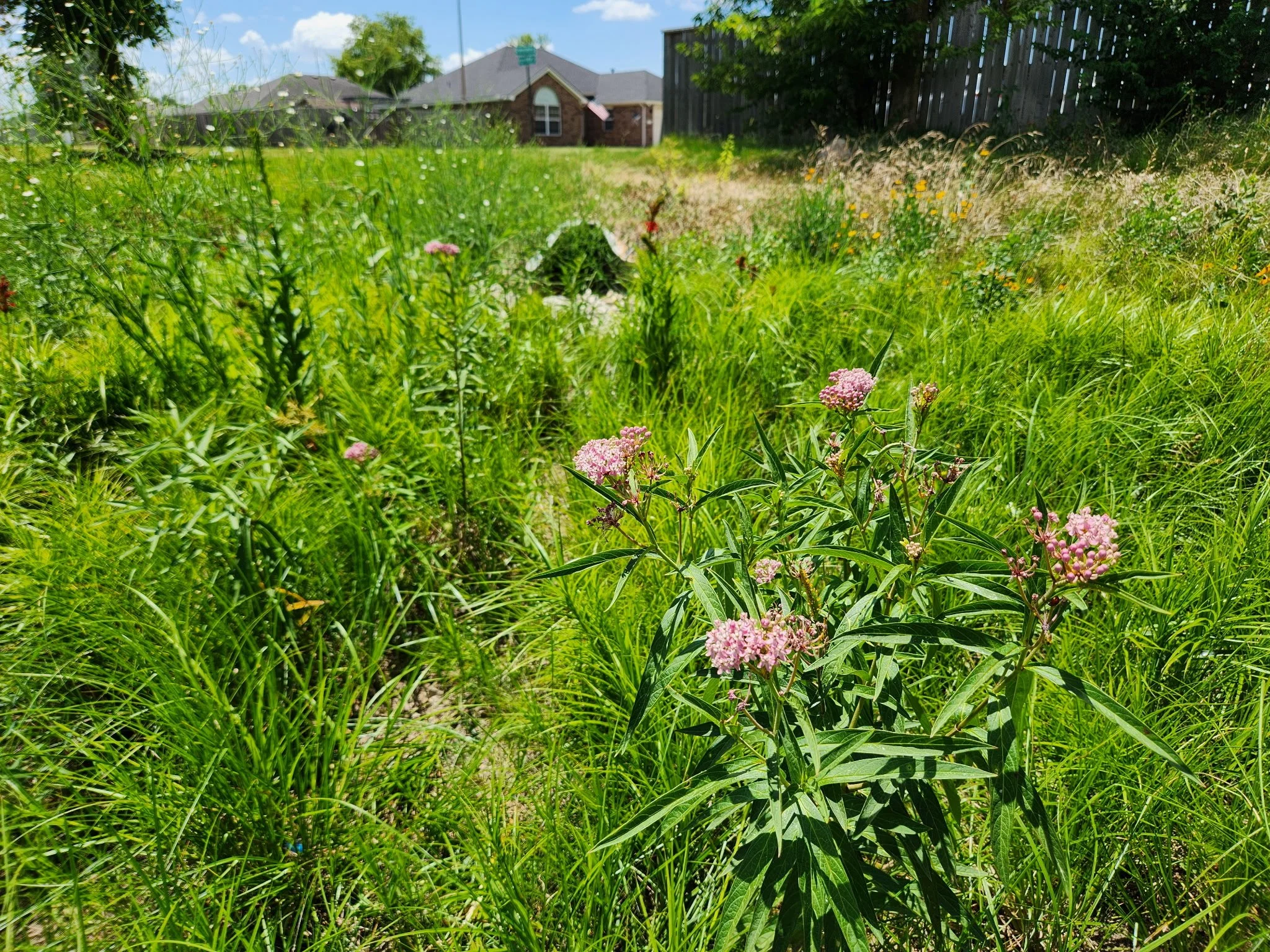
Rain gardens and bioswales are vegetated areas created to catch stormwater runoff. By allowing the runoff to soak into the ground rather than running into the drainage system, more pollutants are filtered out. Rain gardens and bioswales are attractive additions that promote plant, insect, and wildlife habitation.
Low Impact Development - Rain Gardens
Low Impact Development - Bioswales
Using Native Plants to Improve Stormwater Quality in Urban and Suburban Landscapes
Green Roofs
Vegetated roofs are also called "green roofs". These are designed to-- you guessed it, soak up rainwater! Working as a great insulator, a green roof is a great option for commercial buildings and residences alike. Green roofs are also used to grow food in urban areas.
Green Infrastructure & Low Impact Development
Read more here
Green infrastructure supports sustainable communities. Low Impact Development (LID) is an approach to land development (or re-development) that works with nature to manage stormwater as close to its source as possible. LID employs principles such as preserving and recreating natural landscape features, minimizing effective imperviousness to create functional and appealing site drainage that treat stormwater as a resource rather than a waste product.
Ozark Native Plants and Trees
Plant natives! Read why here: The Perfect Lawn (IRWP Stewardship Story)
NATIVE PLANT LISTS
Helpful lists for gardeners and landscapers in NW Arkansas, created by Wild Ones Ozark Chapter
Well Behaved Natives – Lissa Morrison
Native Plants for Shade – Lissa Morrison
Native Plants that Colonize — Lissa Morrison
Native Plants for Dry, Shallow, Rocky Soil – Lissa Morrison
Ornamental Native Grasses for Landscape Design — Lissa Morrison
Lists from other organizations
Top Butterfly & Moth Host Plants for Northwest Arkansas — National Wildlife Federation
Top Host Plants for Butterflies and Moths – Prairie Nursery
Riparian Tree and Shrub List – Beaver Watershed Alliance
Deer Resistant Native Plants – Shaw Nature Preserve
Deer Resistant Native Plants – Missouri Botanical Garden
Audubon Native Plants Database (with information on bird species attracted to each native plant listed)
Ozark Native Plants for Phytoremediation— Eric Fuselier
Ozark Native Plant Species for Phytotoremediation of Air Pollutants
Ozark Native Plant Species for Phytotoremediation of Petroleum
Ozark Native Plant Species for Phytotoremediation of Pesticides
Ozark Native Plant Species for Phytotoremediation of Chlorinated Solvents
Ozark Native Plant Species for Phytotoremediation of Heavy Metals
“HOW TO” RESOURCES
Rain Garden Fact Sheet – Beaver Watershed Alliance
Rain Garden Information – University of Arkansas Extension
Wildflower Site Preparation – Prairie Moon Nursery
How to Grow a Prairie from Seed – Prairie Moon Nursery
INFORMATION ON INVASIVE PLANT SPECIES
Commercially Available Invasive Plants in NW Arkansas – Arkansas Native Plant Society
Invasive Plant Species Found in Arkansas – Arkansas Natural Heritage Commission
Demonstration on Removing Bush Honeysuckle – Colin Massey from the University of Arkansas Agricultural Extension Office
ONLINE RESOURCES TO HELP WITH PLANT SELECTION
ONLINE RESOURCES FOR NATIVE PLANT INFORMATION
HORTICULTURAL PROFESSIONALS IN NORTHWEST ARKANSAS
Horticulture Professionals NWA (Provided by Ozark Wild Ones, uploaded May 2023)

Missed our 2021 NWA LID Conference?
No worries, you can find the presentations from the conference, educational documents, and other Northwest Arkansas LID information at irwp.org/nwalid2021.