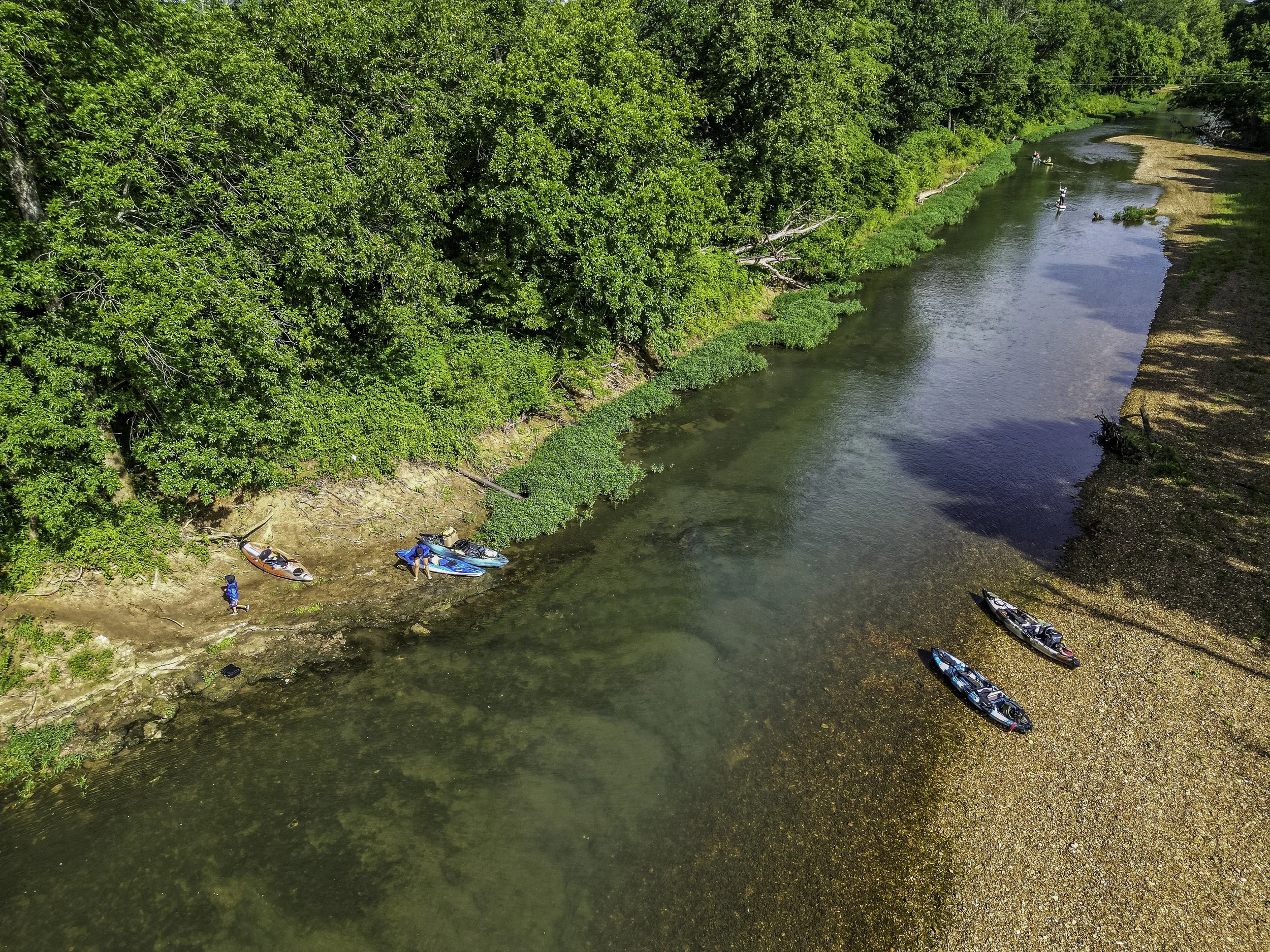
Water Quality Monitoring
of the Illinois River Watershed
At IRWP, we focus on key water quality challenges facing the Illinois River Watershed.
Impairments such as: Nitrogen, Phosphorus, E. Coli, Turbidity
Habitat such as: riparian buffer zones, substrate
Species of conservation concern

Studies of the Illinois River Watershed
2025 Ecological Assessment
2025 Arkansas-Oklahoma Arkansas Compact Commission Report
2024 Ecological Assessment
2022 Ecological Assessment
2021 Ecological Assessment
Streambank Erosion Assessment Study (2020)
Streambank Erosion Inventory Study (2017)
Ecological Assessment of the Illinois River Watershed - (2020)
Ecological Assessment Study of the Upper IRW - (2018-2019)
Upper Illinois River Watershed Management Plan (2024)
For further background reading on phosphorus standards in the Illinois River Watershed, review the Final Report to Governors from the Joint Study Committee and Scientific Professionals Summary of Recommendations from 2016.

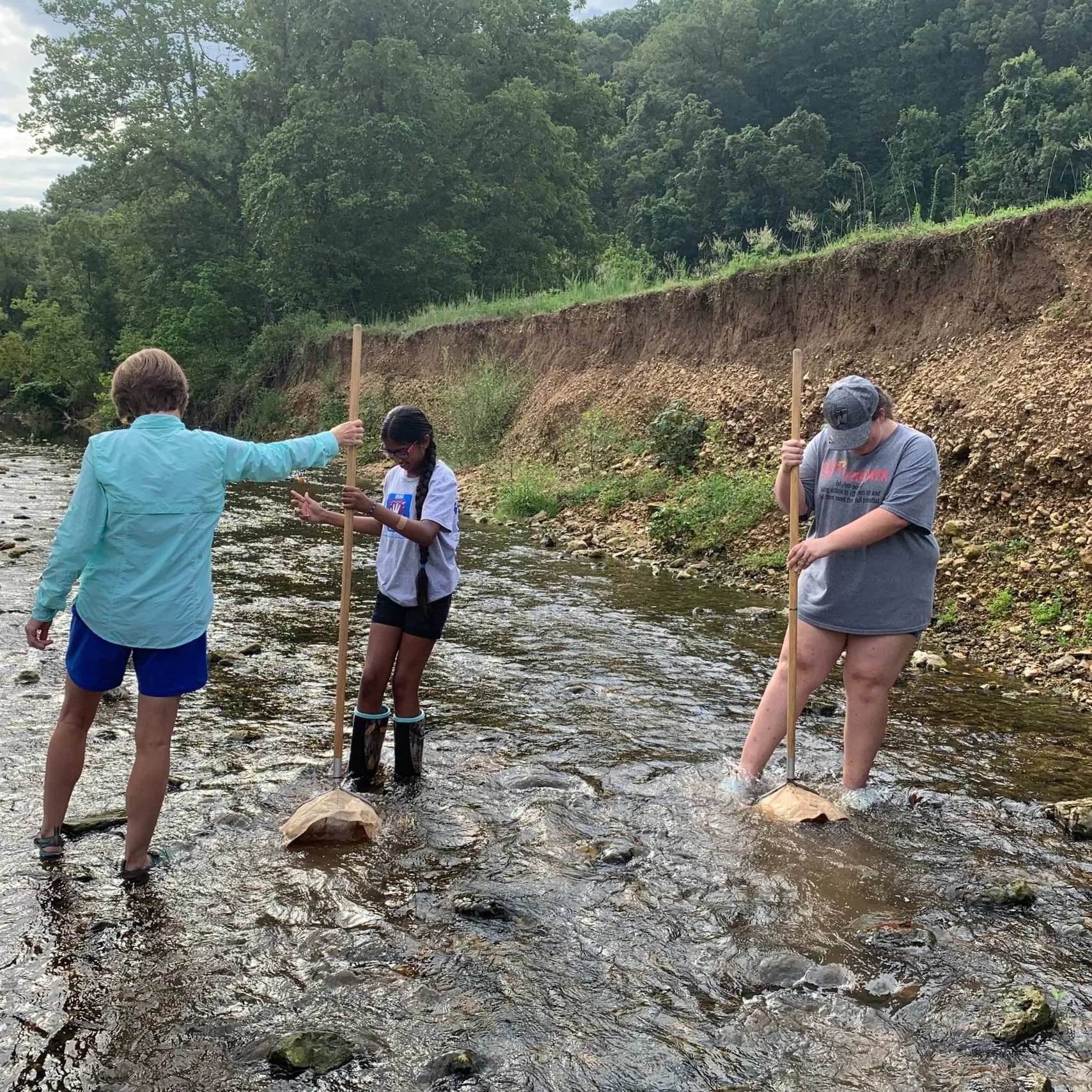
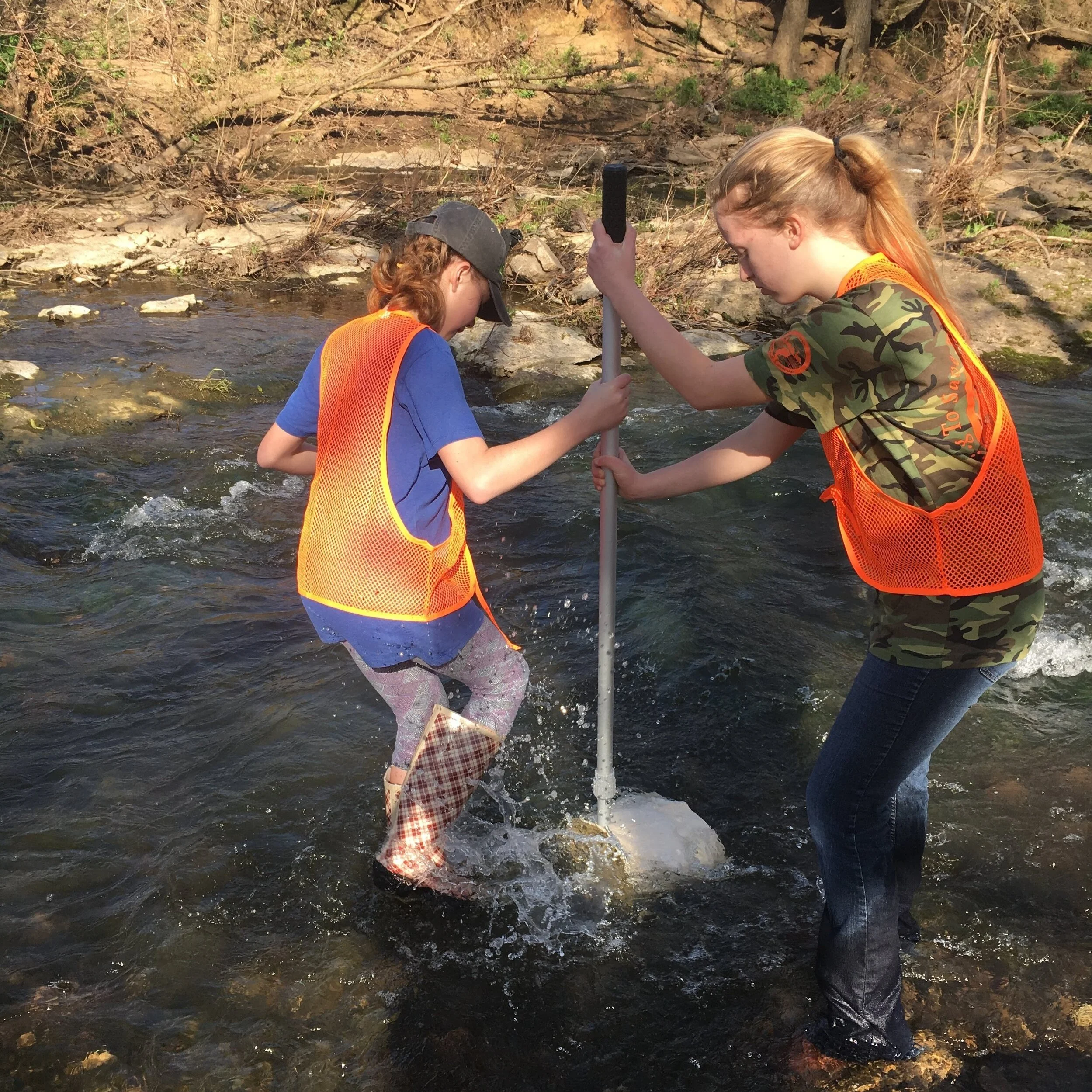
Volunteer Water Monitoring training in Oklahoma by Oklahoma Conservation Commission - Blue Thumb.

IRWP supporting the Division of Environmental Quality to conduct a fish survey on Flint Creek.
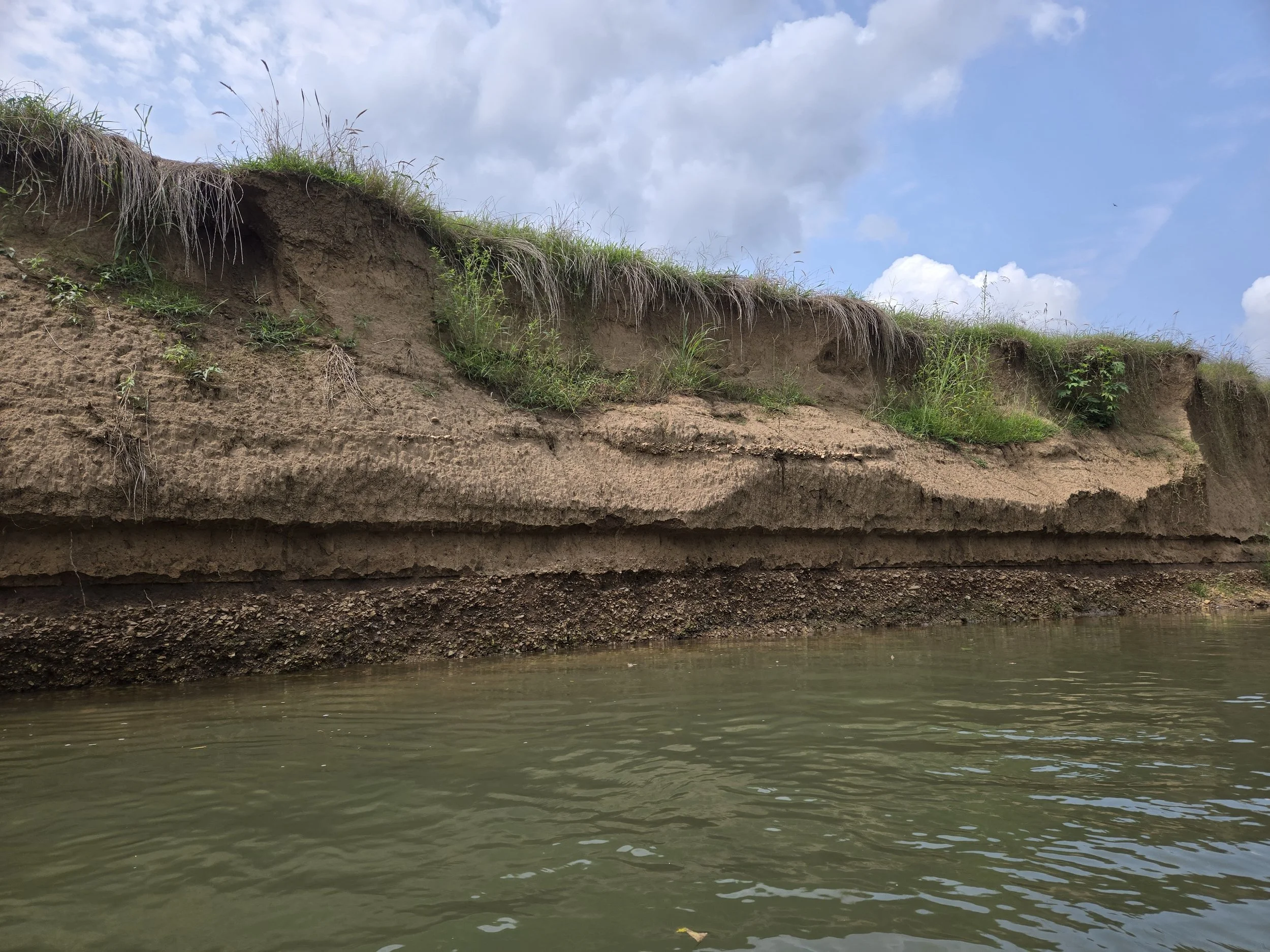
Streambank Erosion Inventory Study - 2020
Since 2017, IRWP has undertaken a "streambank erosion inventory" to understand the extent of streambank erosion along impaired reaches of the Illinois River and its tributaries. Using the BEHI modeling method, the study estimated erosion rates and quantities of sediment and phosphorus loading from 923 stream segments. Some key findings include:
Across the 45 mile study area, the upper watershed is experiencing an average erosion rate of 2.88 feet per year.
Erosion is projected to contribute 102,822 tons of sediment and 154,233 lbs of phosphorus annually into the watershed.
This represents approximately 54% of Total Phosphorus loading in the Upper Watershed.
To put the phosphorus loading number into perspective, the four largest wastewater treatment facilities in the watershed cumulatively load just over 24,000 pounds of phosphorus per year. This result indicates that streambank erosion presents one our greatest challenges in lowering phosphorus concentrations in the watershed.

A stonefly, which are among the most sensitive taxa of benthic macroinvertebrates. Their presence indicates good water quality.
Fish Species found in the Illinois River Watershed
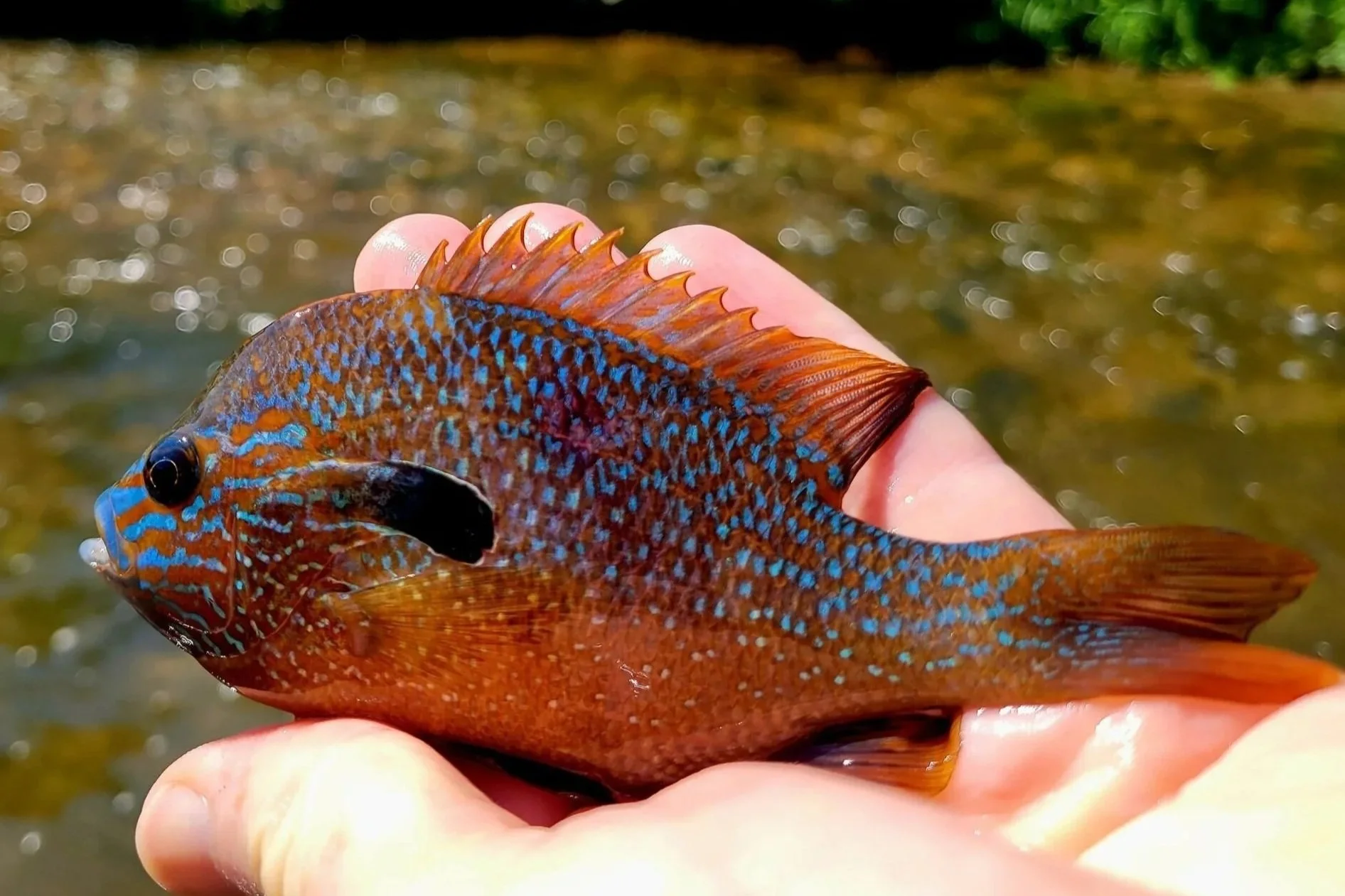
Longear sunfish (Lepomis megalotis) are a common native fresh-water fish to the Illinois River Watershed and a popular sport-fishing species.
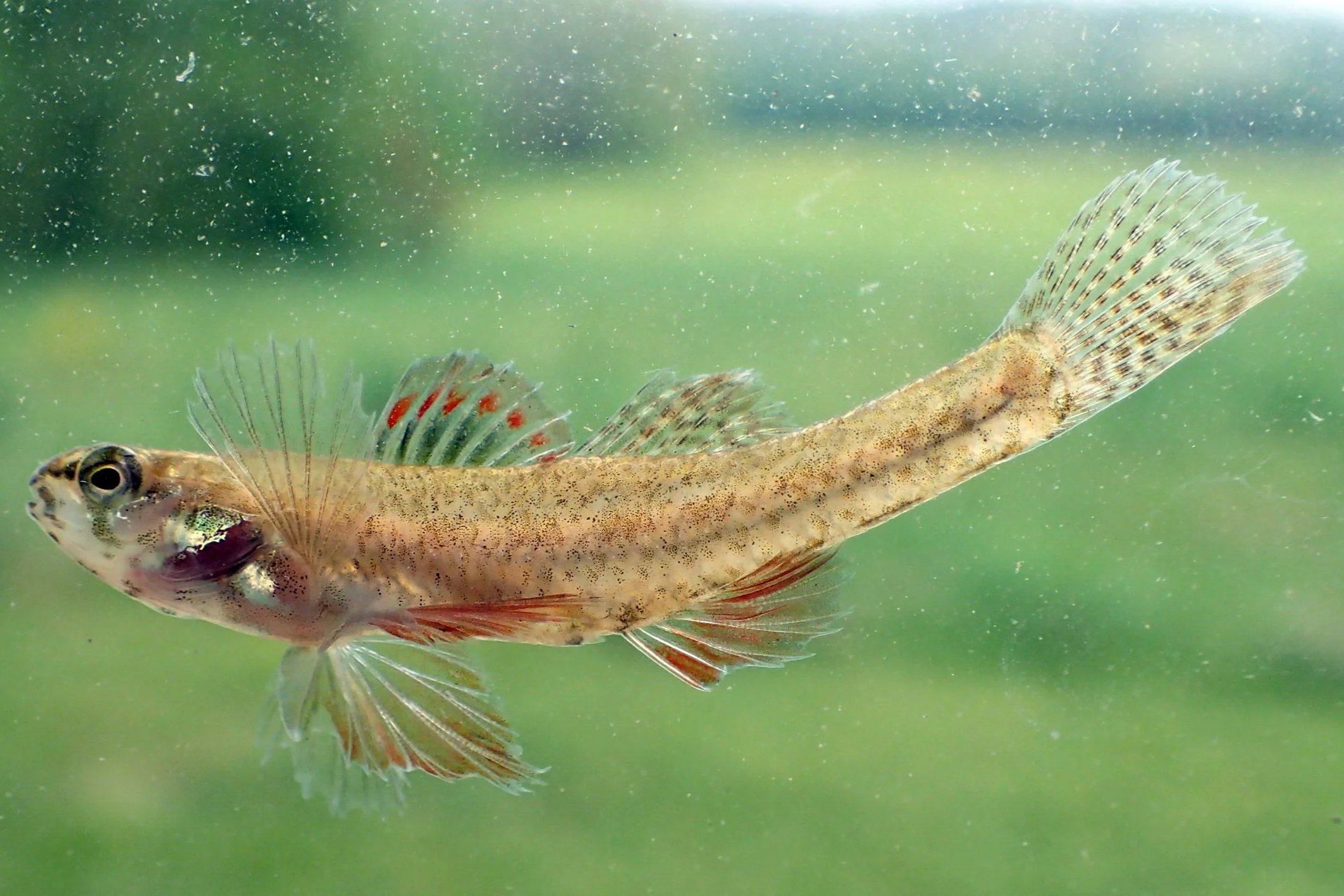
Photo credit to Arkansas Natural Heritage Commission
Least Darter (Etheostoma microperca) is the smallest freshwater fish in Arkansas. These little guys have very limited distribution and are designated as a species of greatest conservation need by the Arkansas Game and Fish Commission.
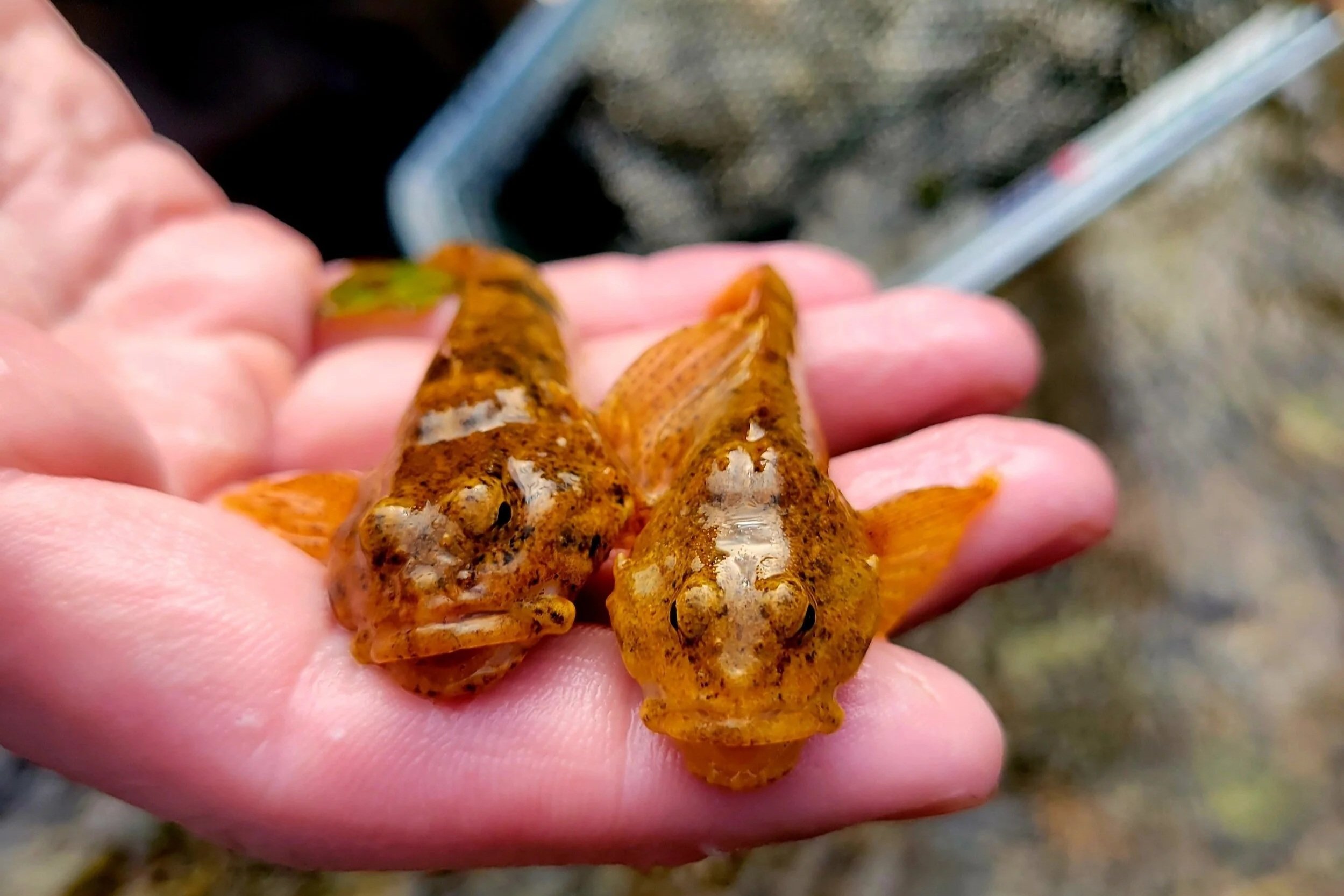
Banded sculpin (Cottus carolinae) can change their pigmentation rapidly to blend in with their surroundings, and require cold, clean, highly oxygenated water.

VOLUNTEER WATER QUALITY MONITORING |
VOLUNTEER WATER QUALITY MONITORING |
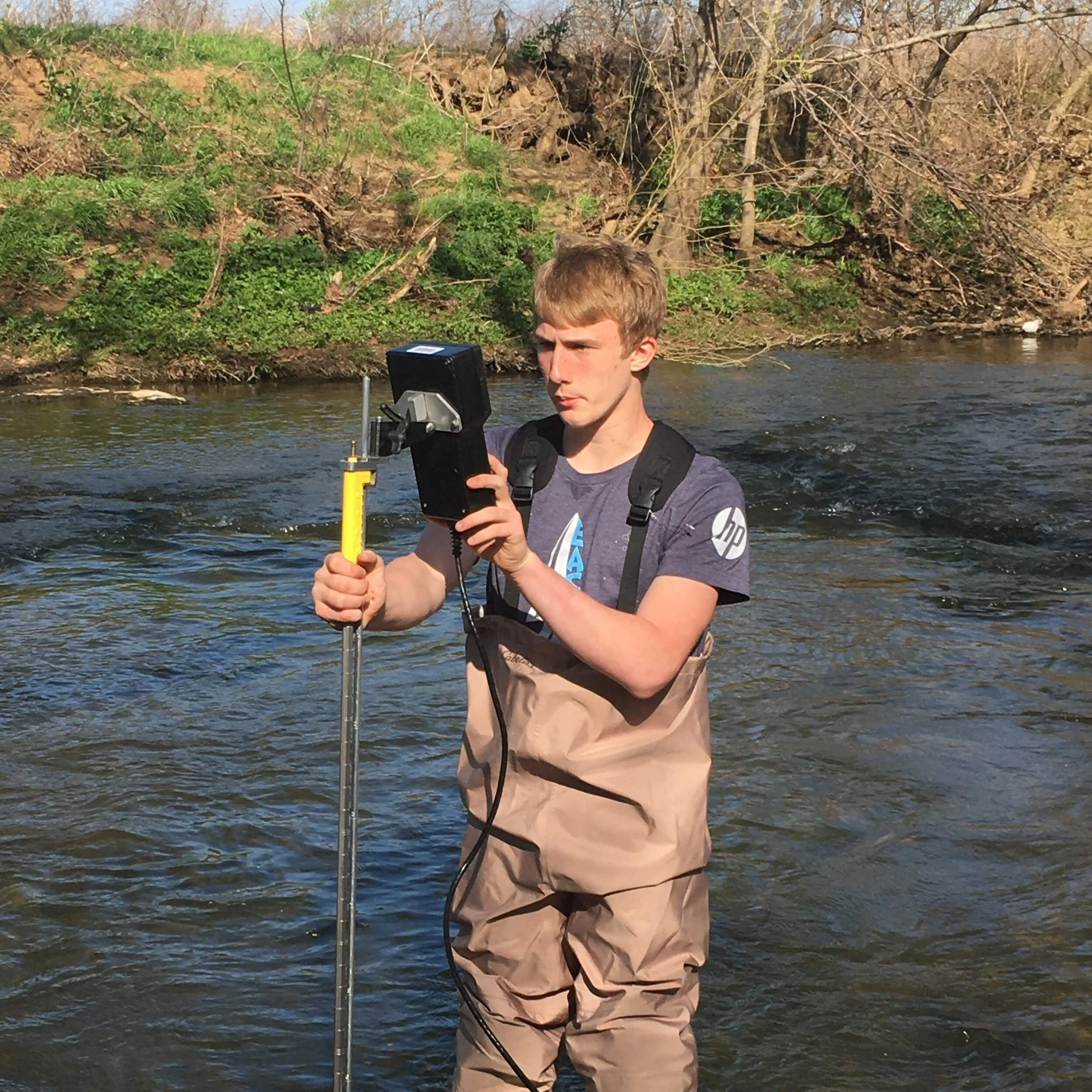
Our Volunteer Water Monitoring Program engages citizen scientists to become part of our Ecological Assessments.
Oklahoma waterways are monitored in odd-numbered years (ex. 2025) and Arkansas waterways are monitored in even-numbered years (ex. 2026). Both monitoring efforts need volunteers each year!
For any questions, email the program manager Suzanne Murphy at suzanne@irwp.org
DO YOU WANT TO BE IN ON THE ACTION?
WE WANT YOU THERE TOO.
Additional Water Quality Monitoring Resources
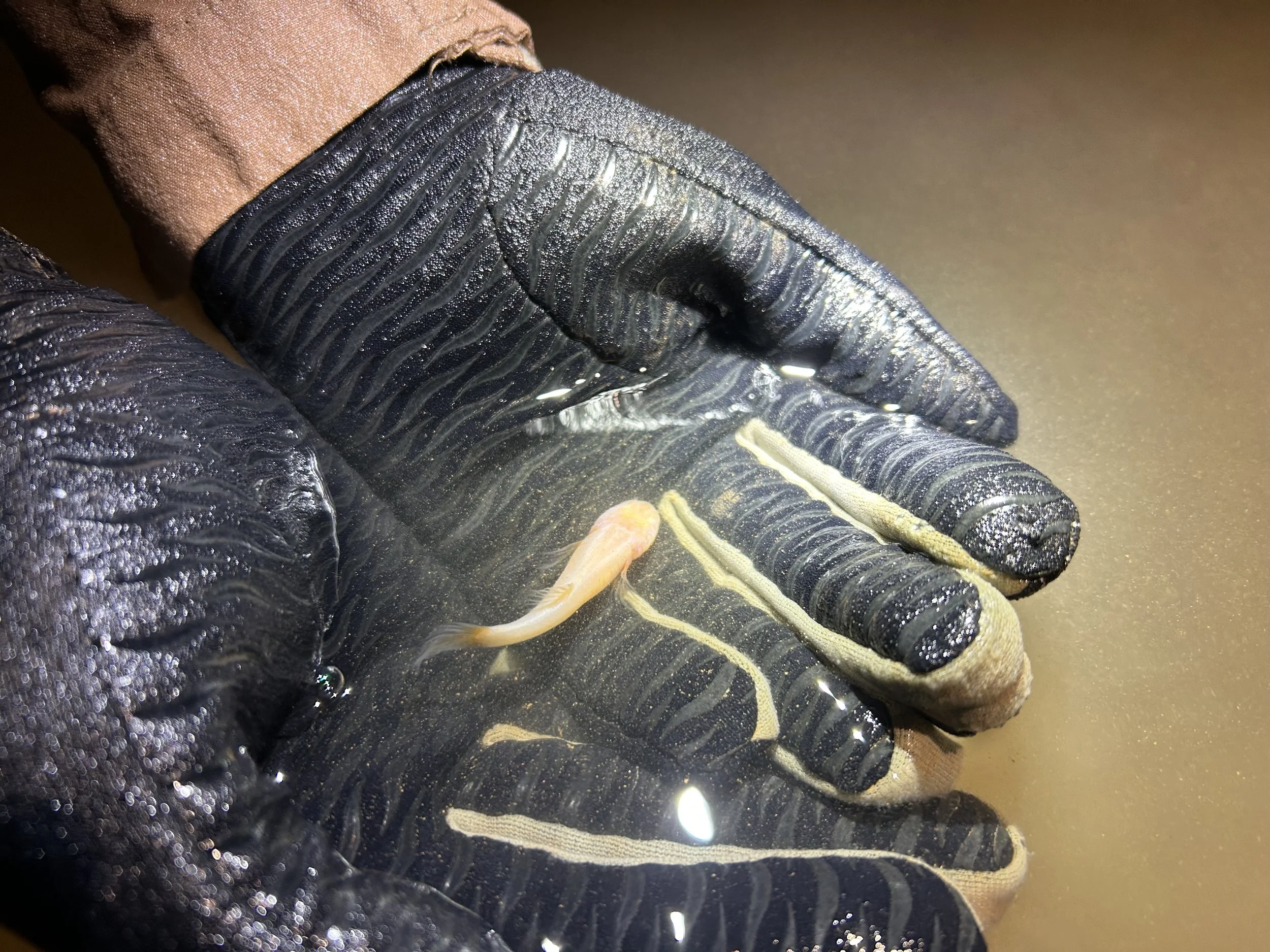
Ozark Cavefish from Cave Springs Cave Fish Survey