Qualifies as an Elective Workshop
Effective conservation depends on more than good science— it depends on connecting with people in ways that inspire action. This interactive workshop combines conservation communications strategy with hands-on workshopping to strengthen participants’ communication, outreach, and public engagement skills to further conservation and restoration efforts.
Participants will explore some psychology of communication and behavior change, examining the research behind what motivates people to act and how to craft messages that move audiences from awareness to long-term stewardship. Through practical exercises, participants will learn to identify and research target audiences, frame messages for landowners, elected officials, funders, volunteers, students, and the general public, and develop compelling elevator pitches and audience-specific calls to action.
The course will cover storytelling techniques that create emotional connections while remaining scientifically accurate, as well as strategies for communicating about complex or controversial conservation topics in ways that build trust and productive dialogue. Participants will also learn principles of accessible, inclusive communication, plain language, and communicating effectively with audiences of varying levels of scientific literacy.
In addition, the workshop will explore modern communications tools and strategies, including Search Engine Optimization (SEO) in the age of AI, responsible uses of artificial intelligence for marketing and media support, social media strategy, visual communication, media relations, and creating content that captures attention across digital platforms. Participants will gain practical skills in selecting effective imagery, developing graphics, writing press releases, preparing for media interviews, and creating communication plans with measurable goals, key messages, tactics, timelines, and evaluation metrics.
By the end of the course, participants will leave with a stronger understanding of strategic conservation communications and a practical toolkit they can immediately apply to outreach, education, fundraising, advocacy, partnership development, and community engagement.
Who Should Attend?
This course is designed for anyone who wants to become a more effective conservation communicator. Whether you’re sharing scientific information, promoting a program, building partnerships, or inspiring stewardship, the skills in this workshop will help you connect with your audience and motivate action.
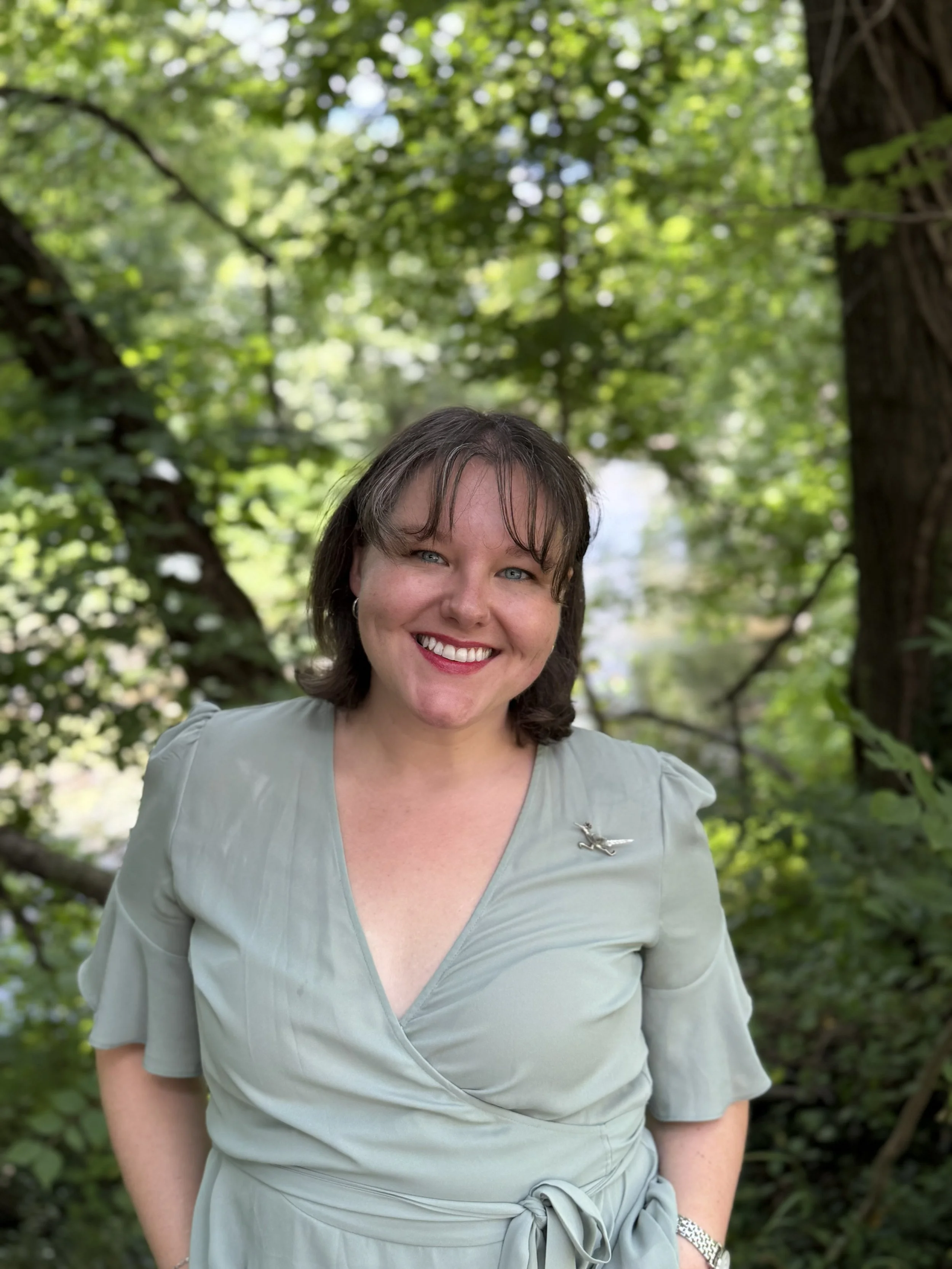
Morgan Keeling, IRWP’s Associate Director, will be leading this workshop.
This course is ideal for:
Conservation professionals, educators, and nonprofit staff
Natural resource agency employees and other professionals
Business owners and consultants working in, or interested in entering, the conservation and environmental industry
Communications, outreach, and marketing professionals supporting conservation initiatives
Community leaders, volunteers, and advocates
Anyone looking to strengthen their ability to communicate effectively one-on-one, with small groups, or through broad public outreach
What Will We Learn?
The Billboard Challenge: Communicating with Clarity
The Psychology of Conservation Communication
Understanding Audiences & Behavior Change
Storytelling for Conservation
Crafting Messages that Inspire Action
Modern Communication Tools
SEO in the Age of AI
AI for Communications
Social Media & Visual Communications
Branding & Media Relations
Building a Conservation Communications Campaign
Campaign Presentations & Peer Feedback
