Green Infrastructure
in your own backyard
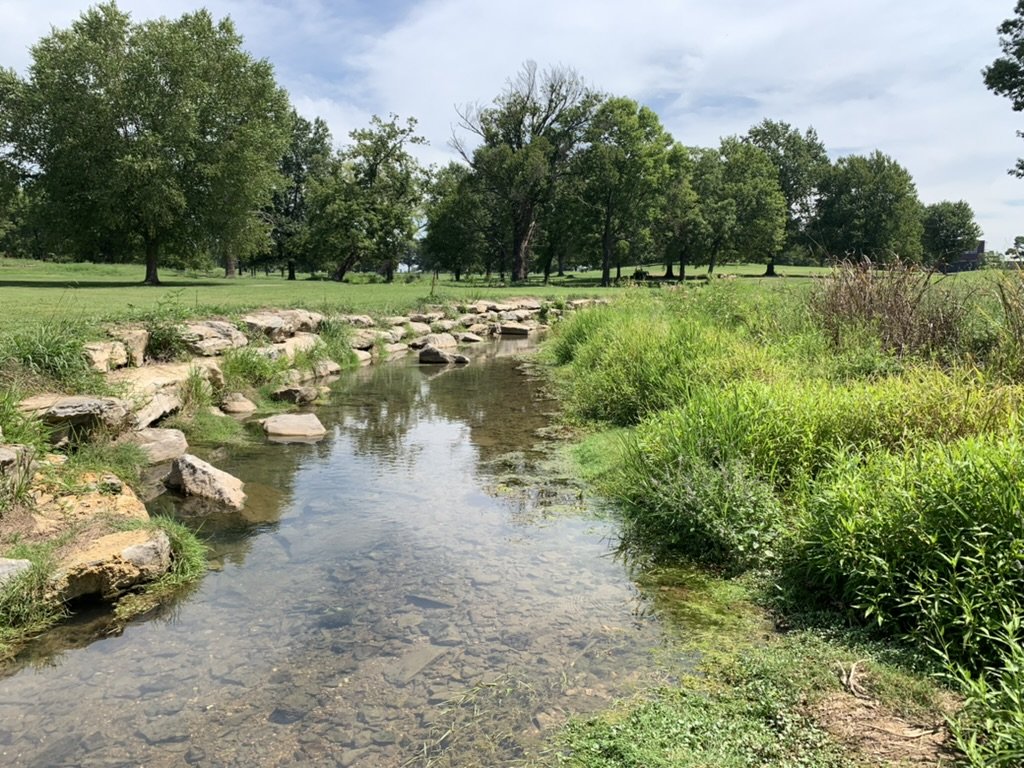
Green Infrastructure, sometimes referred to as Low Impact Development (LID), uses plants, soil, and trees to slow down, soak in, or reuse rainwater before it runs off into streets, storm drains, and creeks.
This page explains what green stormwater practices are allowed in your city, when permits may be needed, and where to find support.
When it rains, stormwater runs over impervious hard surfaces, picking up pollutants which are washed into storm drains that connect to our local waterways.
Green Infrastructure can help by reducing stormwater runoff and remediating pollutants.
HOW TO USE THIS SITE
1. Choose a project type
Discover which green stormwater practices are right for you2. Understand your city’s ordinances
Learn about the ordinances that apply to your property and projects3. Plan your project steps
Get connected with technical support resources that will help your project succeedChoose a Green Infrastructure Project
Learn Your City’s Rules
Understanding your city’s requirements and support for green infrastructure implementation is critical before starting your project. We’ve demystified that code so you can get to work with confidence.
| Practice | Status | What to know |
|---|---|---|
| Rain Gardens + Bioswales | ✓Allowed | What to know: Rain gardens are specifically listed as an approved stormwater runoff mitigation practice. Bioswales or drainage swales should be reviewed if they change grading, redirect runoff, or connect to public drainage. |
| Permeable Surfaces | ✓Allowed | Driveways, patios, parking areas, or other hard-surface changes may need review, especially if they change runoff volume or direction. |
| Rain Barrels + Cisterns | ✓Allowed | Larger cisterns or plumbing connections may require city review. Make sure overflow is directed safely away from foundations and neighboring properties. |
| Native Plants | ✓Allowed | Native planting is generally allowed as landscaping and works well with rain gardens, terraced landscape, and other LID practices. Check visibility, right-of-way, easement, and maintenance requirements. |
When should I check with the city?
- Changes how stormwater flows on your lot, especially if it is redirected toward a neighbor's property. Examples include adding a patio, driveway, retaining wall, swale, rain garden, or other drainage feature. Start with a Permit Application for project review.
- Adds or changes paving or other hard surface. Examples include concrete, asphalt, pavers, rooftops, or expansions.
- Involves grading or disturbing a large amount of earth..
- Touches a creek or floodplain - check the Floodplain Management page and the city's GIS flood maps if your property may be near a floodplain.
Helpful city links
- Stormwater Management - The city's stormwater program page with links to stormwater regulations, drainage resources, and BMP resources.
- Bentonville Stormwater and Drainage Manual - Technical stormwater and drainage guidance for permitted construction.
- Permit Applications
- Residential Permit Applications
| Practice | Status | What to know |
|---|---|---|
| Rain Gardens + Bioswales | ✓Allowed | Rain gardens and bioretention are recognized Green Stormwater Practices. Projects tied to new impervious area, grading, building permits, or drainage changes may need GSP documentation, standard details, and an owner affidavit. |
| Permeable Surfaces | ✓Allowed | Fayetteville provides standard details for permeable pavers, permeable asphalt/concrete, and reinforced gravel. Driveways, patios, parking, or hard-surface expansions may require review. |
| Rain Barrels + Cisterns | ✓Allowed | Larger cisterns or plumbing connections may require city review. Make sure overflow is directed safely away from foundations and neighboring properties. |
| Native Plants | ✓Allowed | Extensive naturalized planting should be registered through a Naturalistic Landscape application to be exempted from mowing enforcement. |
When should I check with the city?
- Changes how water moves on your lot. Examples include: adding a patio, driveway, retaining wall, swale, rain garden, or other drainage feature.
- Adds more than 1,200 square feet of paving or other hard surface. Examples include: concrete, asphalt, pavers, rooftops, or expansions.
- Involves grading or disturbing a large amount of earth.
- Touches a creek, streamside area, or floodplain. Check the Floodplain Management page and City GIS Flood Maps if your property may be near a floodplain. Check the Streamside Protection page if you are near a creek.
Helpful city links
- Development Services - Permits and project review.
- Stormwater Utility Program
- Drainage Criteria Manual
- Floodplain Management
- Naturalistic Landscape Guidance
| Practice | Status | What to know |
|---|---|---|
| Rain Gardens + Bioswales | ✓Allowed | Rain gardens, bioswales, and other stormwater features may be appropriate, but check with the city if the project changes drainage, grading, stormwater flow, easements, or public infrastructure. |
| Permeable Surfaces | ✓Allowed | Driveways, patios, parking, or hard-surface expansions may require review. These systems must be maintained according to local engineering guidelines. Owners must submit an annual maintenance log + inspection report to the city. |
| Rain Barrels + Cisterns | ✓Allowed | Larger cisterns or plumbing connections may require city review. Make sure overflow is directed safely away from foundations and neighboring properties. |
| Native Plants | ✓Allowed | Check visibility, right-of-way, easement, and maintenance requirements. |
When should I check with the city?
- Changes how stormwater flows on your lot, especially if it is redirected toward a neighbor's property. Examples include adding a patio, driveway, retaining wall, swale, rain garden, or other drainage feature. Start with a Permit Application for project review.
- Adds or changes paving or other hard surface. Examples include concrete, asphalt, pavers, rooftops, or expansions.
- Involves grading or disturbing a large amount of earth.
- Touches a creek or floodplain - check the Floodplain page and the city's GIS flood maps if your property may be near a floodplain.
Helpful city links
- Rogers Stormwater
- City of Rogers Drainage Criteria Manual - Low Impact Development (LID) support is found in Chapter 9, Sections 4-5.
- City code - Rogers Unified Development Cofde, Article 7 - Drainage Criteria Manual
- Planning and Permitting Portal
- City of Rogers Permeable Paver System Annual Inspection and Maintenance Log
| Practice | Status | What to know |
|---|---|---|
| Rain Gardens + Bioswales | ✓Allowed | Rain gardens or bioswales should be reviewed if they change grading, redirect runoff, or connect to public drainage. |
| Permeable Surfaces | ✓Allowed | Permeable surfaces should be reviewed when used for driveways, parking, commercial sites, subdivisions, or other hard-surface changes. Use the city’s Drainage Manual and LID Design Guide for technical expectations. |
| Rain Barrels + Cisterns | ✓Allowed | Larger cisterns or plumbing connections may require city review. Make sure overflow is directed safely away from foundations and neighboring properties. |
| Native Plants | ✓Allowed | Springdale has Managed Natural Landscapes information and updated landscape/buffer goals that support ecological landscaping, erosion control, soil stabilization, canopy, and plant buffers. Native plantings should still be maintained and kept clear of sidewalks, streets, sightlines, utilities, and drainage features. |
When should I check with the city?
- Changes how stormwater flows on your lot, especially if it is redirected toward a neighbor's property. Examples include adding a patio, driveway, retaining wall, swale, rain garden, or other drainage feature. Start with Forms + Documents for permitting and project review.
- Adds or changes paving or other hard surface. Examples include concrete, asphalt, pavers, rooftops, or expansions.
- Involves grading or disturbing a large amount of earth.
- Touches a creek or floodplain - check the Floodplain Management page and the city'sGIS lflood maps if your property may be near a floodplain.
Helpful city links
- City of Springdale Stormwater Program
- Managed Natural Landscapes and Riparian Restoration Projects - Submit an application for extensive naturalized landscap
- City code - Chatper 106: Stormwater Drainage
- City of Springdale Low Impact Development Design Guide
Plan Your Next Steps
Choose a project type below to find step-by-step guidance, design resources, and next steps.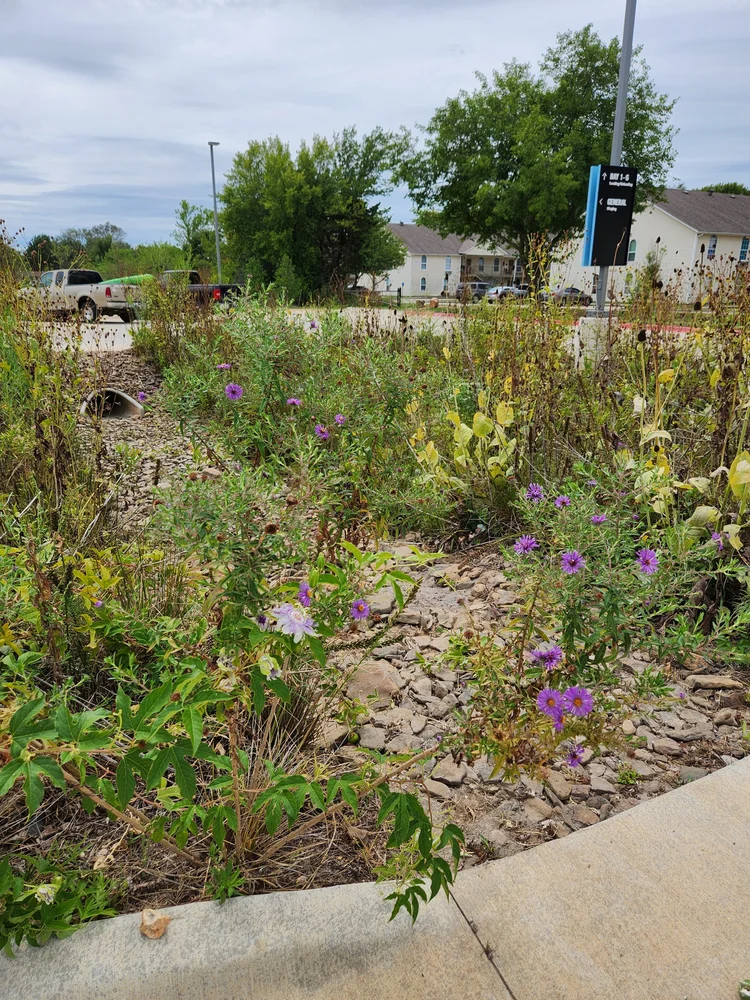
Rain Gardens + Bioswales
Capture and filter runoff with a planted depression or shallow channel.
Plan your garden site
Figure out where water comes from, where it can safely go, and how large the garden should be.
Shape and plant your garden
Build the basin, direct water into it, and choose plants for wet and dry zones.
Care for your garden
Water, weed, mulch, and maintain the inlet and overflow while plants establish.
Permeable Pavers
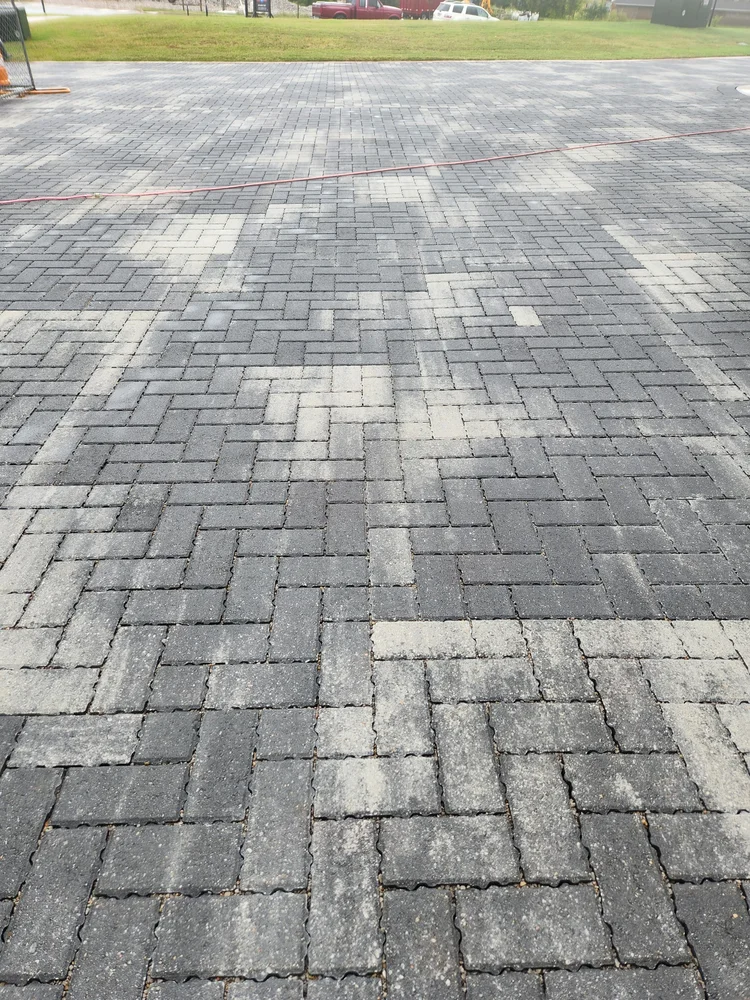
Let water soak through patios, paths, driveways, or parking areas instead of running off.
Choose the right location
Check slope, use, drainage patterns, and whether city review may be needed.
Plan installation or hire a professional
Install the base, bedding layer, edge restraint, and pavers to allow infiltration.
Maintain infiltration
Keep sediment out and clean the surface and joints to prevent clogging.

Rain Barrels + Cisterns
Collect roof runoff from gutters and store it for watering plants.
Choose your collection point
Pick a downspout, estimate roof drainage area, and plan a safe path for overflow.
Install safely
Use a stable base, screened inlet, overflow outlet, and hose or spigot connection.
Use and maintain your system
Drain before freezes, clean screens, prevent mosquitoes, and use stored water safely.
Native Plants + Trees
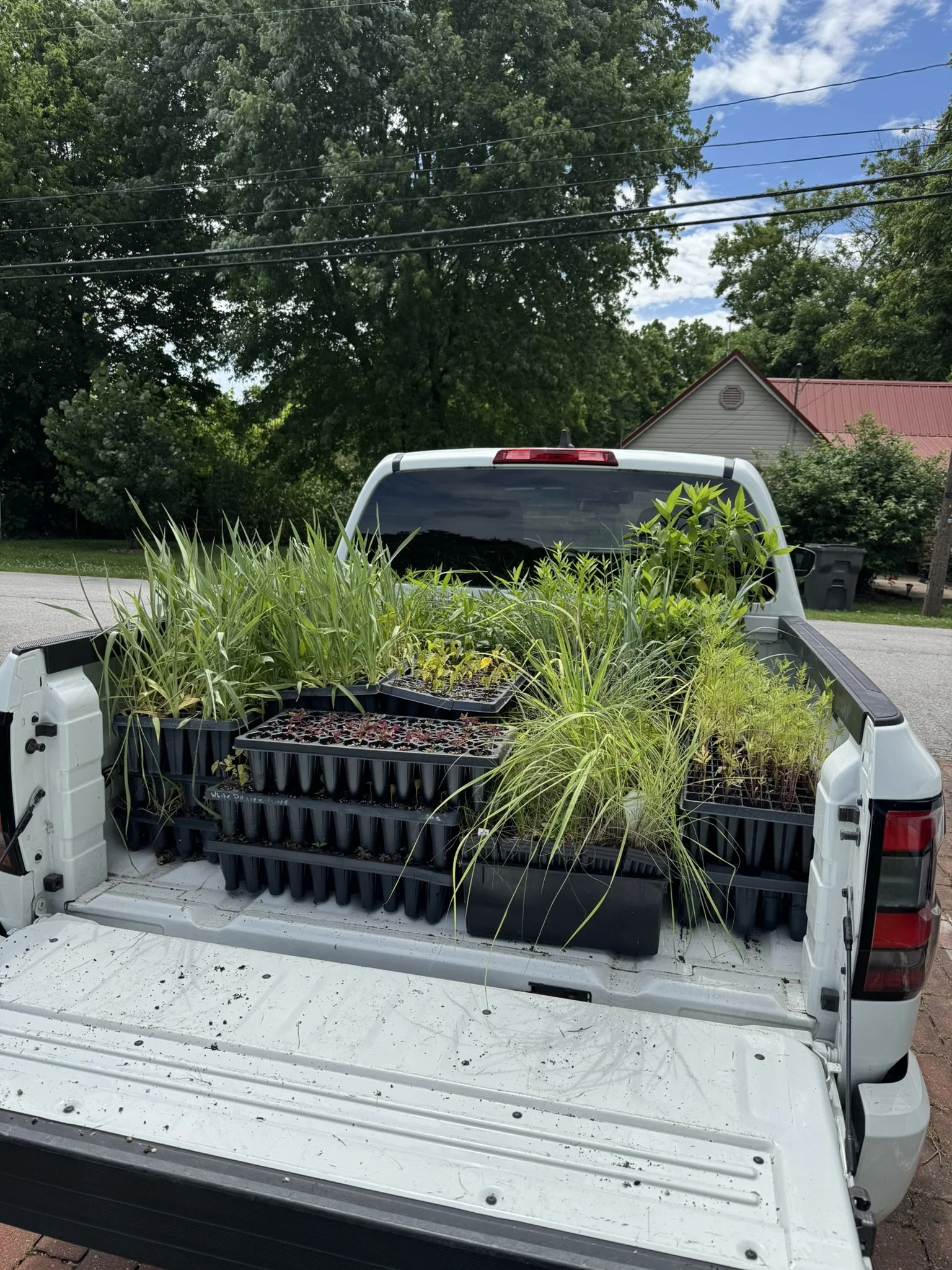
Replace turf or bare ground with deep-rooted plants that slow runoff and support habitat.
Match plants to the site
Look at sun, soil moisture, slope, visibility, and maintenance expectations.
Prepare and plant
Remove weeds or turf, plant at the right spacing, mulch lightly, and water during establishment.
Maintain
Weed, water, cut back, and replace failed plants during the first few seasons.