
Build a Career in Conservation and Restoration
Conservation Training Pilot Program 2026
This pilot helps professionals at all stages find a path into local water-quality work, building field skills and gaining experience to prepare for long-term employment in the conservation and restoration workforce.
Upcoming Trainings:
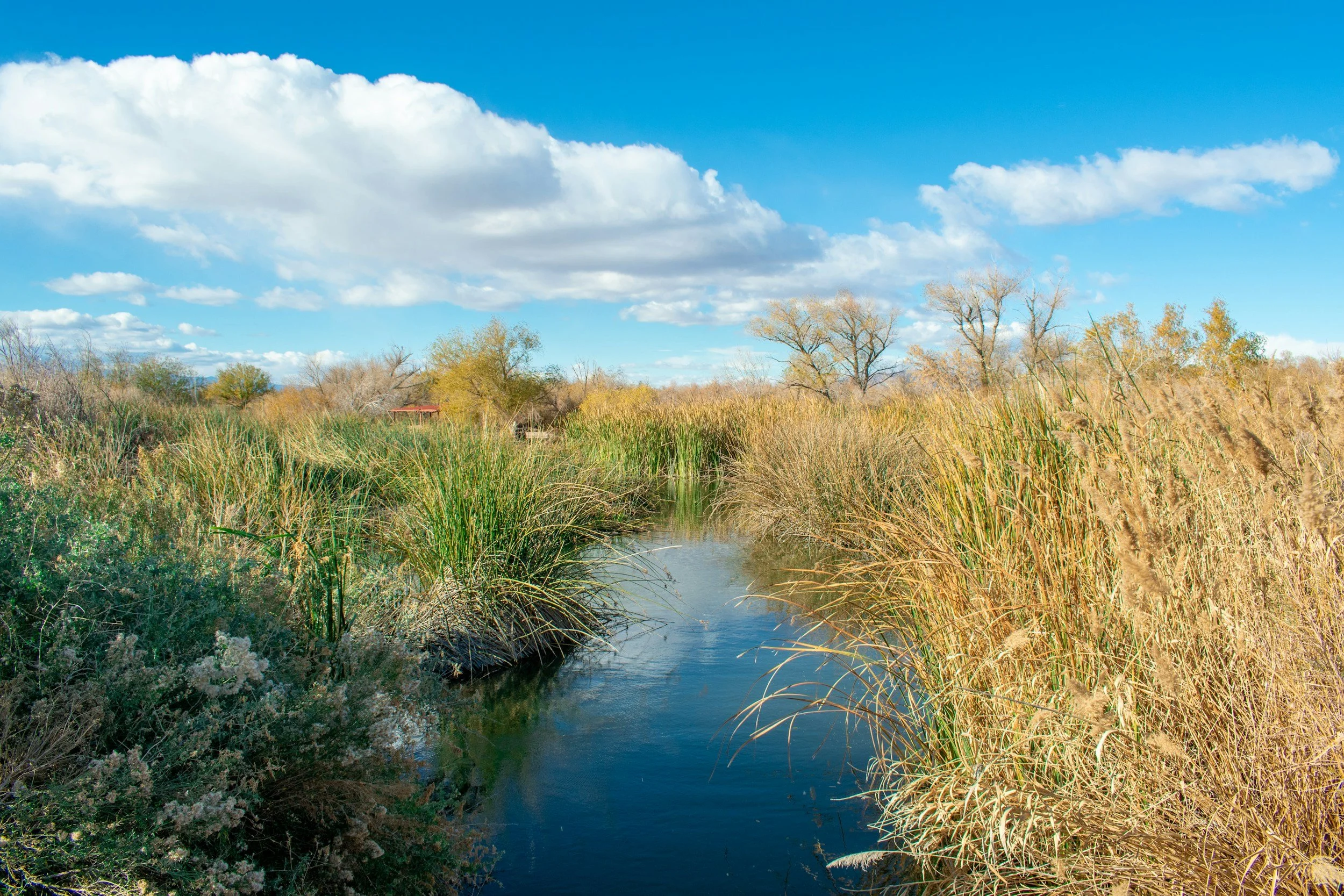
Putting projects in the ground is only the beginning; sustaining them for generations requires a trained, committed workforce.
Learn more about how these program areas were selected through the Survey Report.
For…
Students & Recent Grads exploring Conservation Careers
Early-career professionals building skills
Mid-career professionals seeking advancement
Employees and Employers in Land Management Industries looking to expand Ecological Service Offerings
Municipalities (Parks, Public Works, Volunteers) & Policymakers
What Topics are Covered?
Why Participate?
Trainings and classes for certification can include:
Botany & Plant Identification
Restoration Construction Management
Heavy Equipment Use & Safety
Chainsaw Use & Safety
Prescribed Fire as a Management Tool
Rain Garden Design
Transforming a Lawn to a Native Landscape
Native Plant ID and Invasive Species Management
Communications for Conservation
Wilderness Emergency Medical Training (including CPR and first aid)
Participants gain exposure to:
Local employers
Field sites and regional projects across different landscapes such as urban Green Infrastructure projects, naturalized detention ponds, prairies, wetlands, forests, riparian areas, and in waterways
Equipment and best management practices
Career pathways within conservation, restoration, green infrastructure, and watershed management, and related fields
Workforce Development Opportunities:
Workshops and Training Opportunities
Supported by the US Forest Service and Arkansas Department of Agriculture - Natural Resources Division, training courses are designed for learning, exploration, and practical skill-building. These classes offer a chance to deep dive into specific topics such as invasive species management, green infrastructure, stormwater practices, and native plants.
Choose courses that align with your professional development goals or personal interests. Trainings are intentionally less formal and flexible, making them a great fit for:
People testing the waters in conservation or natural resource careers
Professionals looking to build local or regional knowledge without pursuing certification
Recent college graduates being introduced to ecosystems, land management, and restoration field work
Professionals in adjacent fields (planning, engineering, landscaping, agriculture)
Elected officials or decision-makers seeking a deeper understanding of land and water management
Time Commitment?
Training courses help you grow your knowledge, confidence, and connections without any long term commitment. Sign up for classes as you can attend to build your skills!
Conservation Training Program
Led by regional stakeholders, these programs are designed for individuals who know they want to work in the conservation and restoration field and are ready to pursue a professional credential.
Participants work toward credentials, including:
Conservation Associate
Conservation Technician
Each level includes increasing requirements, building on skills, experience, and demonstrated competency. These programs are more structured and outcomes-driven than standalone trainings.
Signals readiness for professional conservation roles
Prepares participants for on-the-ground work in conservation and restoration
Stand out to employers
Get validated skills
Better job prospects & pay
Tap into a community of certified professionals
The Associate program is designed for anyone who wants to deep-dive into conservation topics, great for leaders and professionals. The Technician track is ideal for those committed to advancing a long-term career in natural resource management and builds on the Associate track.
You can sign up now!
Visit www.watershedconservation.org/get-involved/conservation-training-program/ to enroll.
Ready to Enroll?
Sign up for the Conservation Training Program on WCRC’s Website
Interested, but not ready to Enroll? Complete this form to be contacted about the program.
Partnerships that Make this Possible
The Conservation Training Program is being developed under the EPA CPRG Workforce Development Grant administered by MetroPlan and NWA Regional Planning Commission. Project Partners implementing the grant are: Watershed Conservation Resource Center (lead), Illinois River Watershed Partnership, Arkansas Advanced Energy Foundation, and Beaver Watershed Alliance.

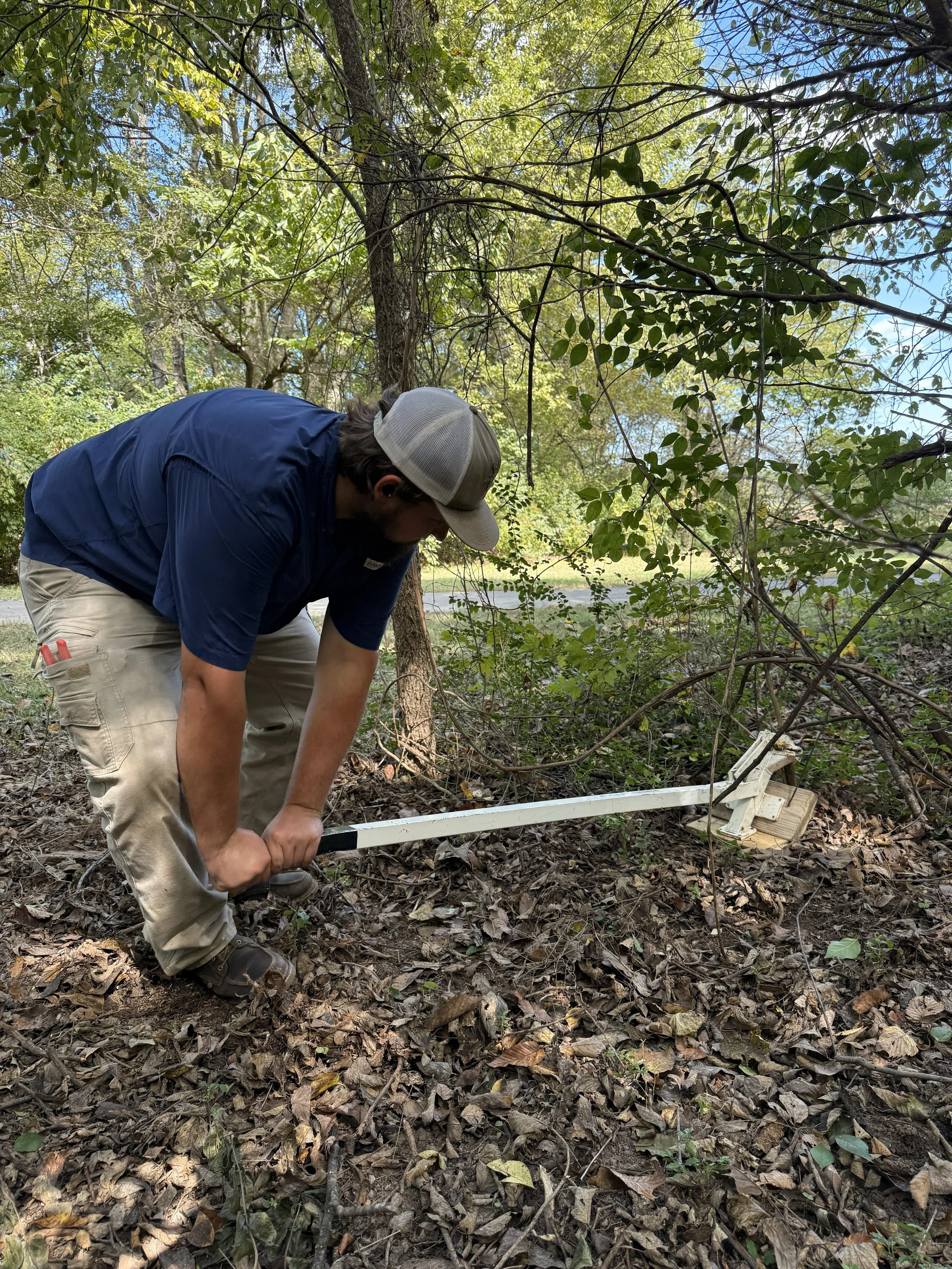
Tackling Invasive Plants and Revegetating with Natives
Courses on Invasive Plants are designed to help trainees identify native and invasive plants, determine the most effective removal methods and timing for invasive species, and develop management plans. Invasive removal training also emphasizes revegetation and long-term maintenance, because restoration is not a one-time effort.
Classes take learners into the field to deepen understanding of removal methods by, well… removing invasives— maybe even in your own neighborhood!
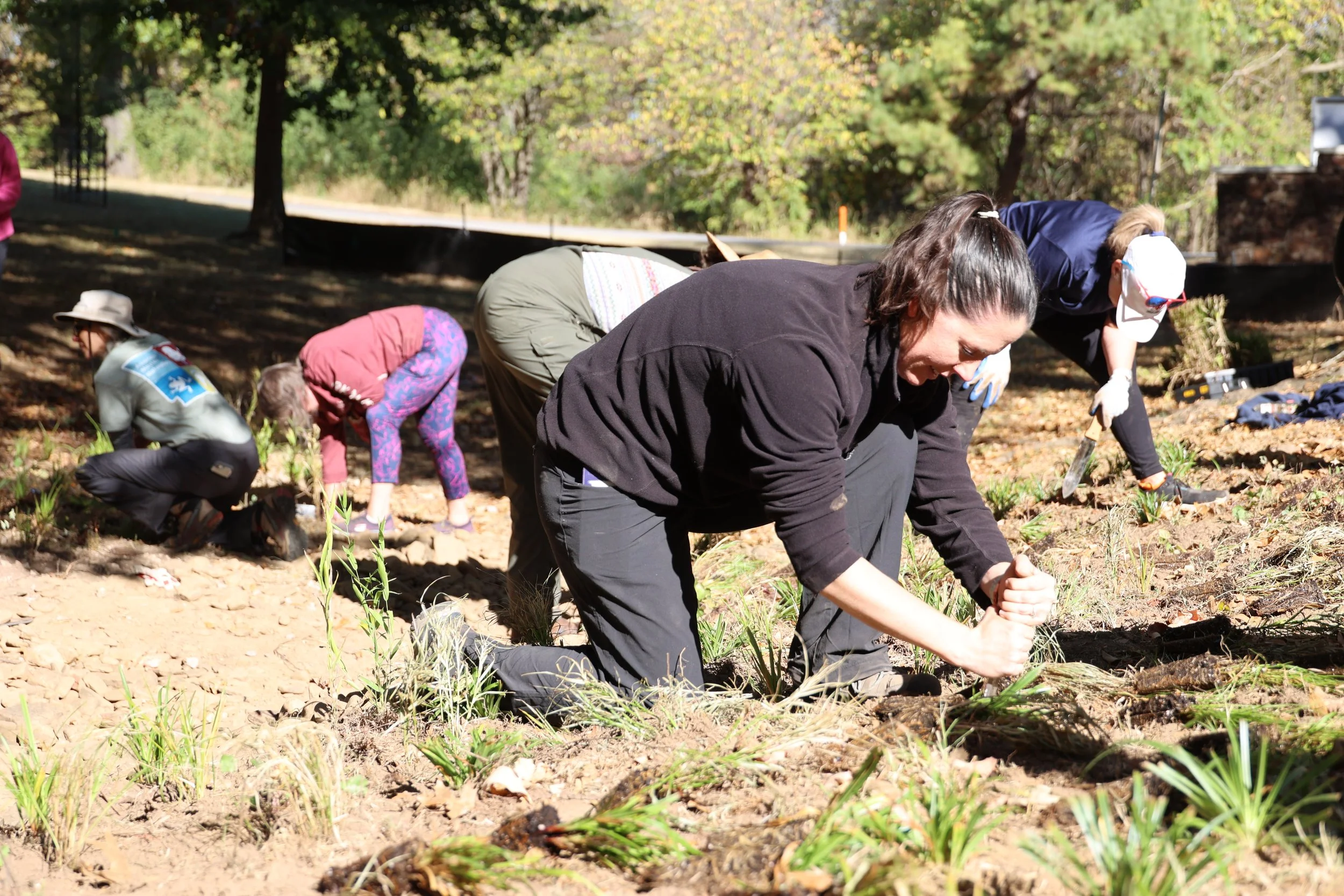
Become a Conservation Technician or Conservation Associate
The Climate Pollution Reduction Grants (CPRG) through the Inflation Reduction Act, together with NWA Regional Planning, Watershed Conservation Resource Center and Beaver Watershed Alliance, IRWP and other partners are developing a certification program to support installation, maintenance, and business expansion for ecological services.
Regional Training Partners: Watershed Conservation Resource Center, Beaver Watershed Alliance, NWA Regional Planning
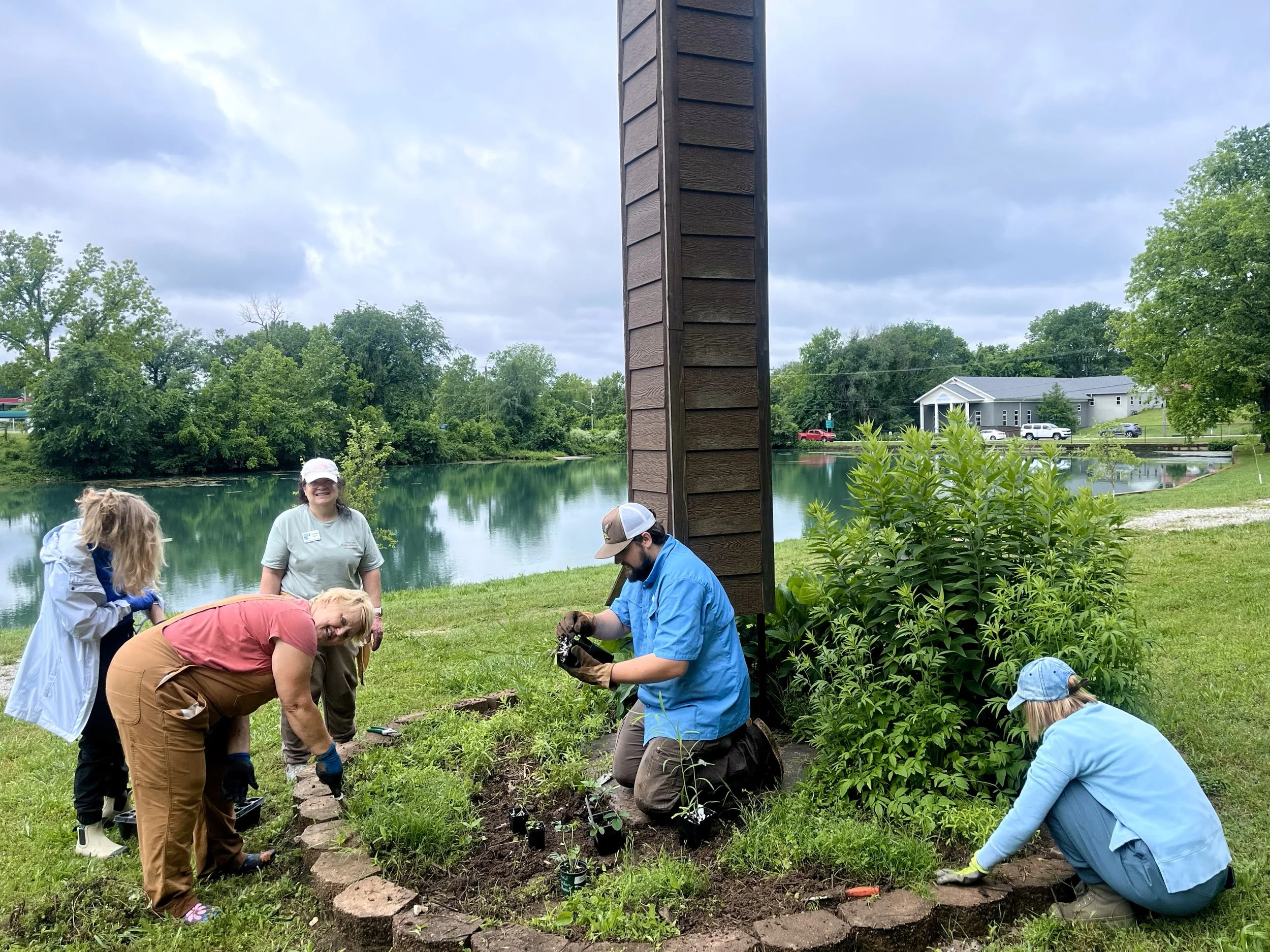
Green Infrastructure and Low Impact Development
Courses like Rain Garden Design and Lawns to Landscapes shift thinking away from relying solely on hard‑scaped infrastructure and toward resilient, distributed stormwater networks that connect our homes to the riverbanks. These approaches reduce runoff volume and peak flows, improve water quality, enhance urban green space, and increase landscape resilience to heavy rainfall using nature-based infrastructure techniques and native plants to get results.
If you are interested in any of the topics listed on this page, let us know using the form.

Let us know that you are interested in training or the certification pilot program.

Areas and Formats Identified for Training:
1. Stream Restoration Certification Pathways – Rosgen-style or equivalent regional options.
2. Green Infrastructure / LID Training – Design, construction, and maintenance focus.
3. Native Plant Nursery & Landscaping Workshops – Propagation, site preparation, invasive control.
4. GIS & Field Mapping Skills – For entry- and mid-level positions.
5. Mentorship / Apprenticeship Programs – Employer-supported, regionally coordinated.
6. Flexible Training Models – Mix of local workshops + hybrid online learning to reduce barriers.
FAQs
Email morgan@irwp.org if you have questions.
Do I have to take specific courses first?
There are no prerequisites for attending a training.
Are training costs covered or reimbursable?
Thanks to our funding partners, training courses are usually free.