
Riparian Restoration Program
The Riparian Restoration program focuses on enhancing, restoring, and protecting riparian areas located in priority sub-watersheds of the Illinois River Watershed (IRW) using voluntary water quality best management practices (BMPs) . This program encompasses the entire Illinois River Watershed and therefore is available for landowners in Oklahoma and Arkansas.
Some main focus areas of the Riparian Restoration Program, in order of proximity to the river’s edge are listed below. All of these and many more, are practices that can be implemented to improve stream health and water quality throughout the watershed.
-
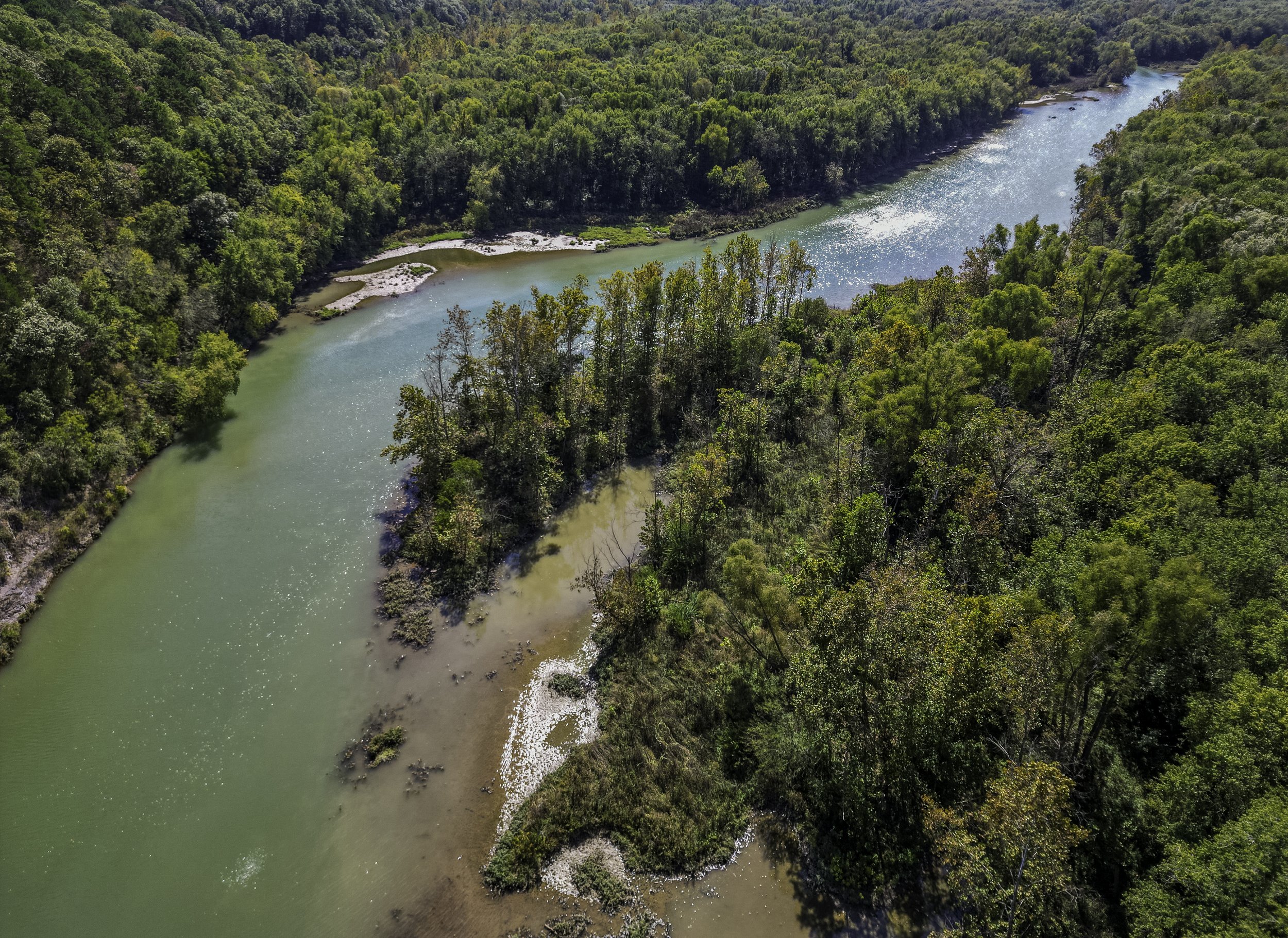
The riparian area is the land adjacent to a stream that regularly interacts with that stream, including the streambanks and the floodplain. Without dense, healthy riparian vegetation to hold soils in place, buffer erosive storm flows, filter pollutants, feed wildlife, regulate water temperatures, and recharge the ground water, you can’t have clean water. Period.
-
Description text goes here
-
Description text goes here
Riparian Restoration Program under America’s Ecosystem Restoration Initiative
The Riparian Restoration Program at IRWP is back with a new funding source; the America’s Ecosystem Restoration Initiative (AERI) grant through the National Fish and Wildlife Foundation! We are once again able to come out to site visits with private landowners to discuss potential restoration work and practices that can be implemented on your property to help improve the ecological health of the Illinois River Watershed. The AERI grant was awarded to the Cherokee Nation (who has partnered with many organizations like us, IRWP) for work across the entire Illinois River Watershed. This means that we can now expand the Riparian Restoration Program into Oklahoma while also continuing the program on the Arkansas side of the watershed. If you are a landowner in the Illinois River Watershed with streamside property (can be any size of stream, does not have to be the Illinois River itself) please contact us by filling out the form below or reaching out to our staff!
Want to implement Riparian Restoration on your property in Arkansas or Oklahoma?
Fill out the registration form below.
IRWP will reach out to schedule a site visit to learn about your land management goals and natural resource concerns.
IRWP will create a Conservation Plan for your property, based on your land management goals. The Conservation Plan will include a suite of potential practices that could be reimbursed for through the Landowner Services Program funded by the Natural Resource Conservation Service, or potentially funded through other grant options with IRWP.
Contact us to begin.

Sydney Bowman | Restoration Specialist
sydney@irwp.org
(479) 619-5334
America’s Ecosystem Restoration Initiative (AERI)
America’s Ecosystem Restoration Initiative is a grant program through the National Fish and Wildlife Foundation, which funds planning focused around ecological restoration, public access to nature, and partner driven conservation. This grant funding was awarded to the Cherokee Nation for the Illinois River Watershed in 2025 and will fund planning work through 2027. The IRWP is one of many partners working under this grant and one of our primary roles is to re-activate our Riparian Restoration Program and expand it into Oklahoma while continuing to also work in Arkansas. Through this grant, the Riparian Restoration Program will focus on creating conservation plans for landowners throughout the watershed and will also fund any design work needed to prepare for future implementation of the conservation plans and designs. This grant is funding planning, so under this grant no restoration work will be implemented, but at the end of the grant period (summer 2027) these planning grants will typically roll over into implementation grants. So with any conservation plan and design work conducted under the AERI grant, there is a high likelihood that project funding for implementation will be coming in the near future. Through IRWP and our partners, there are also many other modes of funding that we can discuss with you further that are already available! To learn about more work being done under AERI funding, outside of the Riparian Restoration Program, click this link ____(link to CN AERI webpage).
Background
Focus
The Riparian Restoration Program under AERI is very similar to what it was in the past. The focus for the Riparian Restoration Program will still be on riparian areas within our priority impaired sub-watersheds, shown here in our Data Exploration Tool. The RRP will also focus on karst recharge areas and Threatened & Endangered Species areas within the watershed.
Partners

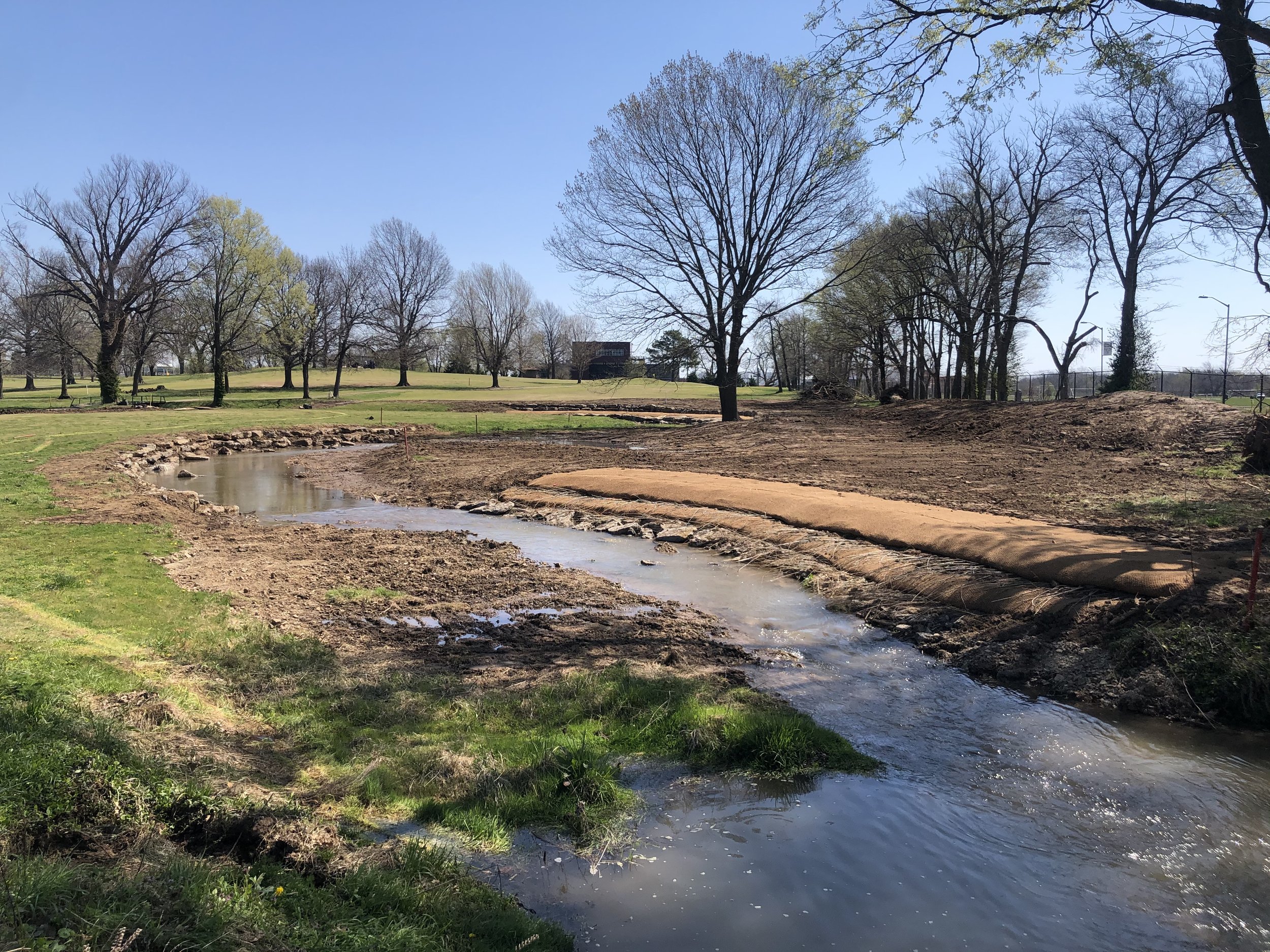
Reforesting of Sager Creek
See how one city, built along a stream - as so many are - has honored the natural ecology of the stream and taken measures to protect it for recreational use and aesthetic beauty. Proper planting and maintaining of a vegetated riparian area (riparian buffer or riparian zone) keeps the water cool, algae-free, improves water quality, allows for fishing, and maintains the stream for generations to come.
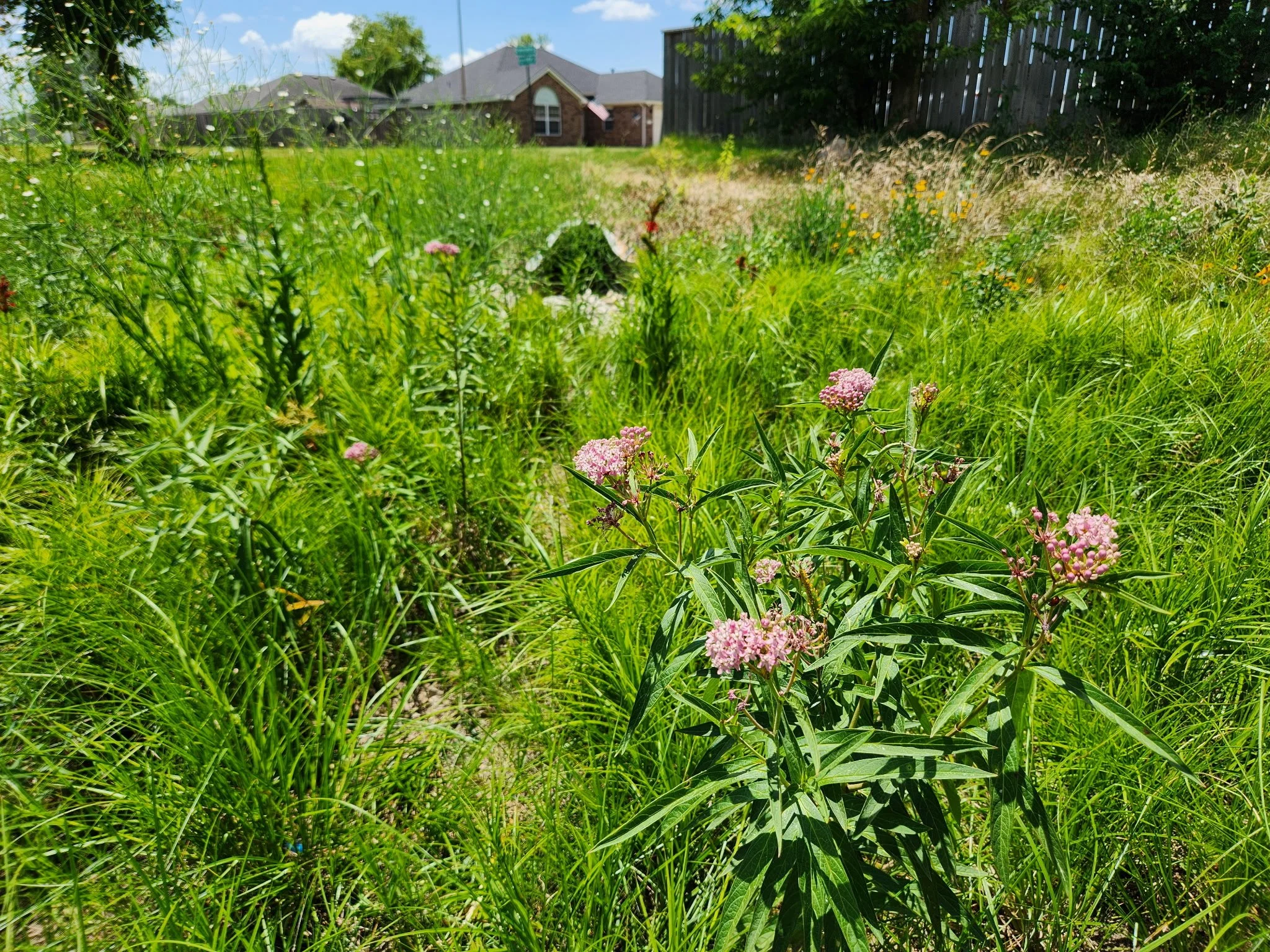
The Riparian Restoration Program was a partner-driven program funded by the Walton Family Foundation and Arkansas Department Agriculture - Natural Resource Division (ADA-NRD) as well as landowners, other public agencies, municipalities, and private companies through cost-share. The program focused on enhancing, restoring, and protecting riparian areas located in priority subwatersheds of Upper Illinois River Watershed (UIRW) using voluntary water quality best management practices (BMPs) . The program began in 2018 and was completed in 2024.
-
277 acres of riparian buffers enhanced through conservation and restoration practices
-
21.8 miles of streams enhanced, restored, and/or protected
-
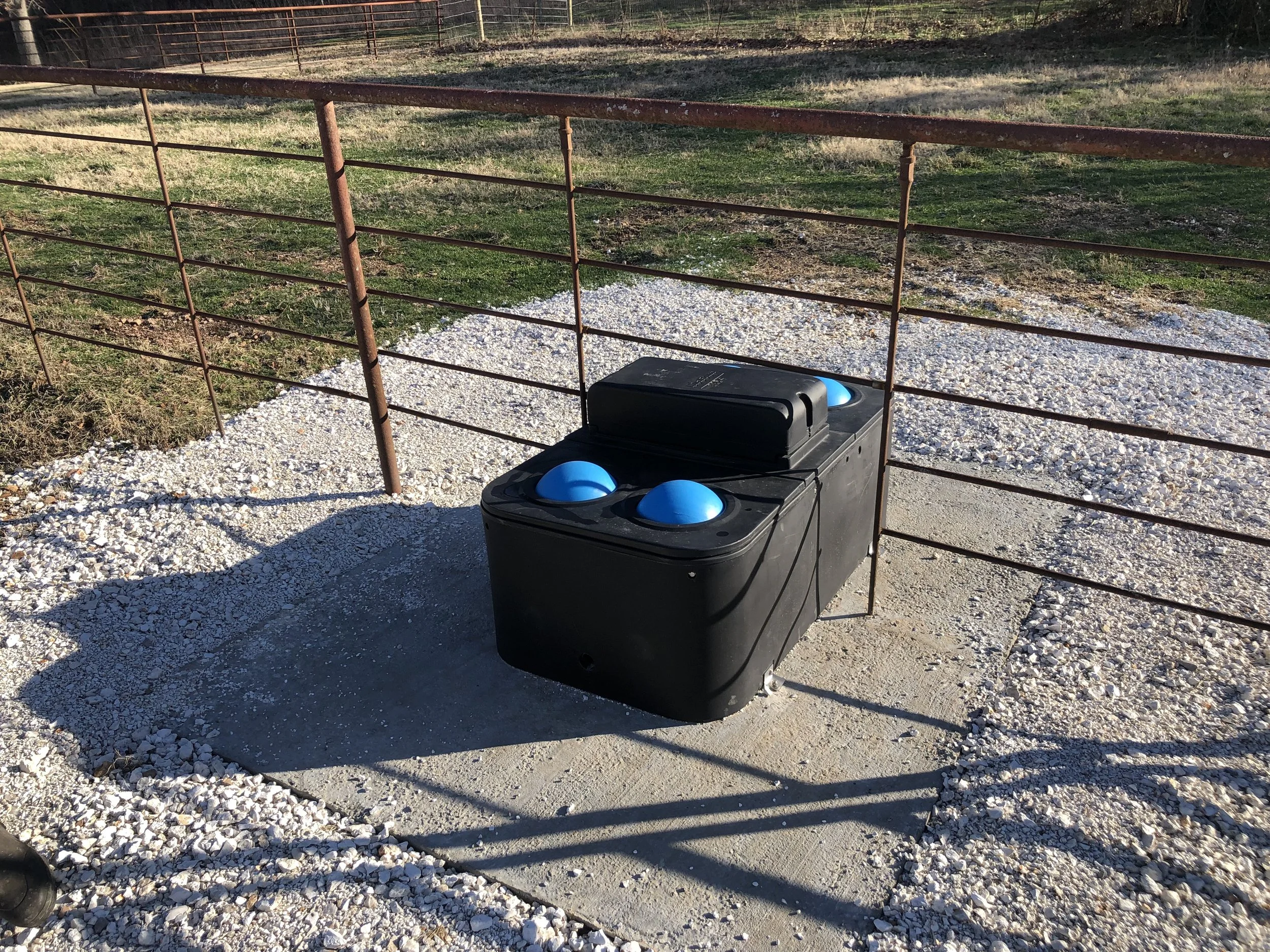
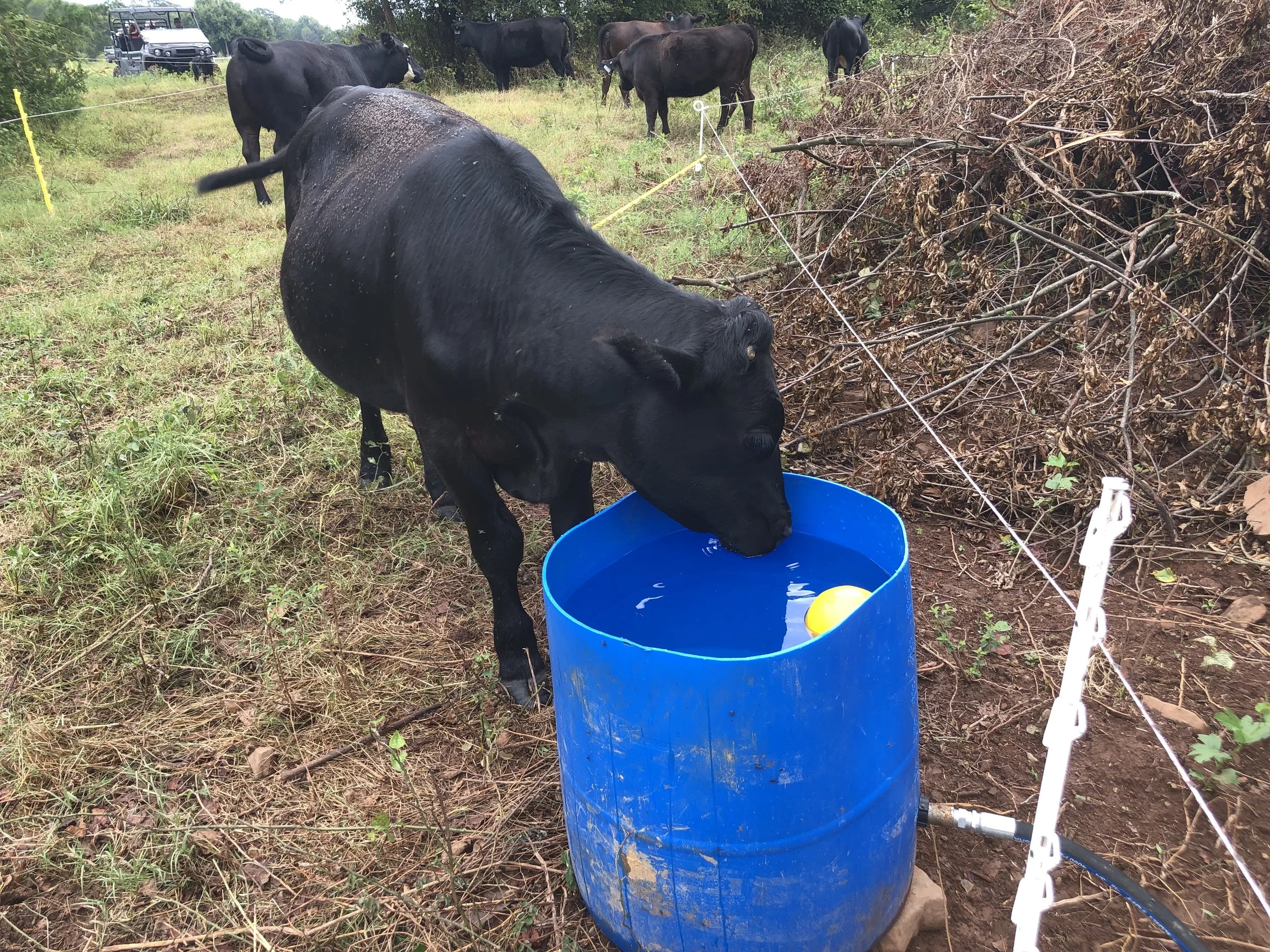
1,843 agricultural acres served by alternative watering systems
-
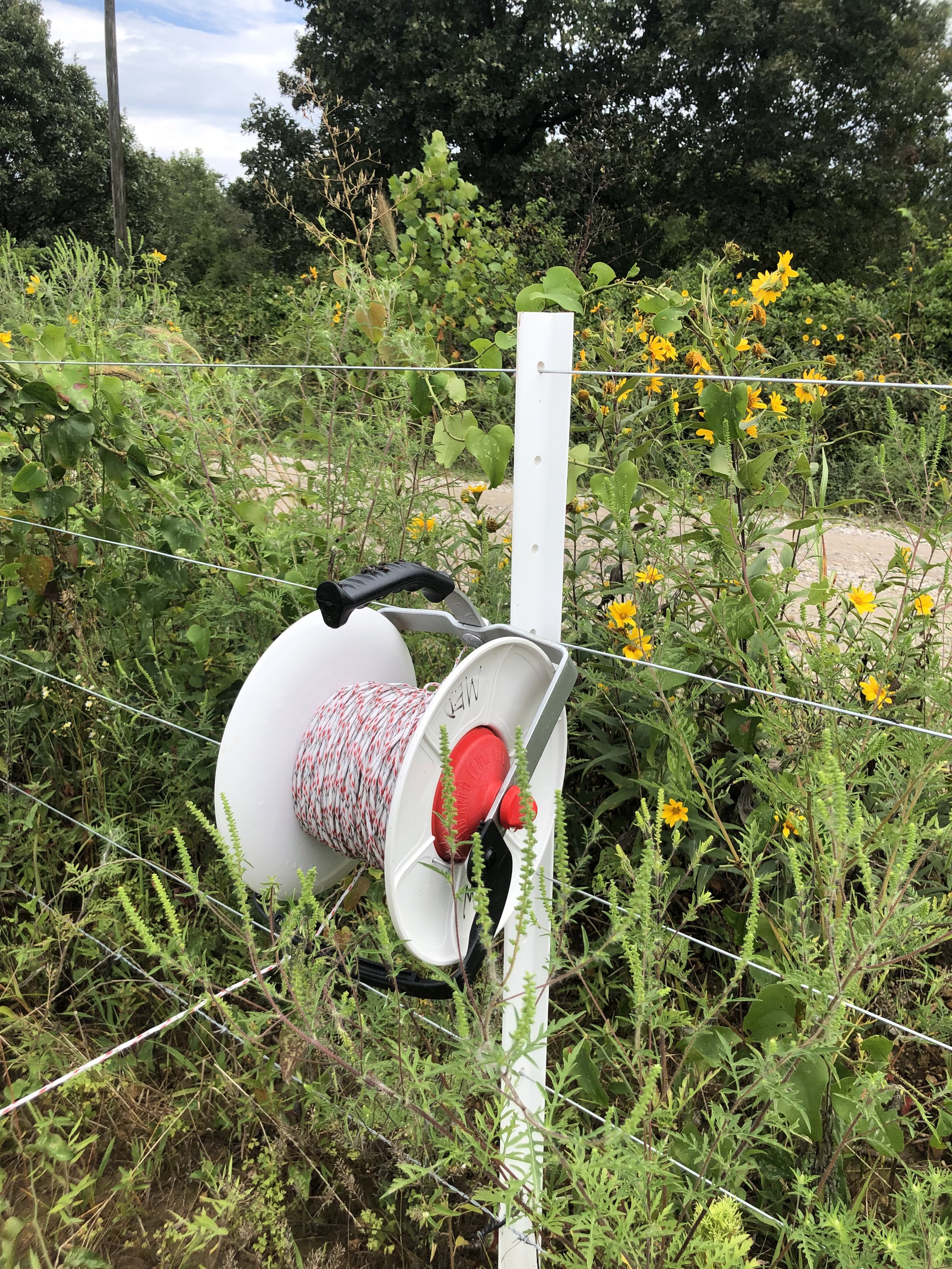
90,701 linear feet of fencing constructed to excluded cattle from streams and support rotational grazing.
-
94 best management practices installed to improve water quality
Who Took Part in this Program?

Agricultural Landowners
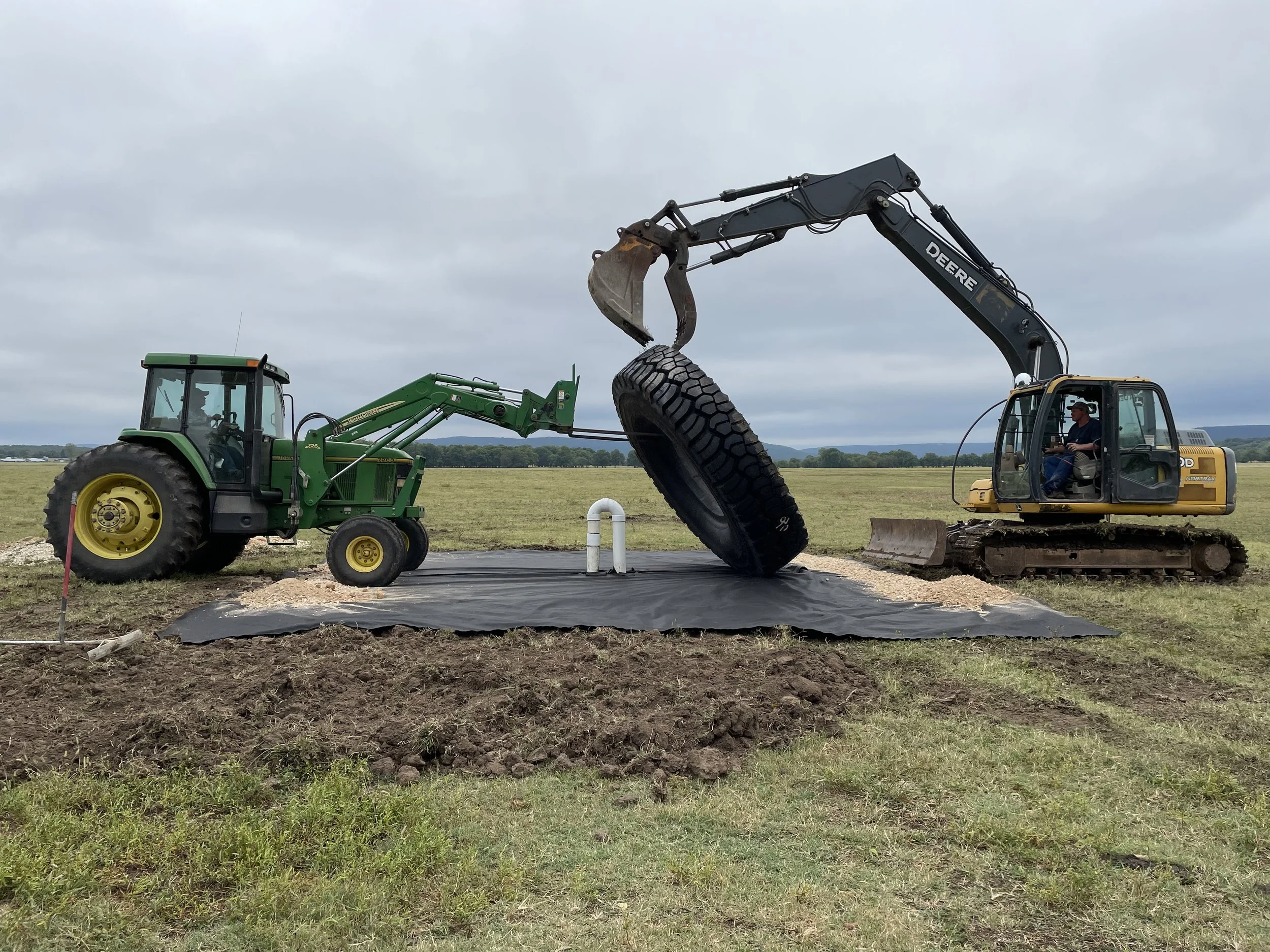
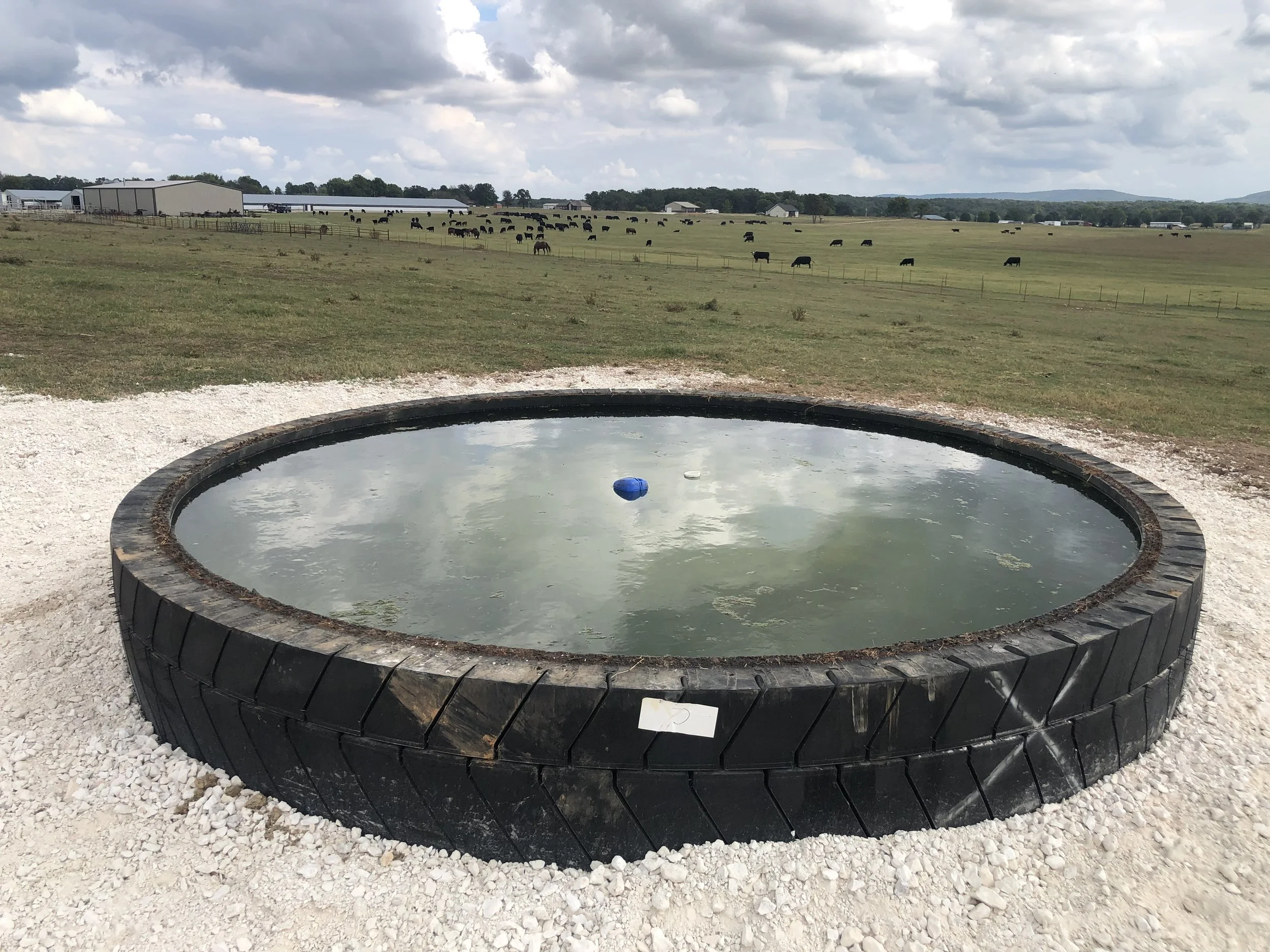
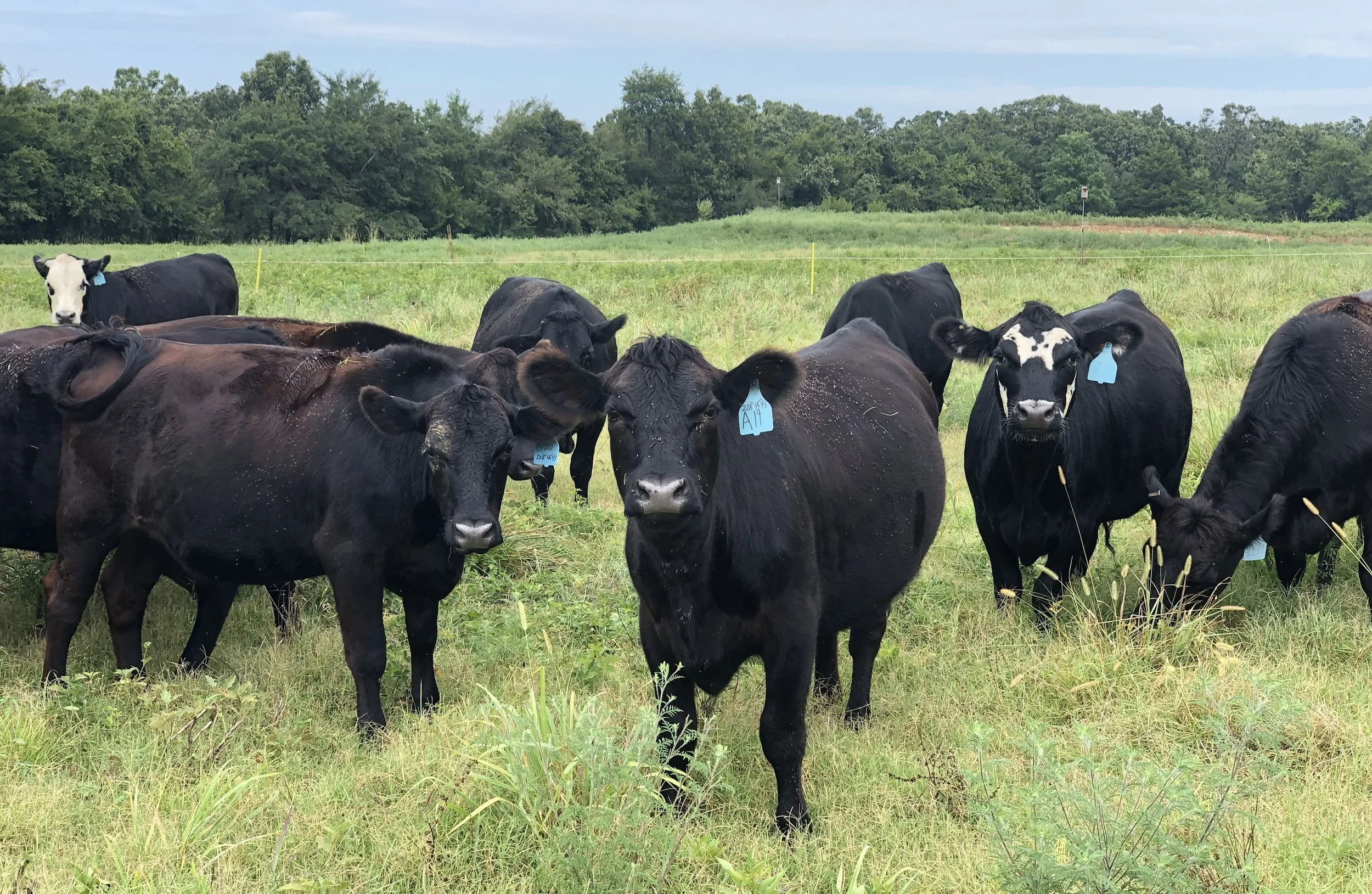
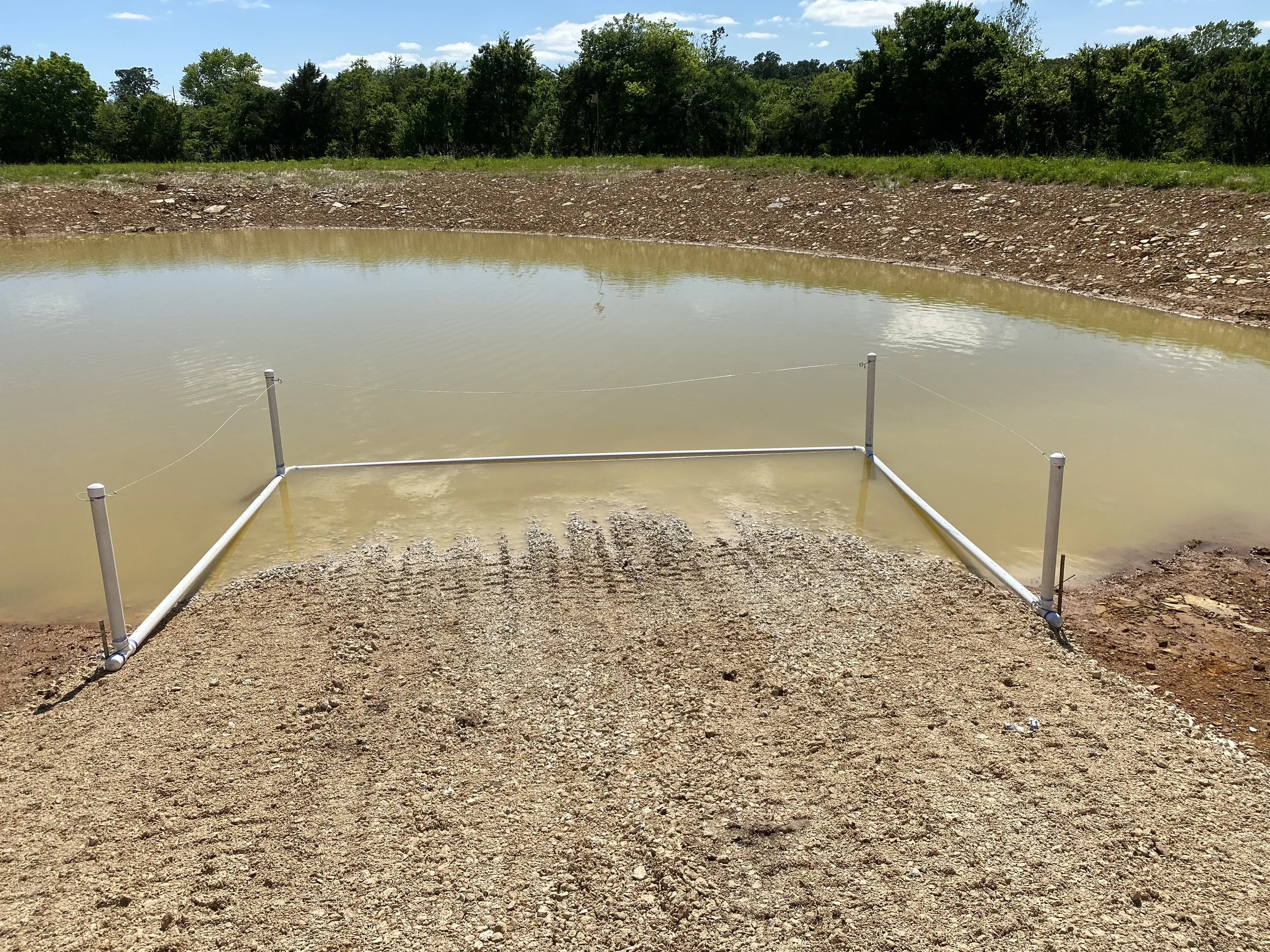
Our program helped deliver clean water to livestock, build stabilized creek crossings, construct cross-fence, control cattle access to streams, and much more.

Residential Landowners
We were able to help residential landowners address erosion and drainage issues.
Businesses & Municipalities
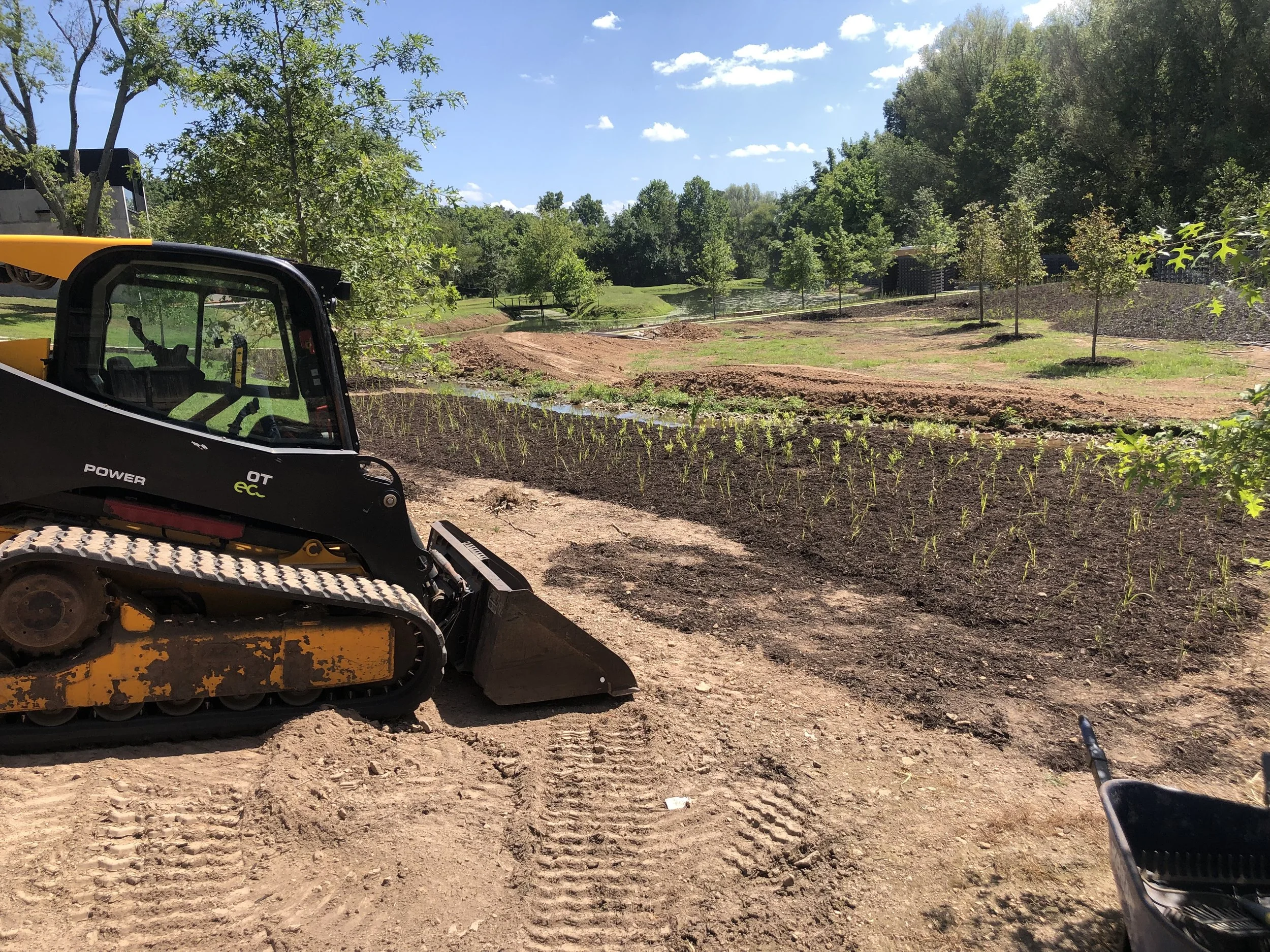
We worked with developers to add value to stormwater infrastructure in innovative ways, and beautify public spaces with native riparian vegetation.
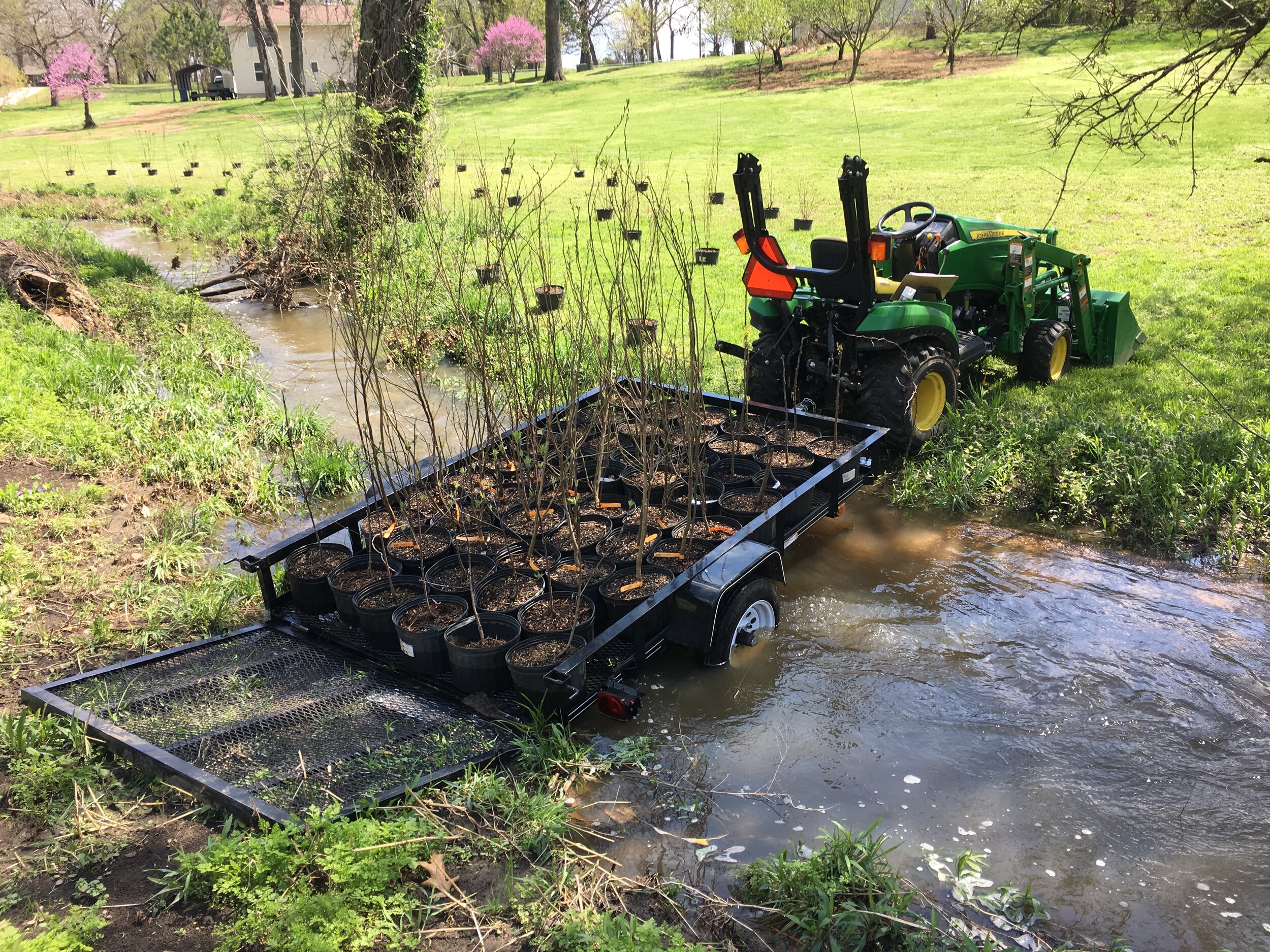
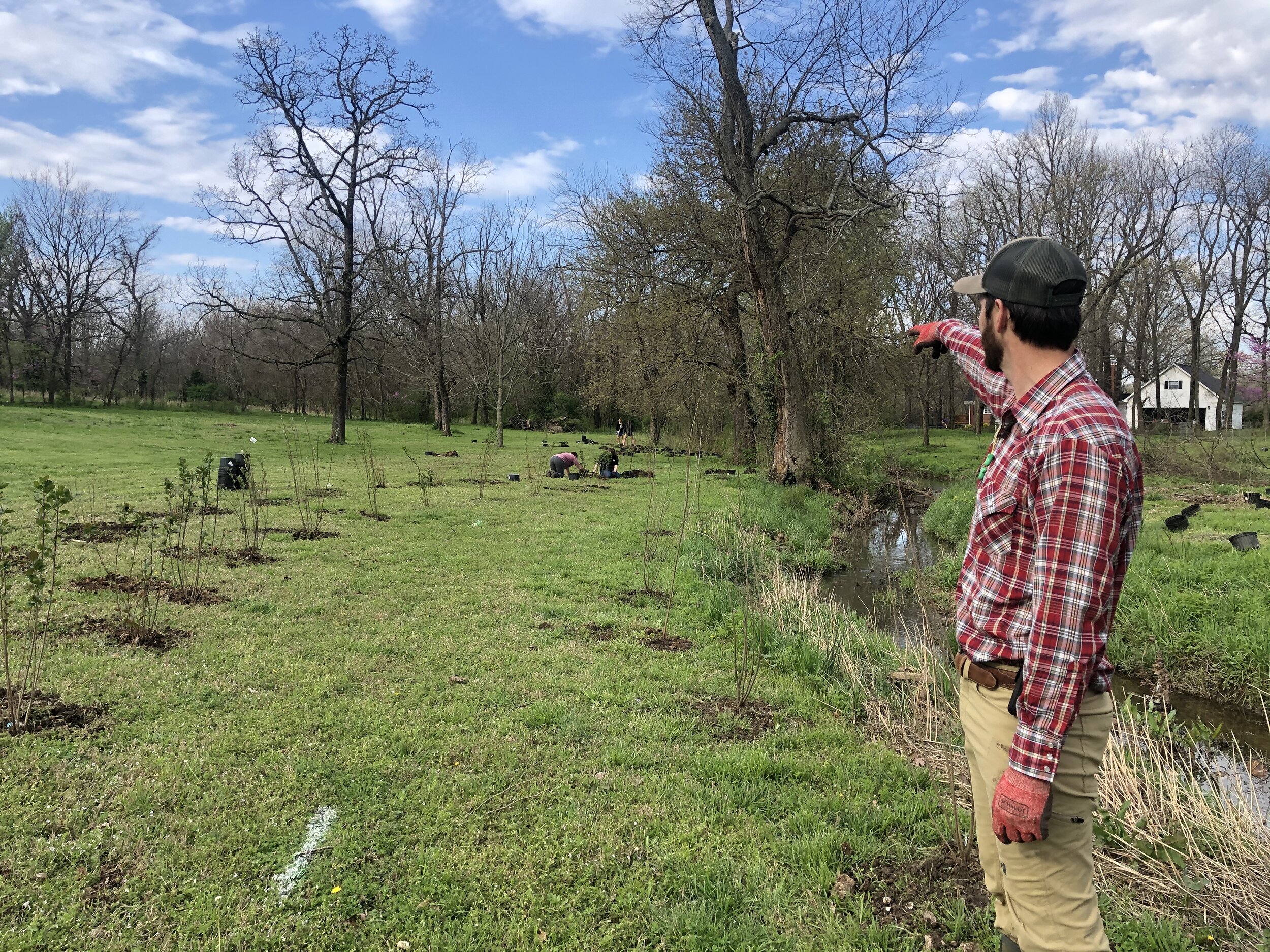
Past Projects Accomplished through the Riparian Restoration Program
-
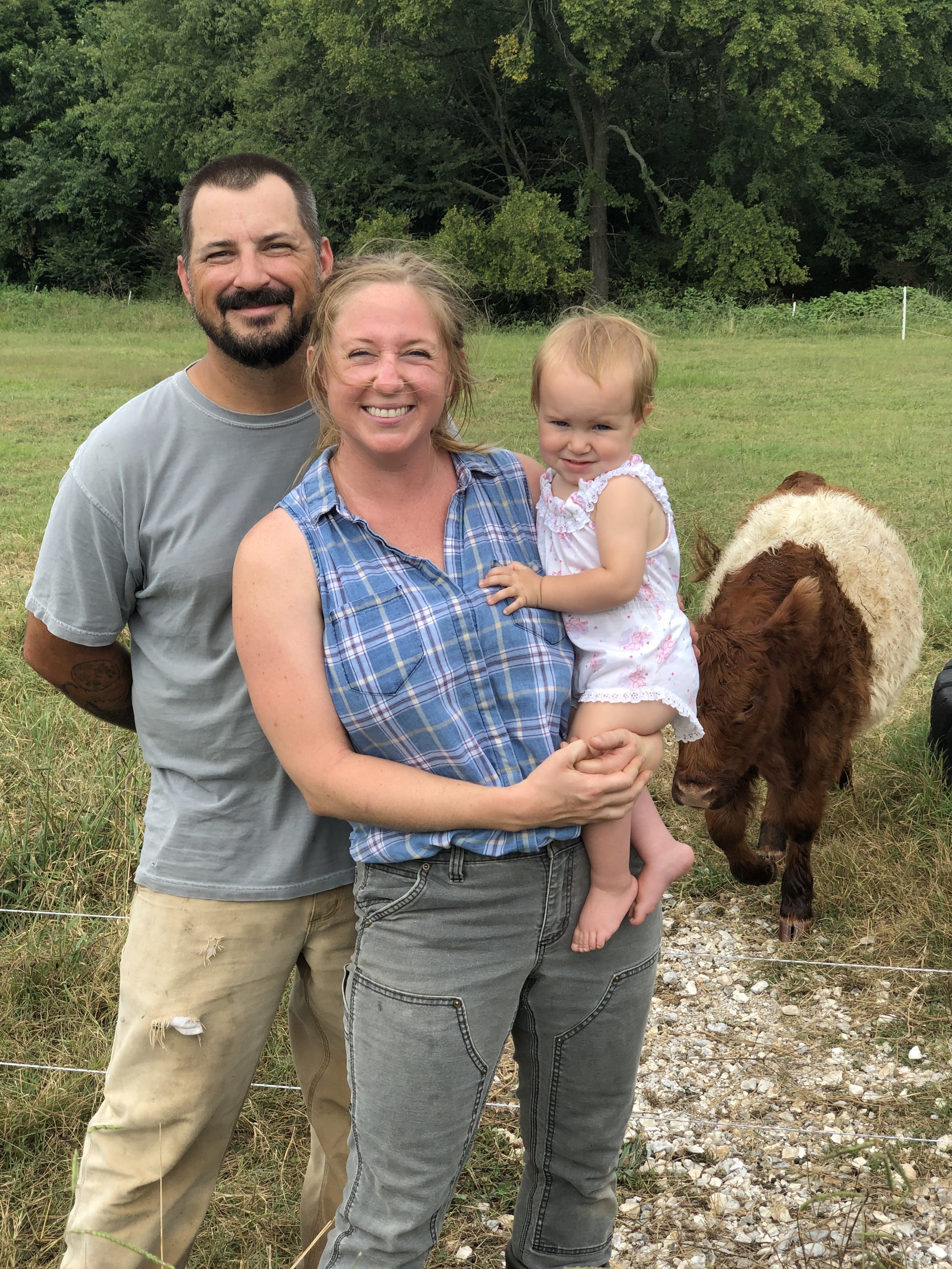
Jared & Lindi Phillips
-

Randy & Cheryl West
-

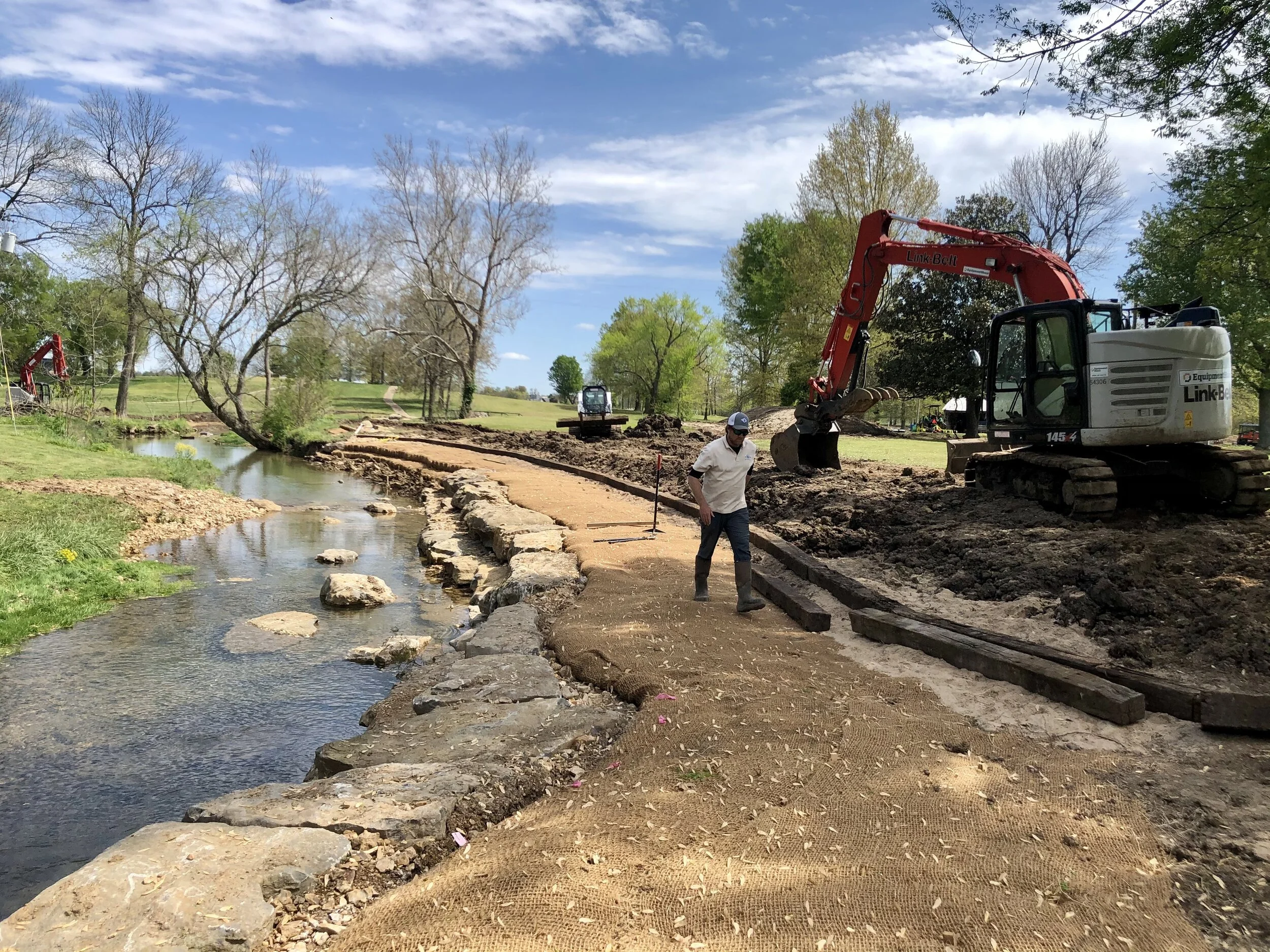
The Course at Sager's Crossing



FREQUENTLY ASKED QUESTIONS
-
Why are we getting so much more flooding than we used to?
There are two main reasons that most people in NWA are seeing more flooding:
1. Changing Precipitation. Over the past 20 years, NWA has seen a marked increase in the frequency of intense rain events.2. Changing Land-use. NWA is growing at break-neck speed, which means that the pastures and forests that used to absorb rainfall are being replaced by parking lots, roads, and roofs that do not. Our stream channels aren’t large enough to handle the extra runoff, so they are flooding more often, and eroding more rapidly.
-
I want to clean my creek up and clear out all the junk growing along it. Where should I start?
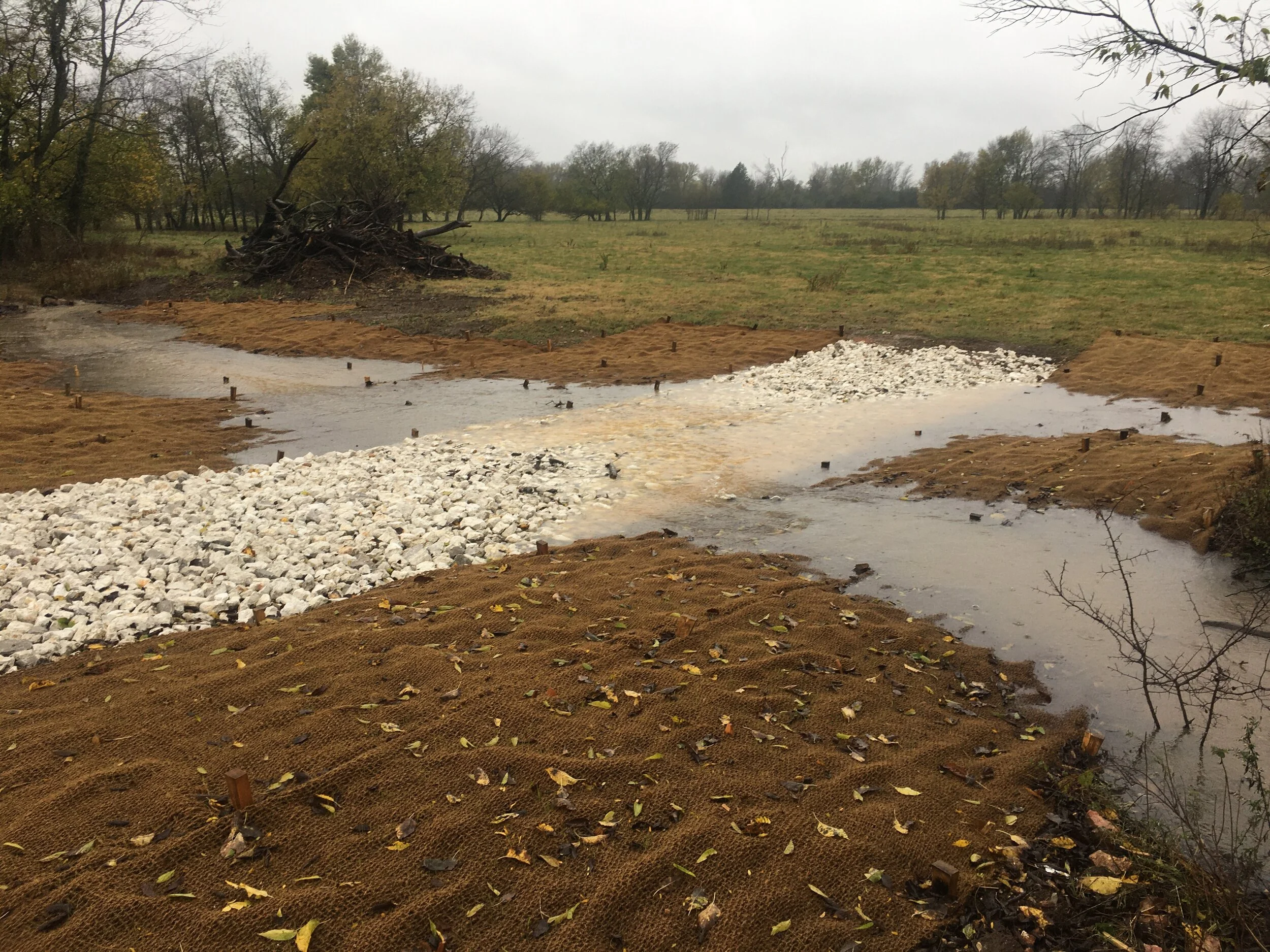
The thing is, most creeks don’t need “cleaned up and cleared out.” In fact, it is usually the case that right along the bank, the thicker the vegetation the better. The roots of plants in the streambank are like the rebar in concrete. Without vegetation, there is nothing to hold soils in place, and streambanks will quickly begin eroding. A healthy riparian forest has dense vegetation at ground-level, mid-story, and canopy.
-
Ripari-what?
Riparian area. The riparian area is the land adjacent to a stream that regularly interacts with that stream, including the streambanks and the floodplain. Without dense, healthy riparian vegetation to hold soils in place, buffer erosive storm flows, filter pollutants, feed wildlife, regulate water temperatures, and recharge the ground water, you can’t have clean water. Period.