
Restoring Prairie Grove Battlefield: Reconnecting Land, Water, and History
The work at Prairie Grove Battlefield State Park is made possible by the Inflation Reduction Act and the Climate Pollution Reduction Grants. Thank you to MetroPlan, NWA Regional Planning, and the many other partners implementing this work across the state.
Thank you to Arkansas State Parks for your support of this transformative work.
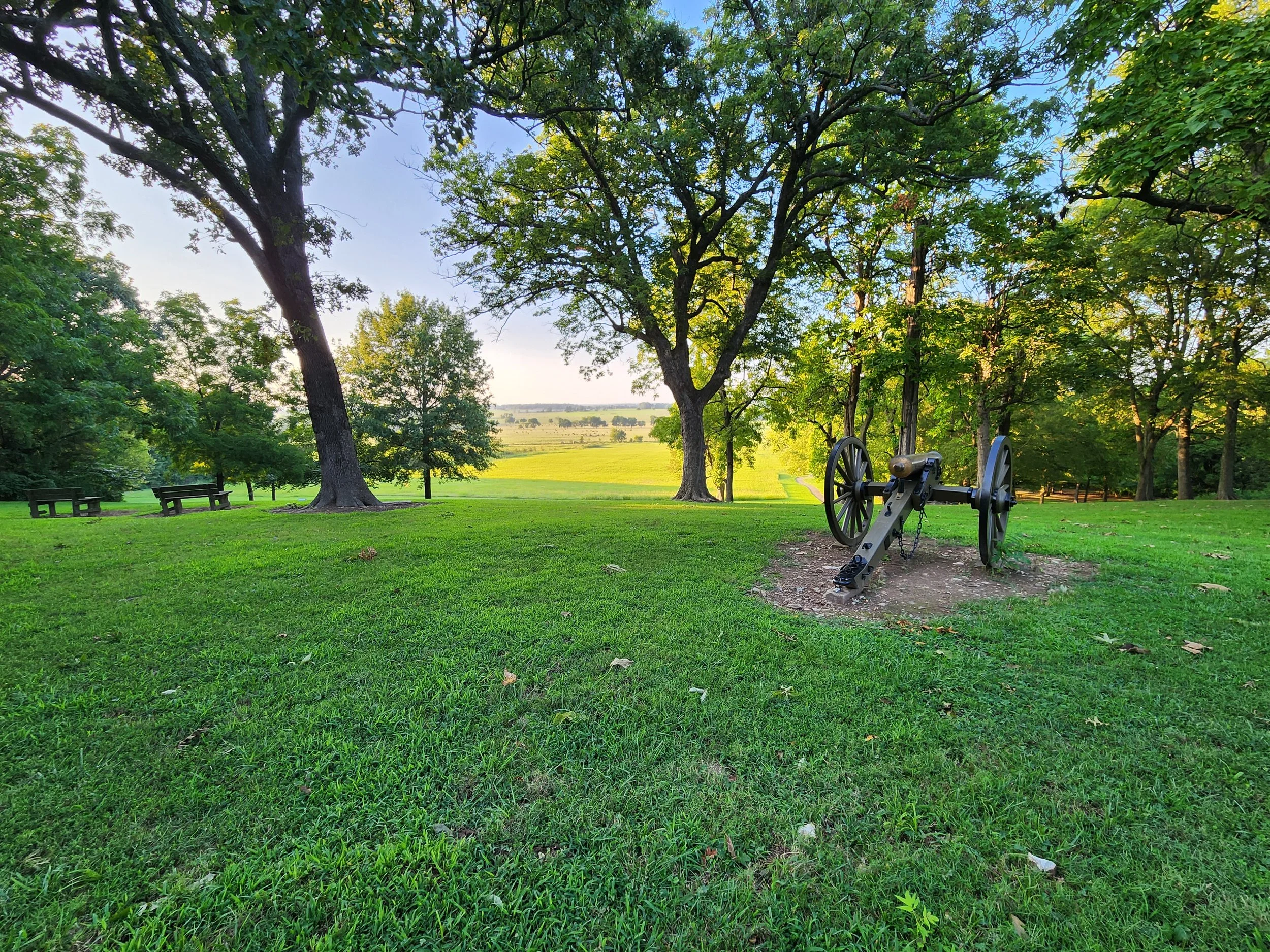
During the Civil War, this view across the Prairie Grove Battlefield was dominated by open prairie, with scattered oak woodlands and wide views across the landscape. Restoration will return native prairie, open woodlands, wetlands, and river cane, improving water quality and helping the park reflect the land as it would have appeared during the battle.
The landscape at Prairie Grove Battlefield State Park (PGBSP) tells a powerful story, not just of history, but of the natural systems that shaped it. Through a partnership with Arkansas State Parks, the Illinois River Watershed Partnership (IRWP) is leading a restoration effort that will return more than 800 acres of the park to functioning native prairie, wetland, and woodland ecosystems.
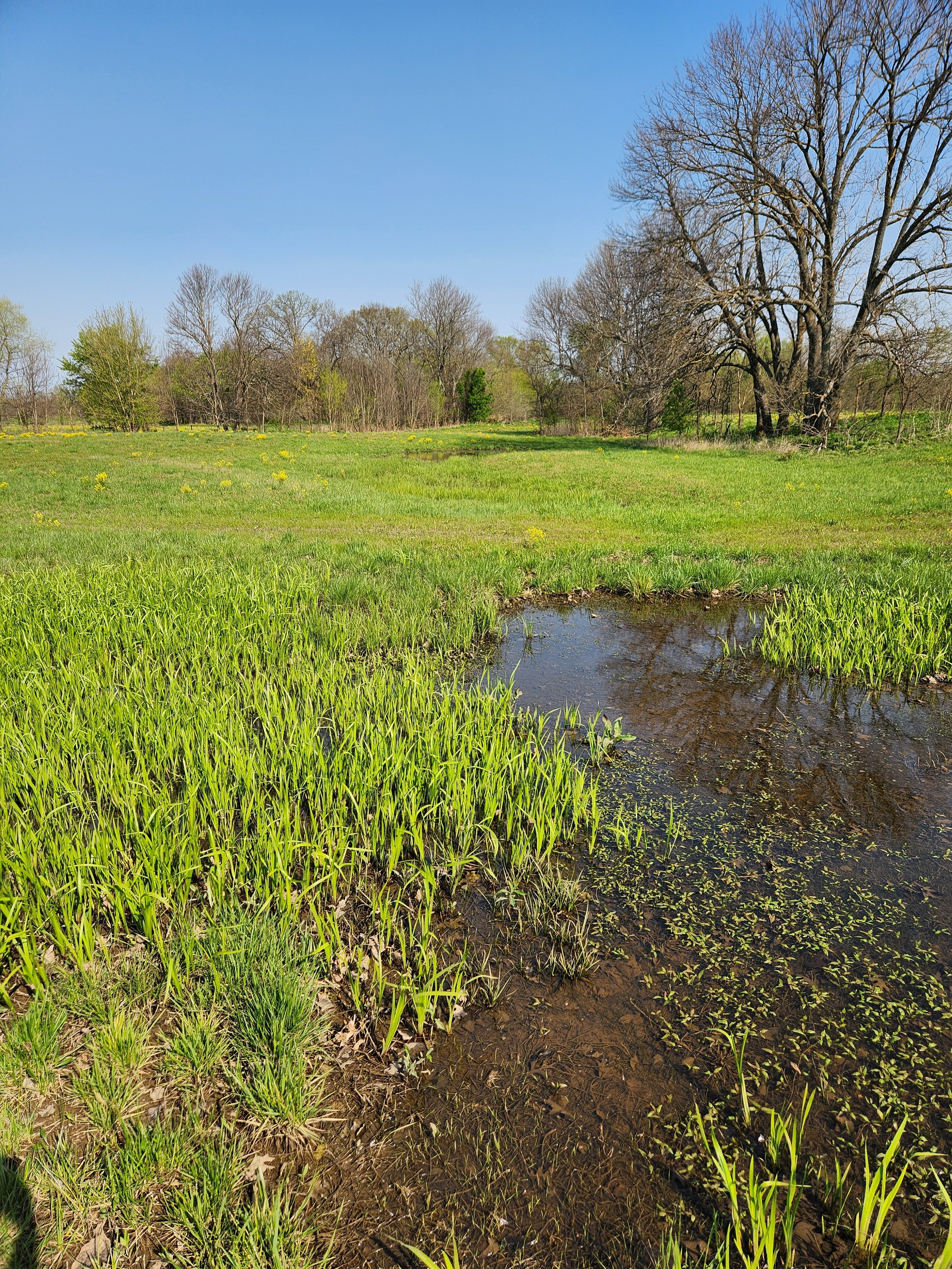
Emergent wetland in a hay field at Prairie Grove Battlefield State Park.
Funded through the Climate Pollution Reduction Grant (CPRG) under the Inflation Reduction Act, this project will restore 570 acres of native prairies, wetlands, and wet prairies, along with 230 acres of floodplain and upland woodlands. Together, these restored systems will strengthen the health of the Illinois River watershed while preserving the ecological and cultural heritage of Prairie Grove Battlefield.
Native prairies, wetlands, and woodlands play a critical role in watershed health. Deep-rooted native plants build resilient soils that absorb rainfall, slow runoff, and reduce erosion, helping filter pollutants before they reach the Illinois River. By restoring these natural systems, the project improves water quality downstream, reduces flooding risk within the park, and supports diverse wildlife habitat.
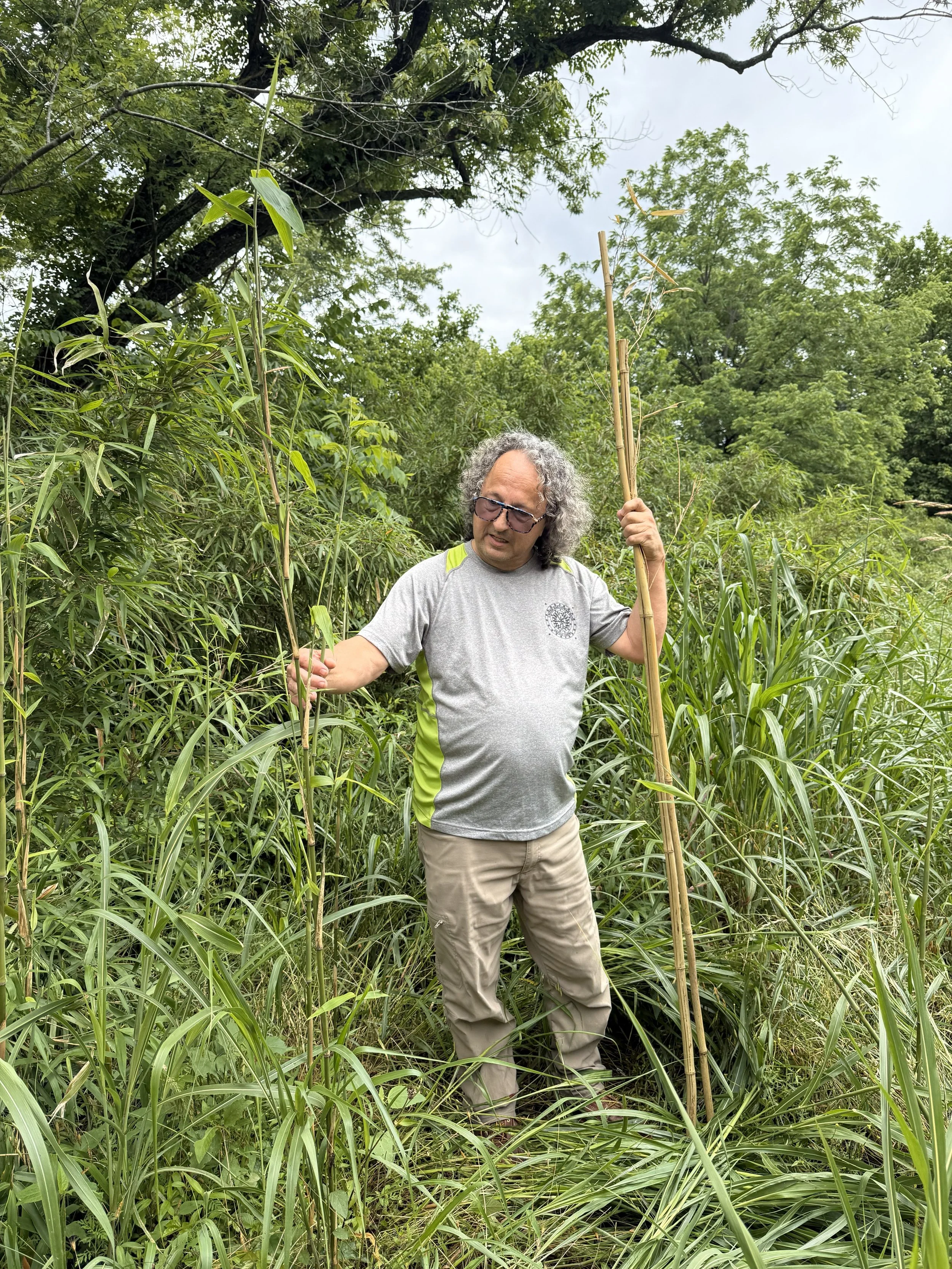
Roger Cane, UKB Tribal Ethnobotanist, teaching field tour attendees about river cane at the Battlefield.
A key component of the restoration includes river cane (Arundinaria gigantea), a culturally and ecologically significant native species once common along the Illinois River and its tributaries. Through IRWP’s partnership with the United Keetoowah Band of Cherokee Indians (UKB) and their River Cane Initiative, existing cane breaks within the park will be conserved and protected, while additional river cane will be reintroduced in appropriate riparian and wetland areas. River cane provides exceptional streambank stabilization, sequesters carbon, and creates critical habitat, while also supporting the cultural traditions of Indigenous communities who have stewarded these landscapes for generations.
This work also reconnects the park’s natural landscape with its historical significance. Restored prairies, woodlands, and cane breaks will reflect what the area looked like during the Civil War era, offering visitors a deeper understanding of how the land influenced the battle and the people who lived here. Trails through restored areas will allow visitors to experience these landscapes firsthand, creating opportunities to learn from both the history and the ecology of the site.
Restoration activities include invasive species management, replanting native grasses, wildflowers, trees, and river cane, and improving hydrology to support wetlands and springs throughout the park. Work began in 2025 with site assessments and early invasive control in woodland and riparian areas. Prairie restoration will begin in 2027, with planting, prescribed fire, and invasive management continuing through 2029.
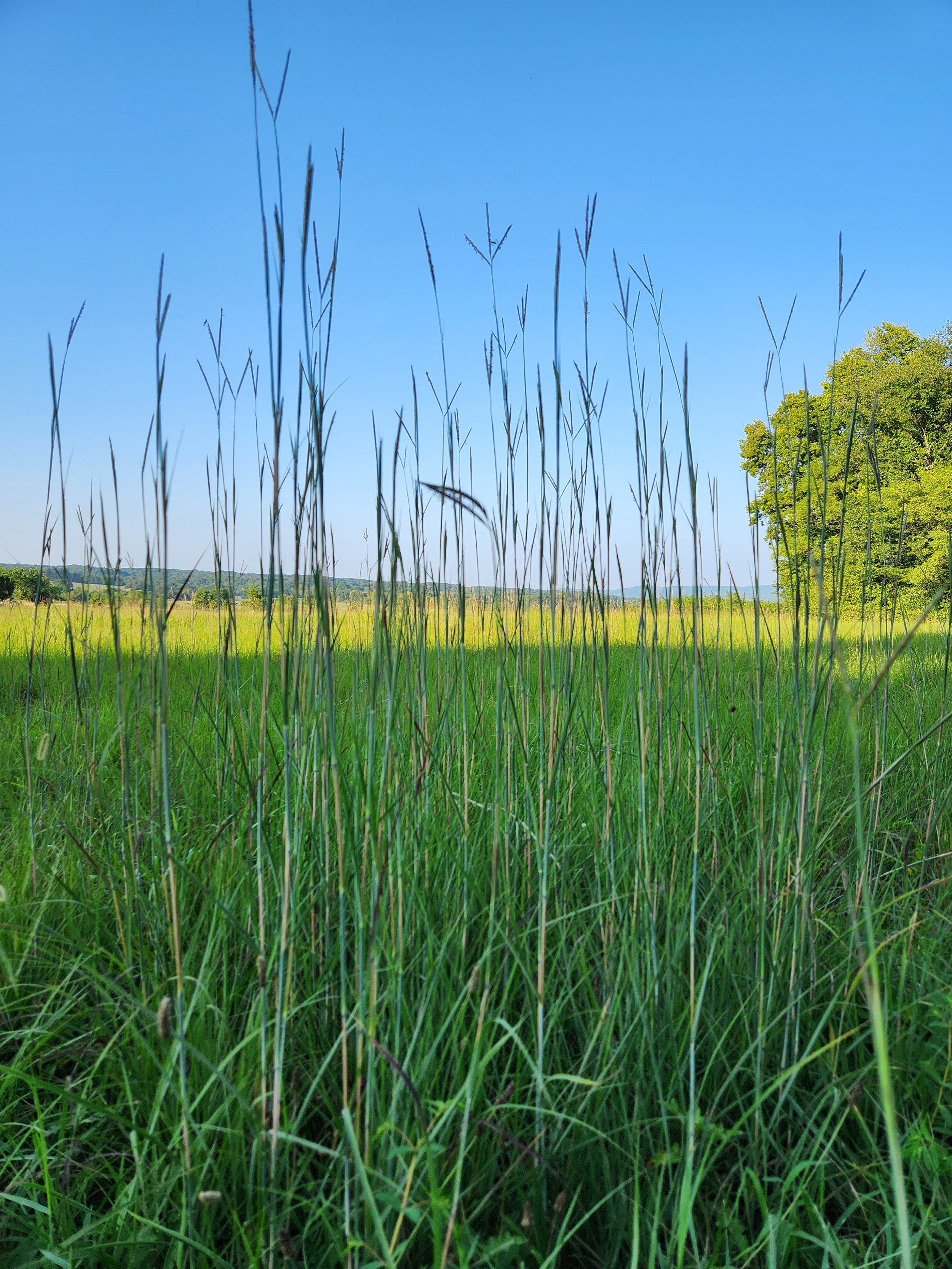
Big Bluestem Growing in a Prairie Remnant at the park.
IRWP and Arkansas State Parks are collaborating with regional partners to bring this project to fruition. Arkansas Game and Fish will assist in the development of a prescribed burn plan to support prairie restoration and habitat diversity. The Southeastern Grasslands Institute, including prairie ecologist Theo Witsell, is providing technical guidance to ensure restoration strategies reflect historically appropriate and regionally significant grassland systems. Quail Forever is partnering on the project to enhance habitat for northern bobwhite and other grassland-dependent wildlife, contributing expertise in early successional habitat management and species-specific conservation outcomes.
Preserving the park’s cultural resources is equally important. The Arkansas Archeological Society will be present during tree planting activities to help identify and interpret any artifacts that may be encountered, ensuring restoration work respects and protects the site’s historical record. In addition, the University of Arkansas Department of Crop, Soil, and Environmental Sciences will support research at the park, helping track soil health and ecological outcomes to improve understanding of how restored systems function over time.
Through restoration at Prairie Grove Battlefield State Park, IRWP is helping the land function as it once did, supporting clean water, resilient ecosystems, and meaningful connections to place. This project represents a significant step forward for the Illinois River watershed and a lasting investment in the natural and cultural heritage of Northwest Arkansas.
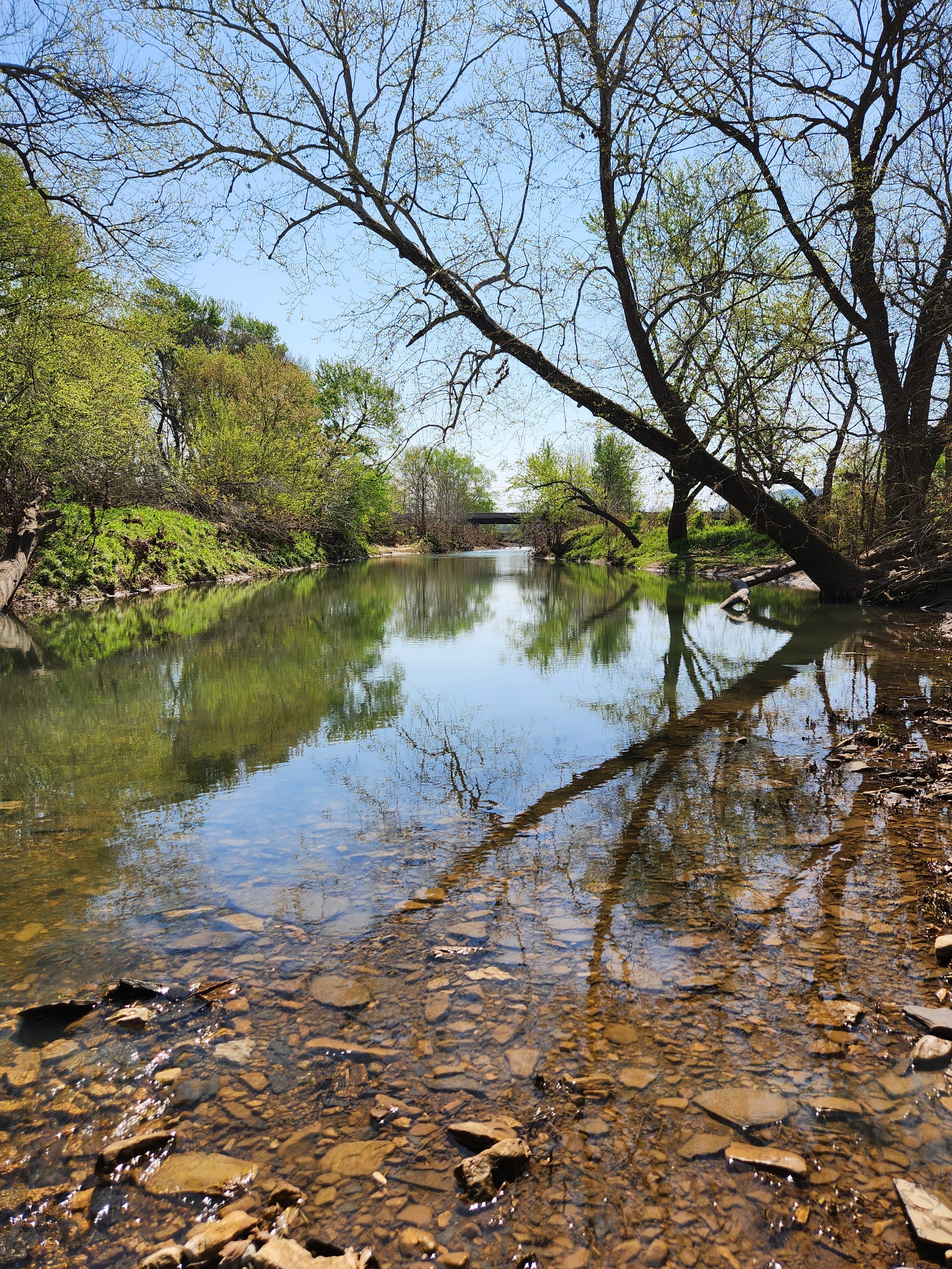
The Illinois River starts in Washington Country near Hogeye and flows west to Oklahoma, crossing the state line at Watts. It is at the heart of Prairie Grove Battlefield State Park, supporting rich floodplain, prairie, and woodland ecosystems. Restoration efforts will strengthen these river corridors, improving water quality while reconnecting the landscape to its natural and historic roots.
See more photos of Prairie Grove Battlefield State Park here!
Want to get involved in this project, sign up to be a volunteer!
Have questions about the restoration at Prairie Grove Battlefield State Park? Reach out to the author by email:
Annie Sales, IRWP Director of Restoration Services, annie@irwp.org