
Empowering the Conservation Professionals of Tomorrow
Here in Northwest Arkansas, we hear a lot about our region’s explosive growth and the prosperity that comes with it.
However, rapid urbanization has to be balanced with environmental protection if we hope to maintain a functional watershed. Every new subdivision, parking lot, and stretch of impervious surface sends more stormwater rushing into our creeks and rivers, carrying sediment and pollutants with it. Restoring that balance takes real, hands-on work: building urban rain gardens, planting riparian buffers, managing invasive species. It's a hefty to-do list that requires a specially trained workforce to accomplish it.
In partnership with other regional organizations, we've launched a new workforce development initiative: the Conservation Training Program (CTP).
CTP was built to nurture the next generation of land stewards, and we're actively recruiting new students right now.
Whether you've recently graduated or are looking to shift careers, this program will expand your knowledge of conservation practices, give you applied learning experience in the field, and connect you to a network of professionals who share your values. And best of all, certification through CTP is entirely free.
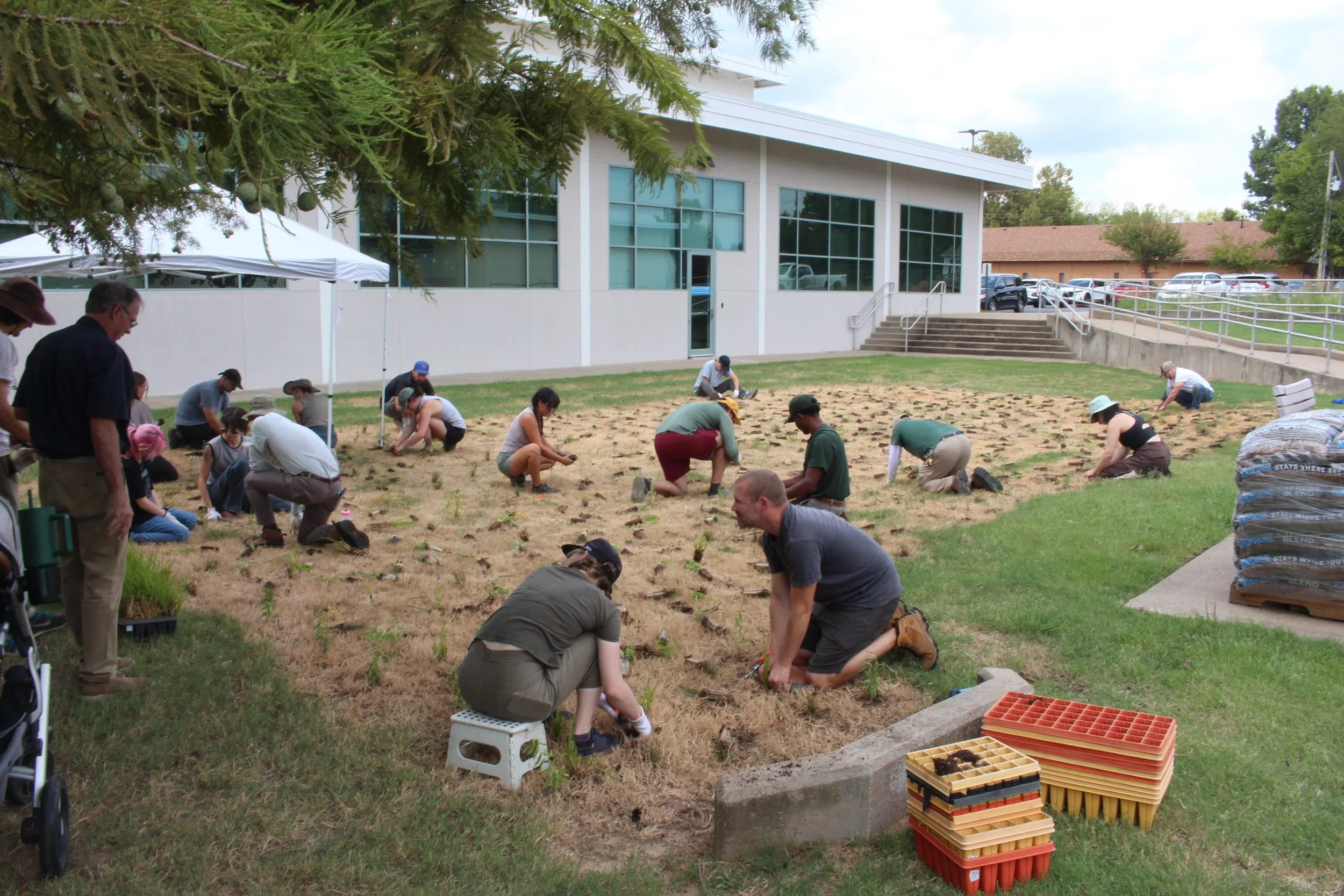
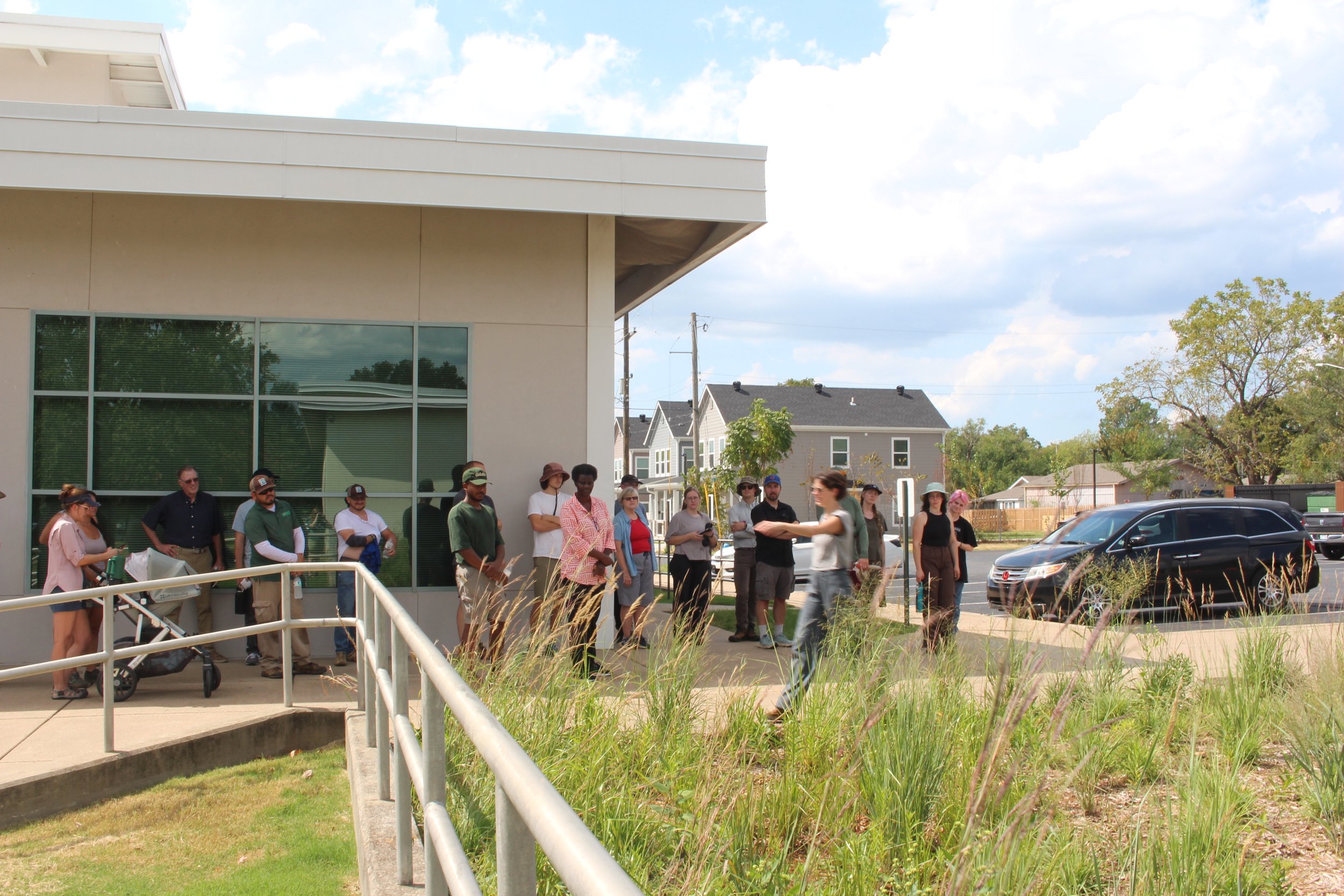
In September, IRWP held our Landscaping with Native Plants Workshop at The Jones Community for Nonprofits.
Students learned how to plan, install, and maintain native plants in a landscaped setting. These skills aren’t taught in the conventional landscaping industry, which focuses on ornamental, non-native plant palettes. Native plants need a different type of care, and most workers never get the chance to learn it on the job. CTP is designed to fill exactly that gap.
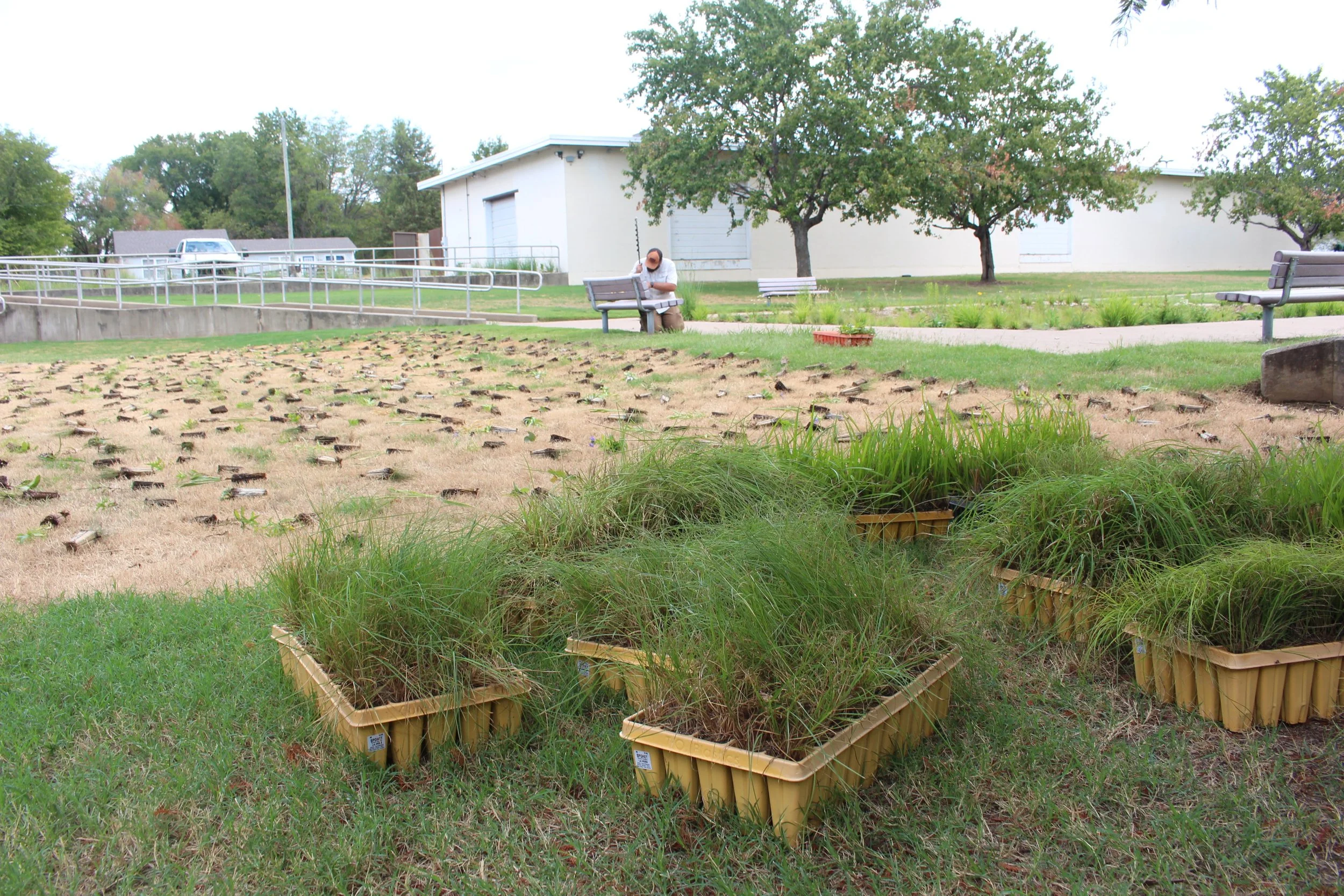
We put the lesson into practice with a design charrette, where participants sketched their own plans to retrofit a conventional landscape with more ecologically-minded practices. Then it was time to get hands dirty: our CTP students planted 2,500 plugs of native grasses and perennials across three new rain gardens in the Jones Center courtyard.
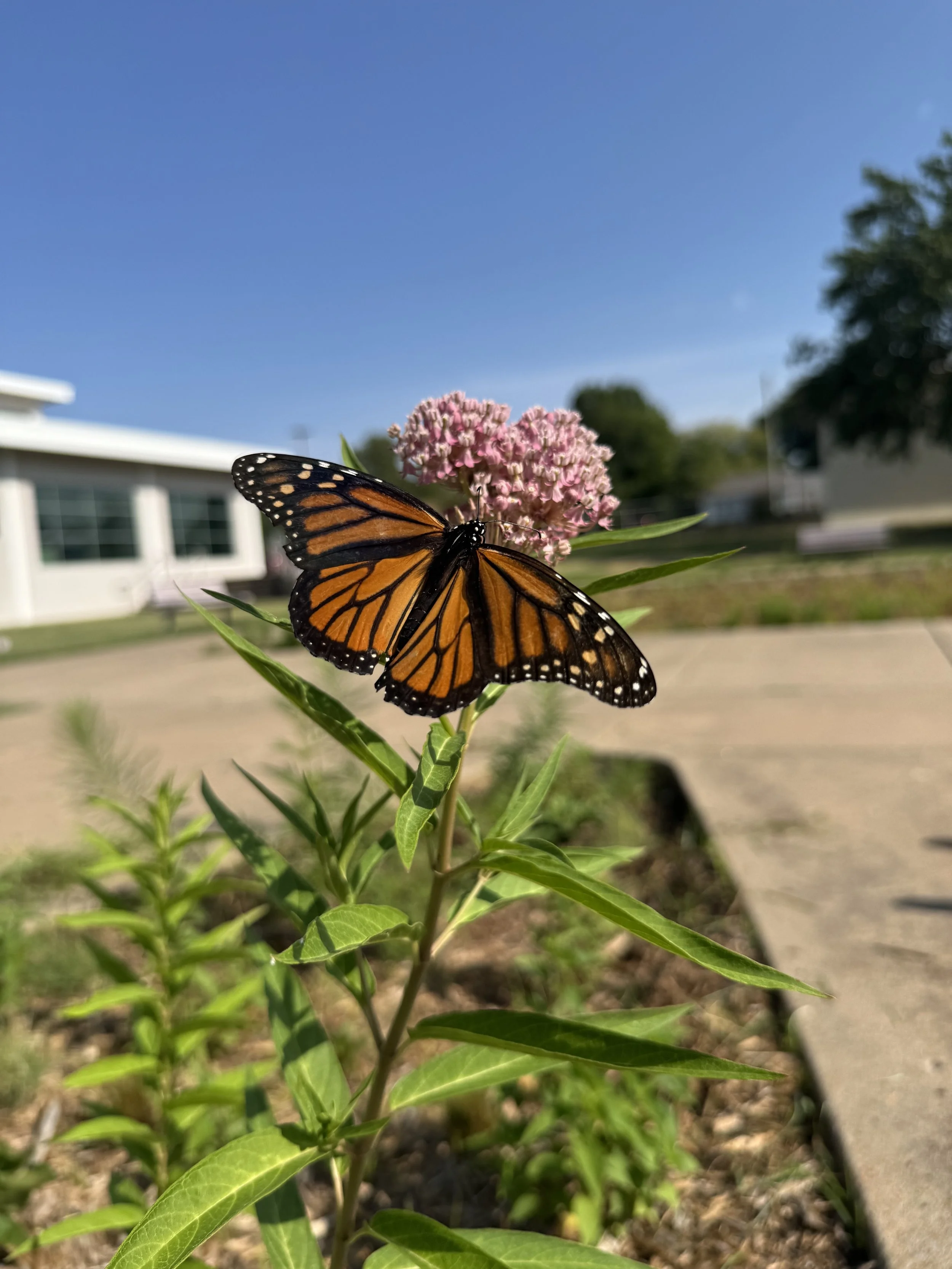
A rain garden might seem like it’s just a drop in the bucket next to the work this region needs. But for the students who put those plugs in the ground, it's the first chapter of their budding careers in land stewardship. In a year, when these plants bloom and play host to hundreds of insects and birds, our students can revisit the gardens and know they played an important role in their creation.
When purchasing plants for a garden project of any scale, it is best practice to purchase native, non-invasive plants from local nurseries. Sourcing these plants should not be finding a needle in a haystack, so here is a list of nurseries and resources to help you in your restoration journey!
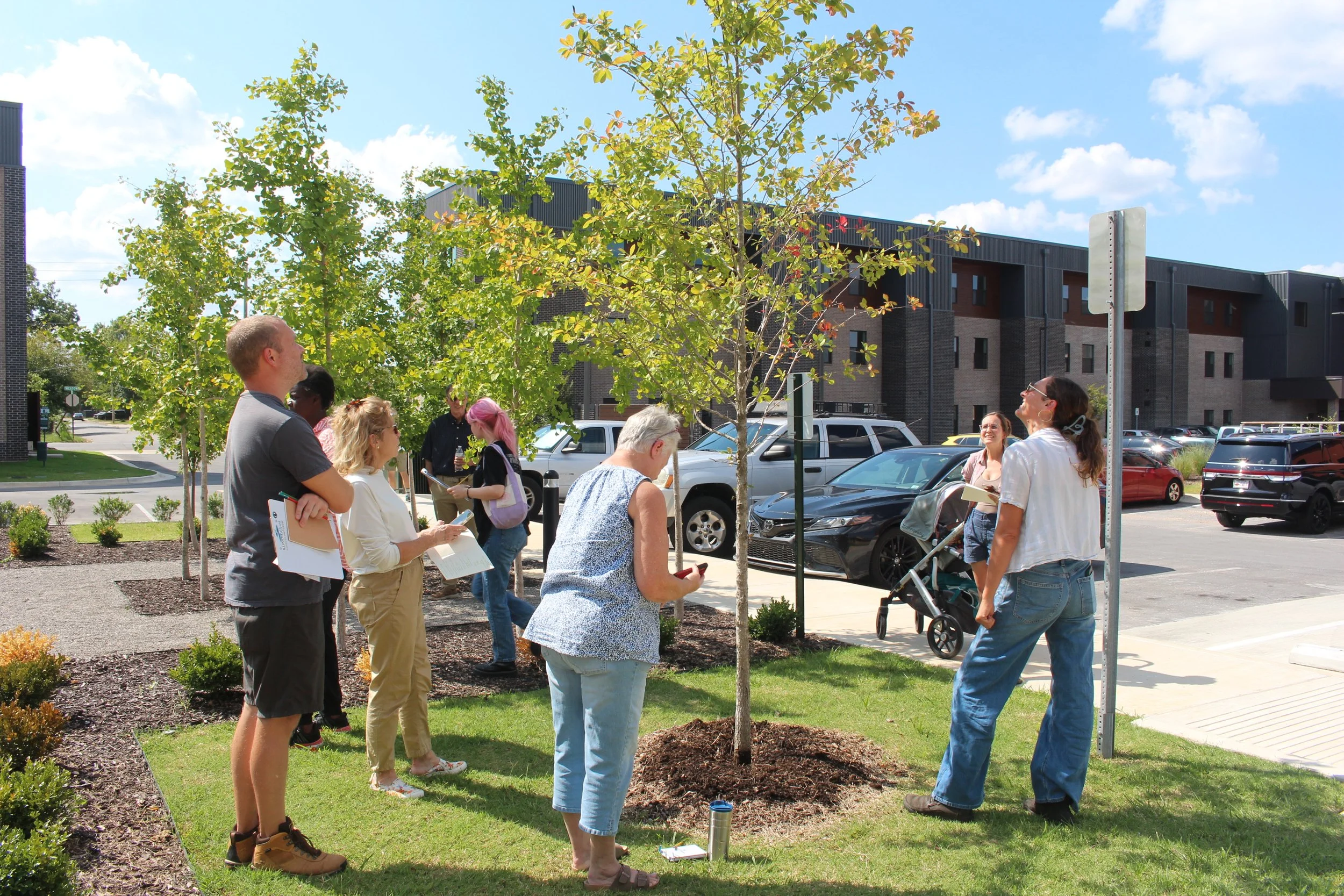
“As someone who is very interested in conservation and restoration efforts, this workshop helped fill in some missing gaps in what I’ve already learned myself… I am excited about the Conservation Training Program because while I am very interested in and passionate about the environmental field, I don’t have a degree in it. The CTP gives me a chance to not only learn valuable information in the field, but also have something to point to as evidence of that interest.”
-
Ruby McCloskey, workshop participant
Join Us!
If you're curious about a career in conservation, we'd love to have you.
Apply to participate in the Conservation Training Program, and we'll keep you posted on future workshops and educational opportunities!
