Protecting Water Quality for the Next Generation
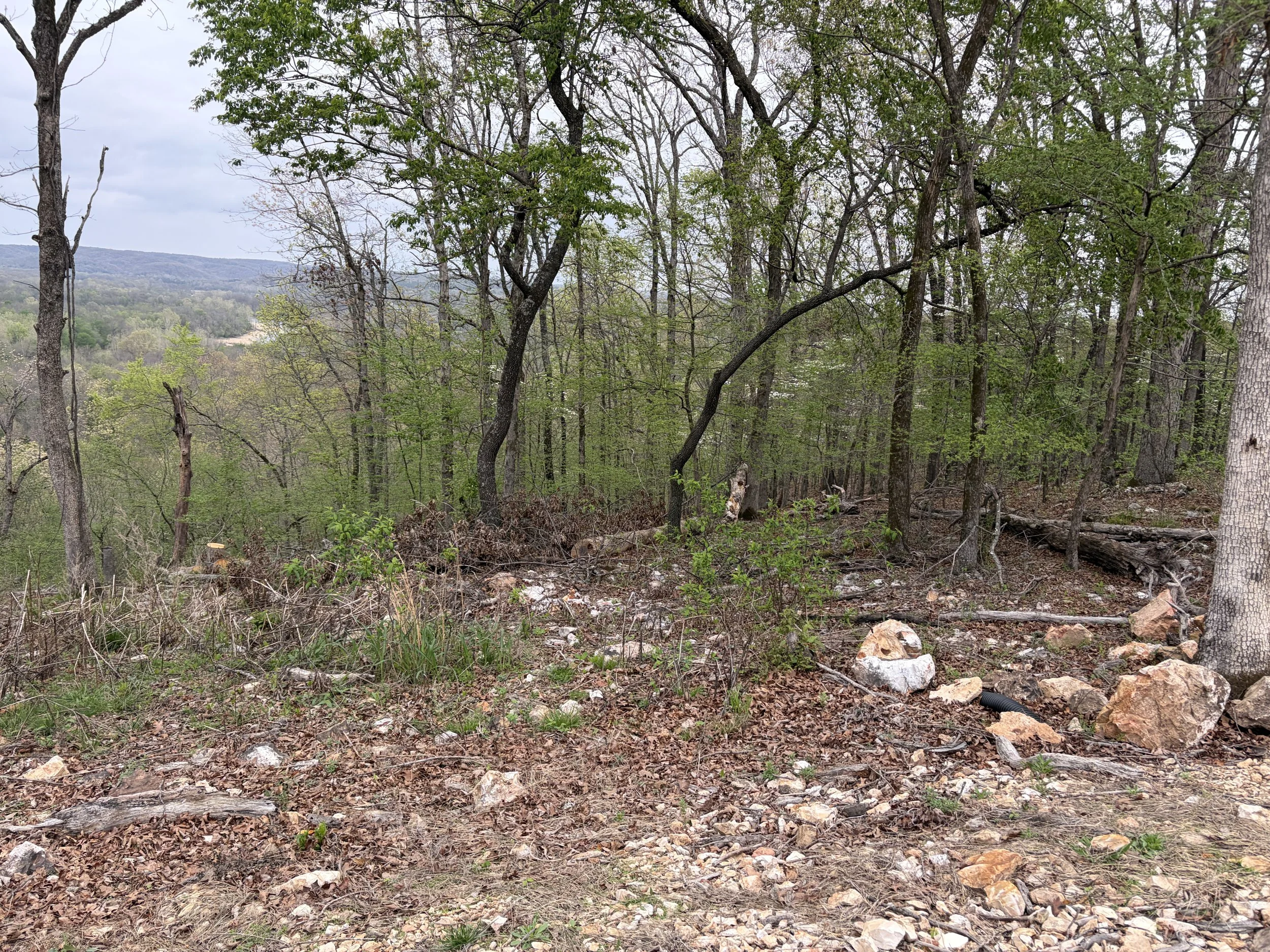
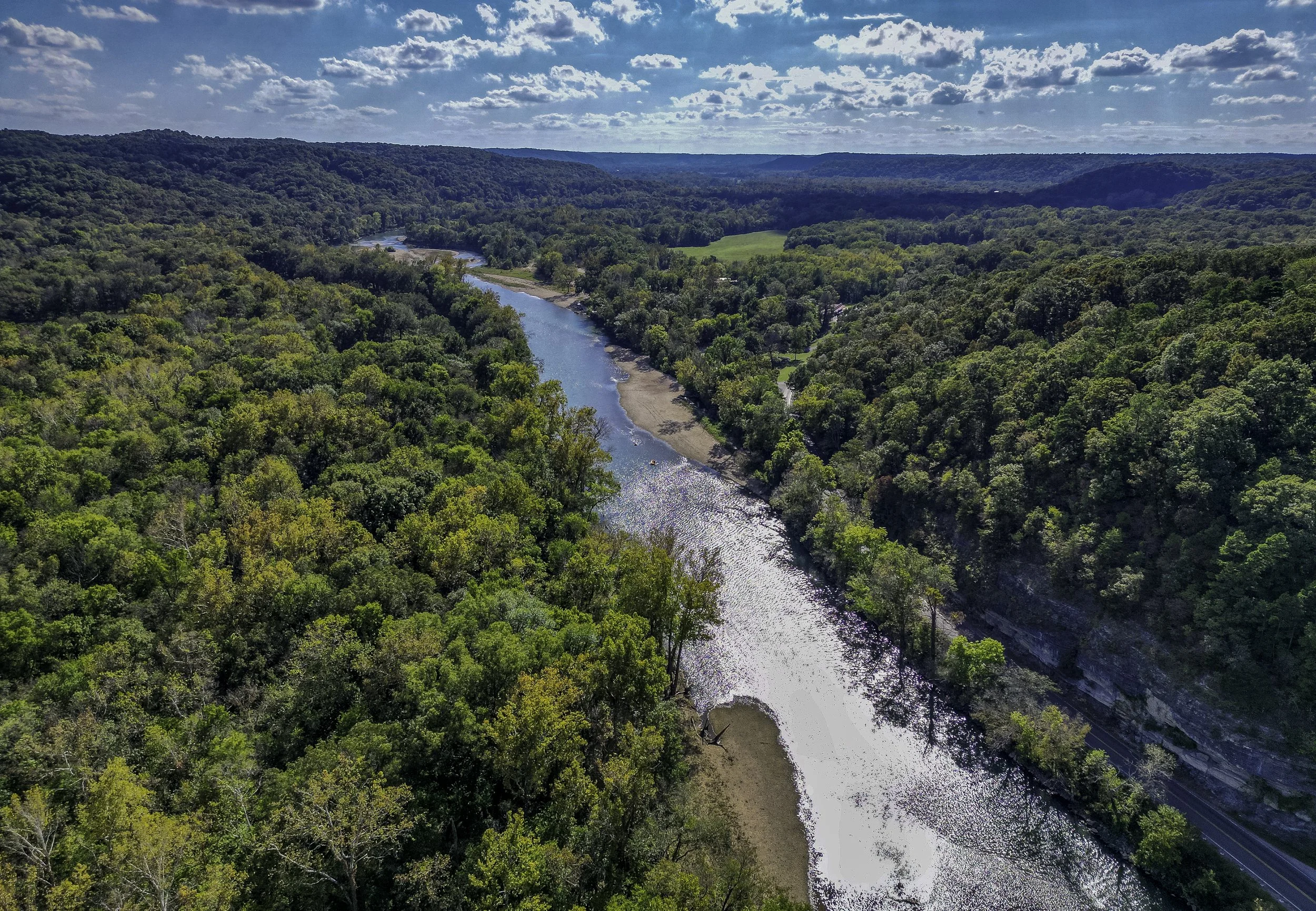
Dancing Rabbit Ridge overlooking the Illinois River.
Dancing Rabbit Ridge sits high on a bluff overlooking the Illinois River: approximately 60 acres of mostly forested land, a former hay field and two hollows that drain into the river.
Stacy Dunkin and his family had been coming to this property for years before finally purchasing it, building a cabin and using it as a getaway on weekends and holidays. They plan to move to the property full time after retirement. The Dunkins plan to manage the wooded areas for long-term forest health and resilience and to return the former hay field to native grasses and wildflowers, improving the property’s ecological value.
“I believe that almost anyone who visits the Illinois River, even once, recognizes what a special place it is and why it is worth protecting. The river’s enduring appeal is evident in the generations of families and visitors who return each year to enjoy and recreate along its banks.”
- Stacy Dunkin
“For landowners within the watershed, the connection to the river comes with a deeper responsibility. We have an opportunity to protect the river and the surrounding landscape through thoughtful conservation practices and long-term tools such as conservation easements. These efforts can safeguard the water, forests, wildlife habitat, scenic beauty, and recreational character of this place, not only for ourselves and our descendants, but for generations beyond them,” Dunkin said.
To help reach his goals, Dunkin reached out to the Illinois River Watershed Partnership to discuss a conservation plan and his goals for the property. Jeri Fleming, program director – Oklahoma, wrote his conservation plan and identified areas suitable for a conservation easement. Fleming then set up a meeting between Dunkin and Ed Fite, water quality manager for the Grand River Dam Authority (GRDA), to discuss the easement.
The meeting resulted in a conservation easement, funded by the Oklahoma Conservation Commission (OCC) and the GRDA, protecting approximately 38 acres for the next 50 years, ensuring that the Dunkins’ grandchildren will have the opportunity to grow up enjoying the native landscape and spending summers swimming in the Illinois River.
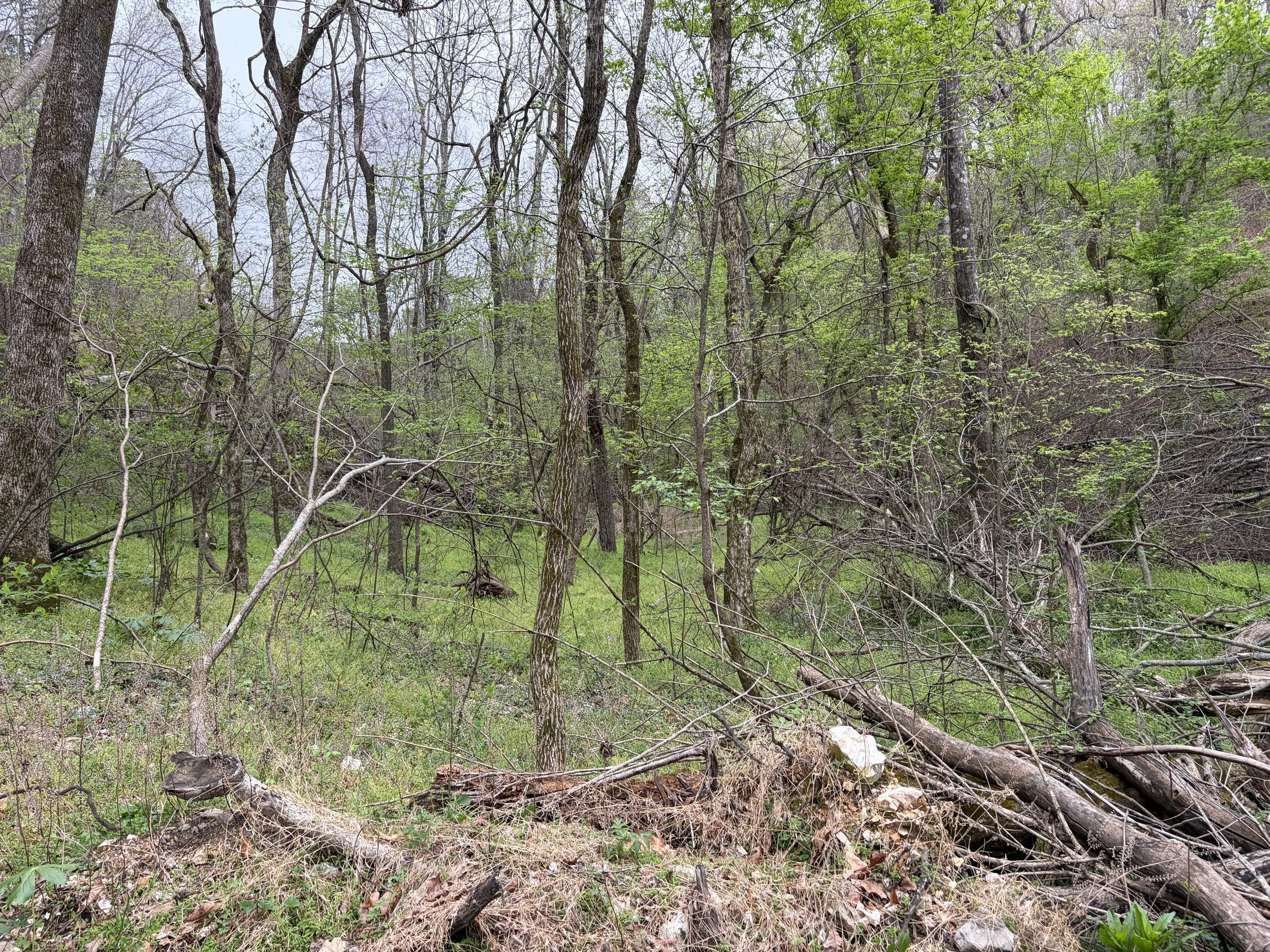
While the Dunkin property doesn’t sit on the river proper, it has two drainage areas that carry runoff from a small neighborhood, a road and agricultural land. Preserving the trees, grasses and shrubs along those channels helps treat runoff before it gets to the river.
Shanon Phillips, water quality director of the OCC, has been overseeing the conservation easement program since its inception. She said, “Protecting the river means protecting the areas alongside the perennial channel, but also areas where stormwater rushes through ephemeral channels.”
The GRDA has developed a new prioritization tool to evaluate which lands can offer the most benefit to water quality, and people have expressed interest in using conservation easements as a tool farther away from the floodplain.
The Dunkin property will be the first upland tract placed into a conservation easement. Although it lies outside the floodplain, its slope exceeds 8%, so it can transport nutrients and sediment more quickly, and high-velocity flows may increase the rate of erosion.
Because the property lies along a busy road, it will also serve as a way to educate area residents about the program, and they will be able to witness the changes. GRDA will be sending targeted letters to landowners in the watershed regarding the program, and according to Fite, the program will continue as long as funding is available.
Phillips explained that on average, each acre of streamside lands drains approximately 12 to 16 acres in the Illinois River Watershed. A healthy riparian area filters the runoff from all of them. The conservation easement requires that vegetation be allowed to grow by restricting livestock access and minimizing human activities in the easement area. That vegetation stabilizes stream banks, captures pollutants and debris during storm events, and shades the stream channel, which insulates the water and improves its quality. The naturalized corridors along streams also provide habitat and travel routes for many important wildlife species, including songbirds.
The Grand River Dam Authority holds the easements and is responsible for ensuring the landowners comply with the easement requirements. To date the two agencies have placed 2,205 acres into conservation easements throughout the watershed. The Dunkins’ property will add approximately 38 more acres to that total.
